
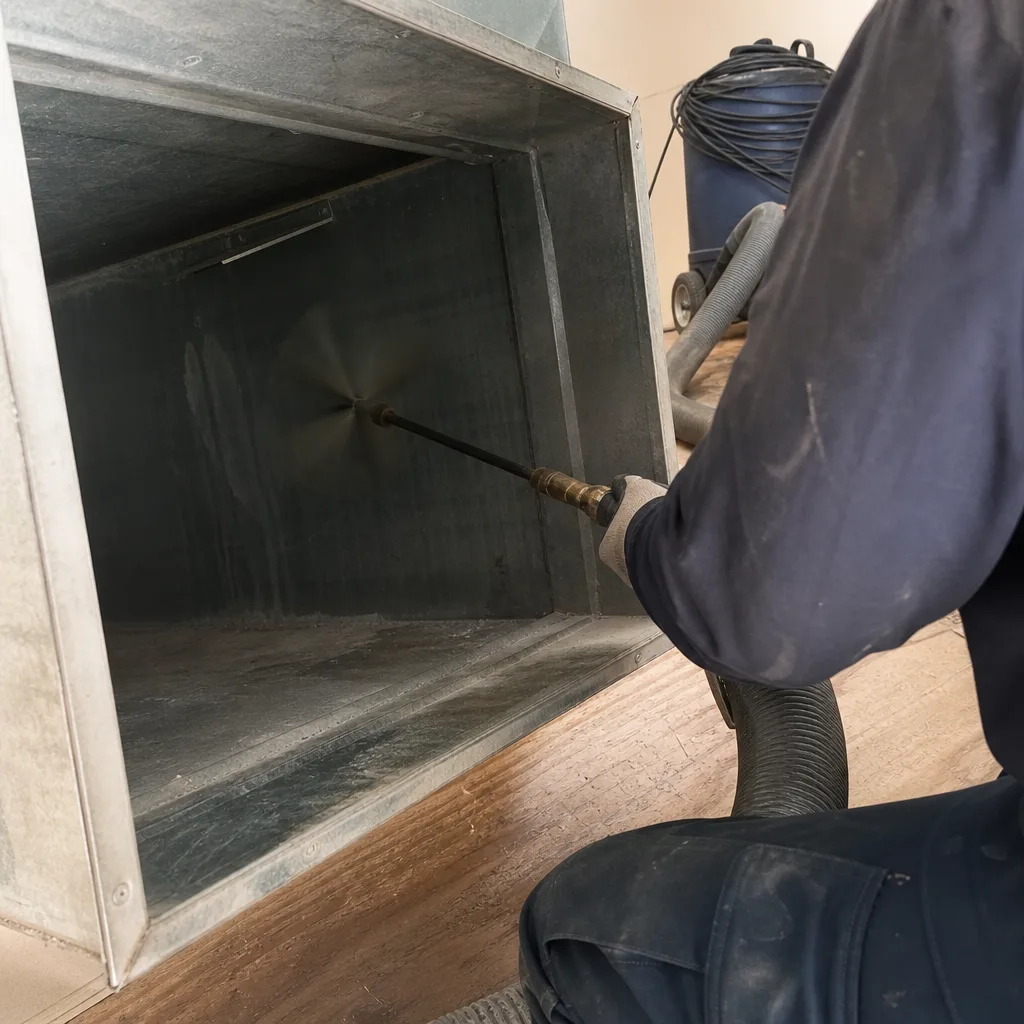
Last updated November 14, 2026
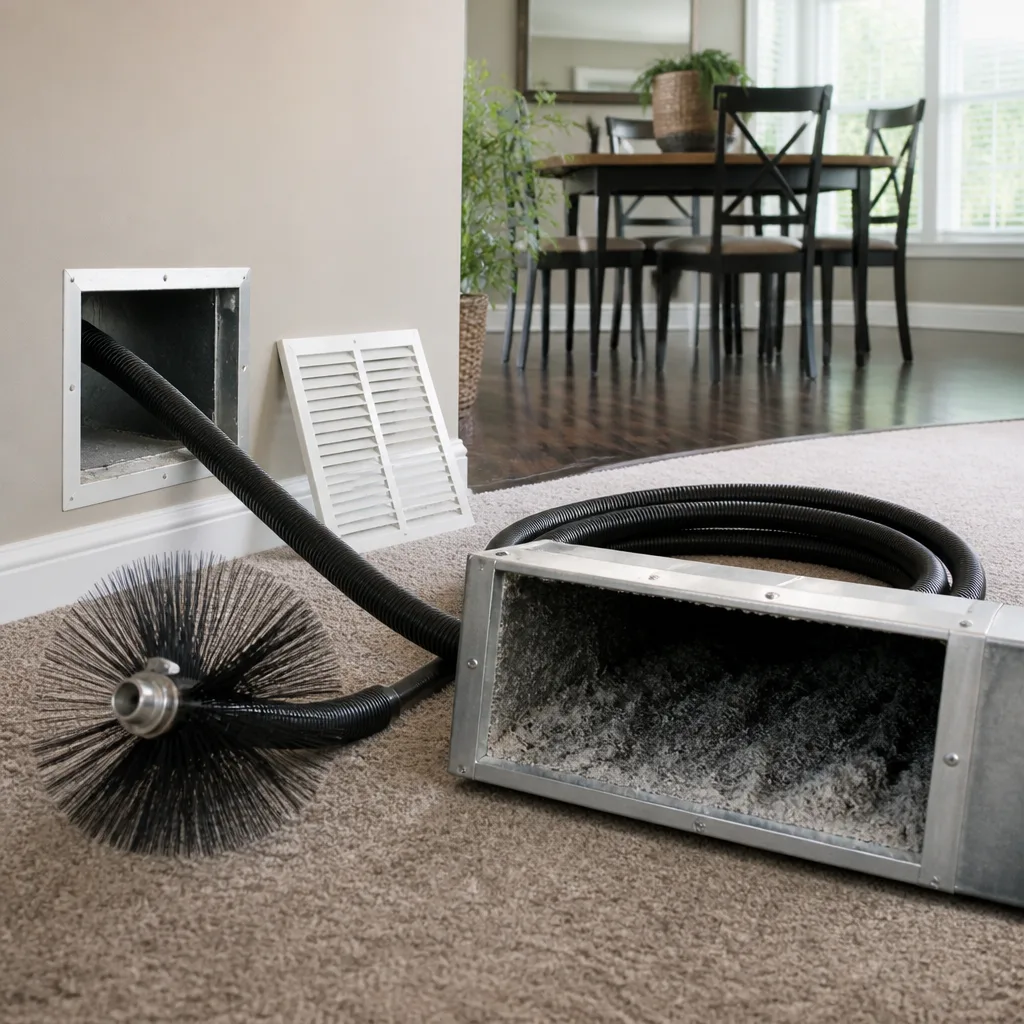 Whole-home duct cleaning
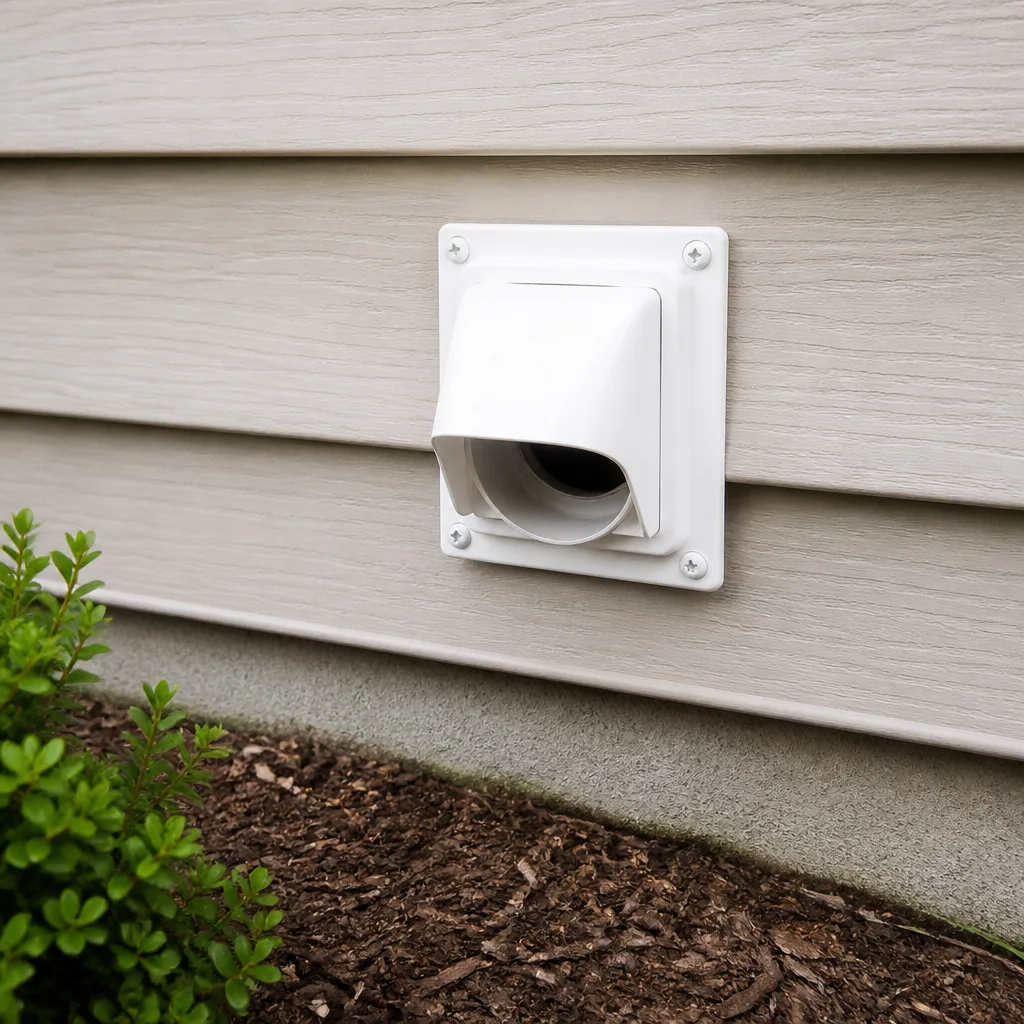 Dryer vent cleaning
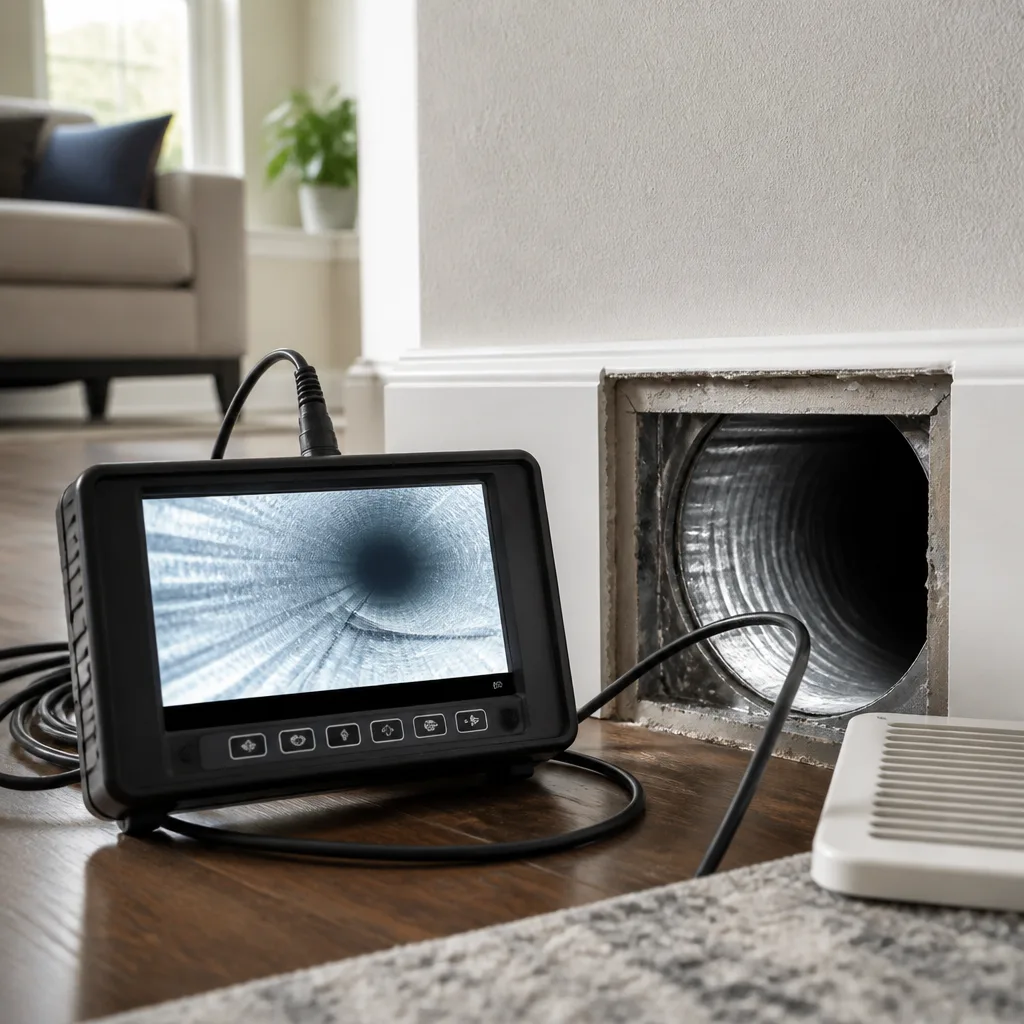 Camera inspection
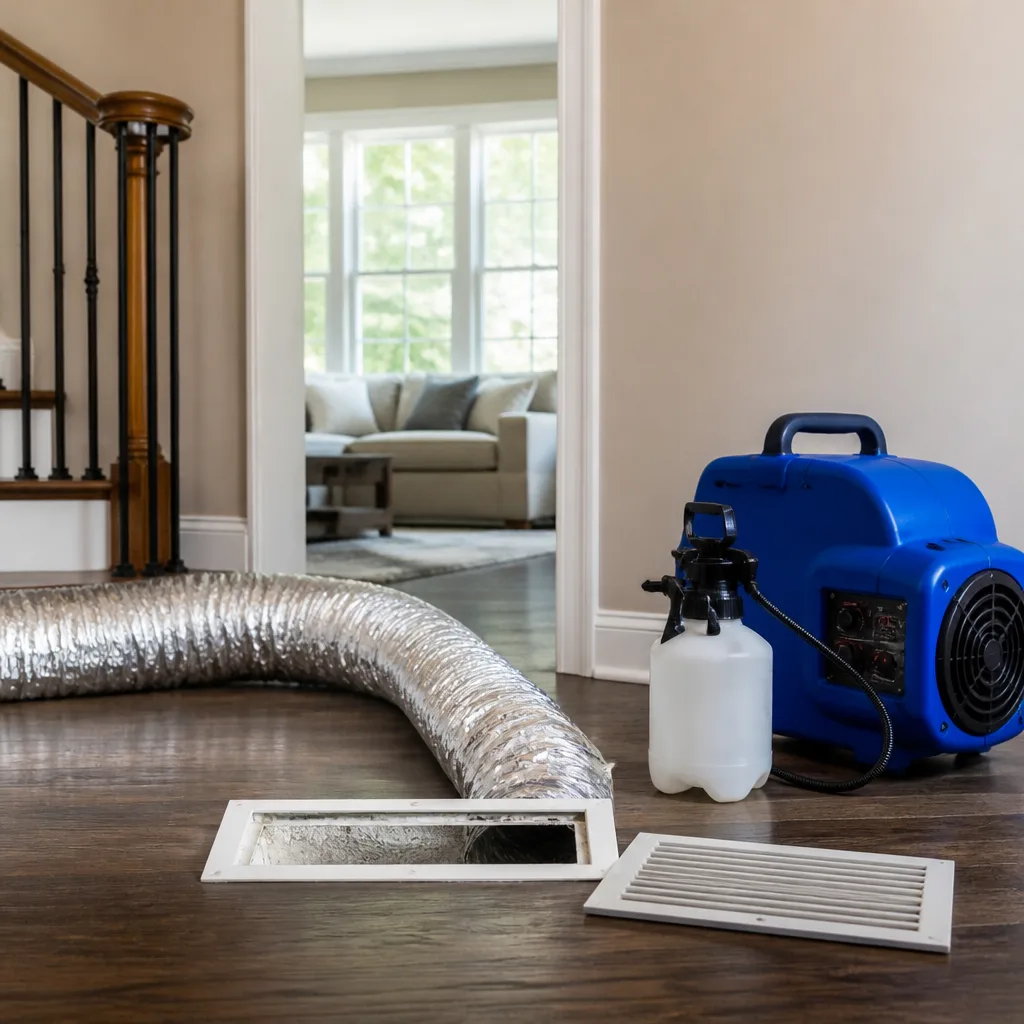 Sanitizing & deodorizing
Whole-system duct and dryer vent check with before-and-after photos - you see exactly what came out of your vents
That "$99 whole-house special" is a bait ad - the real number appears once they are in your hallway, or the "clean" is a shop-vac at the register. We photograph the inside of your ducts before and after instead.
Choosing the Right Air Duct Cleaning Brand: A Buyer’s Guide for Richmond
When a duct cleaning company tells you they use “professional equipment,” that phrase covers everything from a $300 portable vacuum to a truck-mounted HEPA collection unit that costs more than most cars. The brand name is the only way to know which one you’re getting. In Richmond, where humid summers push HVAC systems hard and older homes carry decades of accumulated dust, the gap between those two machines is the gap between a cleaner system and an empty promise. This guide walks through the equipment categories, the brand names that carry real weight, the questions that separate a specialist from a generalist, and how to verify the answers before you book.
Styles & brands we work with
- Whole-home duct cleaning
- Dryer vent cleaning
- Camera inspection
- Sanitizing & deodorizing
Quick Answer
The right air duct cleaning brand in Richmond is one that uses published, professional-grade equipment (Rotobrush, Nikro, and Abatement Technologies are the names that hold up), shows evidence of process training such as NADCA membership or ACR certification, and can repair compromised ductwork rather than only cleaning it. Marketing language tells you nothing. Equipment brands and process credentials are the two things you can verify.
Table of Contents
- The Equipment Categories That Actually Matter
- Why Truck-Mounted Vacuum Systems Outperform Portable Units
- How to Find Out What Equipment a Richmond Company Actually Uses
- NADCA Membership and ACR Certification: What They Signal
- What Equipment Investment Says About a Contractor
- Duct Repair vs. Duct Cleaning: Why the Distinction Matters
- The Dryer Vent Service Most Duct Companies Skip
- Common Mistakes to Avoid
- When to Call a Professional
- Frequently Asked Questions
- The Bottom Line
The Equipment Categories That Actually Matter
A complete duct cleaning job relies on four equipment categories working together. Miss any one of them and the result is incomplete, no matter how good the technician’s intentions are. When you evaluate a company in Richmond, ask what they use in each category.
1. Vacuum collection systems
The vacuum is the engine of the whole job. It creates negative pressure inside the duct system, which keeps dislodged debris from escaping into your living space and pulls it into a collection unit. Professional-grade systems from Rotobrush, Abatement Technologies, and Nikro are built for sustained airflow and contain multi-stage filtration. Consumer vacuums and shop-vac style workarounds cannot maintain that pressure over the length of a residential duct run.
2. Rotary agitation tools
Dust doesn’t sit loose in ductwork. It clings to the walls, and in Richmond’s humid months, it can bind to duct surfaces in a way that passive airflow won’t break. Rotary brushes and whip tools from the same professional lines spin inside the duct to mechanically loosen that layer before the vacuum pulls it away. The quality of the agitation tool determines whether the surface is genuinely cleaned or just blown around.
3. Inspection cameras
An inspection camera lets the technician see inside the ductwork before and after cleaning, and it’s also how genuine duct damage gets found. Crushed flex runs, disconnected joints, and pest intrusion show up on camera. A company without one is guessing about what’s inside your system.
4. Air filtration and containment
This is where the tier gap becomes obvious. Abatement Technologies makes negative-air and HEPA filtration equipment used in environmental remediation, where containment isn’t optional. A duct cleaning rig built around that standard holds debris capture to a higher bar than a standard residential setup. It’s the difference between a job designed to contain contaminants and one that just hopes they stay put.
Beyond the cleaning equipment itself, familiarity with indoor air quality components from Honeywell and Aprilaire matters. A technician who understands how whole-home humidifiers, filtration media, and UV systems integrate with ductwork can clean around them without disturbing what shouldn’t move.
Why Truck-Mounted Vacuum Systems Outperform Portable Units
The single biggest performance variable in duct cleaning is airflow, measured in cubic feet per minute (CFM), combined with the static pressure the machine can sustain. A truck-mounted vacuum system generates substantially higher CFM and holds stronger negative pressure across a long duct run than any portable unit. That isn’t marketing language; it’s physics, and the specifications are published.
Here’s what that difference actually does in a Richmond home:
- Maintains negative pressure throughout the job. When a machine has the CFM to keep the entire duct system under vacuum, dislodged debris has one path: into the collection unit. A weaker machine loses pressure the farther it reaches, and debris escapes into rooms.
- Reaches the far end of long runs. Richmond’s mix of older homes with long, branching duct layouts and newer construction with complex flex runs means some duct lines are far from the access point. Strong static pressure carries cleaning power to where portable units taper off.
- Cleans faster and more completely. Higher airflow means agitation tools can work at full speed without overwhelming the vacuum. The result is a full surface clean rather than a partial one.
- Handles heavy contamination without clogging. Homes after renovation, or systems that have gone a long time without service, produce heavy debris volume. Professional collection systems are built to hold that load.
Portable systems aren’t useless; a portable HEPA unit with proper filtration does a real job on light deposits. But if a company in Richmond is running entry-level portables on a heavily soiled system, they’re bringing the wrong tool to the work.
One phone call settles it. Call (855) 606-6205. We answer 24/7. Fast dispatch from 7am to 7pm, Sunday through Friday.
How to Find Out What Equipment a Richmond Company Actually Uses
Most homeowners never ask. That’s the room where vague marketing lives. Use these questions on your first call or email; the answers separate specialists from generalists fast.
- “What brand of vacuum system do you run?” A credible answer names the brand and the type (truck-mounted or portable). “We use professional equipment” alone tells you nothing. Rotobrush, Nikro, and Abatement Technologies are specific answers.
- “Is your vacuum truck-mounted or portable?” Either can be legitimate for the job. What matters is whether they know the difference and pick accordingly.
- “What filtration do you use?” Look for HEPA-rated and negative-air containment. A company that talks about multi-stage filtration and containment understands the job. One that says “we just vacuum” doesn’t.
- “Do you use an inspection camera before and after?” If the answer is no, they can’t show you what they actually accomplished. If yes, ask whether you’ll see the footage.
- “Are you NADCA members or ACR certified?” Membership and certification indicate training in a documented process standard, not just equipment ownership.
- “Do you do duct repair?” A company that only cleans will clean a broken system and leave it broken. One with repair capability can fix crushed or disconnected ductwork the camera finds.
- “Can I see before-and-after images of my system?” Specific evidence of the work done on your ducts is the cleanest confirmation you can ask for.
Notice none of these questions are about price. Price matters, but pricing built on the wrong equipment doesn’t deliver what you’re paying for. Get the equipment answer first; the pricing conversation makes more sense when you know what’s coming into your home.
NADCA Membership and ACR Certification: What They Signal
Equipment can be bought. Process standards have to be adopted. The National Air Duct Cleaners Association (NADCA) sets the assessment, cleaning, and restoration standards the industry recognizes, and ACR (Air Systems Cleaning Specialist) certification is the credential that shows a technician has been trained to those standards.
Here’s why that matters more than a brand name on a machine:
- Equipment alone doesn’t guarantee a correct job. A properly equipped contractor who skips the pre-cleaning inspection, or who cleans without establishing negative pressure correctly, can still leave the system in worse shape (or at least no better shape) than they found it.
- Standards create repeatable outcomes. NADCA’s standards describe what a complete job looks like across assessment, cleaning, and verification. A contractor working to those standards has a documented process instead of a technician’s personal habits.
- Certification signals investment in training. ACR certification requires study and testing. That kind of preparation reflects how a company treats the work itself.
NADCA membership and certification are voluntary. That’s exactly why they carry weight: a company that pursues them has chosen to be accountable to a standard. When you’re comparing bids in Richmond, a company that can name its equipment brands and point to certification is operating on a different level than one that can only point to a price.
What Equipment Investment Says About a Contractor
Truck-mounted vacuum systems and Abatement Technologies containment rigs are expensive. Their specification sheets are on the manufacturer’s website, and the numbers are not marketing; they’re engineering. That matters because a contractor who has invested in this class of equipment has made a capital commitment that only pays off if they do enough serious work to justify it.
What that commitment signals:
- They expect the work to be judged on results. A company that buys professional-grade tools has chosen the tier of the market where outcomes are visible.
- They’ve made a long-term bet on the craft. Entry-level setups get bought and abandoned; professional equipment creates an incentive to keep the work at a professional level.
- They can do the fuller scope. Equipment capable of handling heavy debris and true containment is also the equipment needed for post-renovation jobs, duct repair verification, and dryer vent work. A company with the right tools is often the company with the broader service capability.
Contrast that with the entry-level setup. A company operating consumer-grade equipment in Richmond is either working light jobs exclusively or working every job with the wrong machine. Either way, the brand name on the equipment told you the answer before you asked another question.
Duct Repair vs. Duct Cleaning: Why the Distinction Matters
Cleaning removes debris. Repair fixes the reason the system is failing. They’re different jobs with different equipment and different skills, and plenty of duct cleaning companies in Richmond do only the first one.
Common duct problems that cleaning alone will not fix:
- Crushed or collapsed flex duct runs, usually from improper installation or a heavy object laid across the line
- Disconnected joints, gaps at registers, and joints sealed only with leaky tape
- Damaged or missing dampers inside the run
- Pest intrusion and the resulting pest-damaged duct sections
When an inspection camera identifies any of these, the system needs more than a clean. A company with dedicated air duct repair capability can diagnose the problem, show you what they found, and explain what repair involves. A company that only cleans will tell you everything looks fine and move on.
This is why the question “do you do repair?” belongs on your first call. It’s not about pushing you toward a bigger job; it’s about whether the company you hire can actually address what an inspection finds. In Richmond’s older housing stock, where ductwork has been modified, extended, or patched over decades, repair capability matters.
The Dryer Vent Service Most Duct Companies Skip
If the brand list and the repair capability both check out, there’s one more area worth asking about: the dryer vent. Lint accumulation in the dryer vent is a fire-safety concern that a lot of duct cleaning companies either don’t address or treat as an afterthought.
Signs the vent needs professional attention:
- Dryer cycles taking noticeably longer than they used to, sometimes needing a second run to finish the load
- The dryer or the outside vent hood feeling unusually hot during or after a cycle
- A burning or scorched smell near the dryer
- Visible lint accumulating around the vent hood outside, or the flapper door not opening fully
- Lint visible behind the dryer where the vent connects
A dedicated dryer vent service cleans the full run from the dryer connection to the outside termination, which is the only way to clear the entire length. It’s a smaller job than duct cleaning, but the equipment and technique are related, and a company already set up for professional duct work is the right company to handle it. When you’re evaluating someone for duct cleaning in Richmond, ask whether dryer vent work is part of what they do. It’s a useful signal about the breadth and seriousness of their operation.
Common Mistakes to Avoid
- Accepting “professional equipment” as an answer. That phrase has no defined meaning. Ask for the brand name and the mount type (truck or portable). If they can’t name it, that’s the answer.
- Hiring on price alone in a Richmond market with wide bid variance. The lowest quote often reflects the lightest equipment and shortest process. A cheap clean that’s done incompletely means a repeat job later.
- Assuming a general HVAC contractor is a duct cleaning specialist. Some HVAC companies offer duct cleaning as a service line, but their equipment is often built for installation and service work, not for full-system cleaning and containment.
- Not asking about repair. If the inspection camera shows crushed or disconnected duct runs, a cleaning-only company will clean around the problem and leave the system leaking. Ask about repair capability before booking.
- Skipping the before-and-after evidence. Before-and-after images of your own system are the cleanest way to verify the work. Companies that take them take the work seriously. Ask in advance.
- Forgetting the dryer vent. The dryer vent is part of the air-handling picture, and lint buildup in it is a genuine fire risk. If the company you hire doesn’t handle it, get it on someone’s schedule.
- Not asking about credentialing. NADCA membership and ACR certification are voluntary. A company that has pursued them has chosen to meet a process standard rather than just owning equipment. It’s a question worth asking, and credible companies will answer it directly.
When to Call a Professional
The right time to call a duct cleaning specialist in Richmond is when there’s a specific reason to, not just because the calendar says so. Solid reasons to book a professional: you can see visible dust blowing from the registers after the system starts, you’ve recently finished a renovation that generated heavy dust, an HVAC inspection flagged the ductwork or airflow readings, household allergies have gotten noticeably worse indoors, or the ductwork has never been professionally cleaned and you don’t know its history. If the system has run through a long stretch of Richmond’s humid summer and the indoor air has that musty, heavy quality, that’s another reason to bring in a professional with proper equipment.
Rutherford Air Duct Cleaning offers free estimates in Richmond. Call (855) 606-6205. We answer 24/7. Fast dispatch from 7am to 7pm, Sunday through Friday. Our technicians have up to 9 years of experience, and we’re glad to walk you through the equipment we use and the process before anything happens.
For a fuller picture of what the service covers, see air duct cleaning and the dedicated dryer vent cleaning service.
Frequently Asked Questions
The right answer depends on the equipment and credentials, not the marketing. The best choice is a company that uses professional-grade equipment from a verifiable brand like Rotobrush, Nikro, or Abatement Technologies, holds NADCA membership or ACR certification, uses before-and-after inspection, and can repair ductwork when the camera finds a problem. Ask those four questions and you’ll know what you’re looking at. Call us at (855) 606-6205 if you’d like us to walk you through ours.
Ask directly and expect a specific answer: brand name plus whether the system is truck-mounted or portable. Credible companies will name their equipment and explain the filtration. If the answer is “professional-grade” with no brand, that’s an incomplete answer and worth pressing on. A company that uses Rotobrush, Nikro, or Abatement Technologies equipment should be able to say so.
Yes, meaningfully. Truck-mounted vacuum systems generate higher airflow and maintain stronger negative pressure across the full length of a residential duct run than portable units, which is what keeps dislodged debris from escaping into your rooms. Portable HEPA units with proper filtration can do real work on light deposits, but heavier contamination needs the higher-performance system. The specifications are published; the CFM and static-pressure numbers explain the gap.
ACR stands for Air Systems Cleaning Specialist, a certification that shows a technician has been trained to the assessment, cleaning, and restoration standards recognized across the industry. Equipment alone doesn’t guarantee a correct job; the trained process is what produces a consistent result. NADCA membership works the same way. Both are voluntary, which is exactly why they’re useful signals.
Lower quotes generally reflect lighter equipment, a shorter process, or both. A cheap cleaning done with entry-level equipment can leave the system only partially cleaned, which means you may need to do it again sooner. The real cost comparison isn’t the quote; it’s the job done once, properly. Call (855) 606-6205 for a written estimate based on what your system actually needs.
Some can and some can’t. A company with dedicated air duct repair capability can diagnose crushed, disconnected, or pest-damaged runs found during inspection and repair them. A cleaning-only company will typically clean around the damage and leave it. Ask about repair capability up front if the system has any history of airflow problems or recent renovation. Call us at (855) 606-6205 for a free estimate, and we’ll let you know what we find.
The Bottom Line
Equipment brands are the most reliable proxy for duct cleaning quality you have, because the specs are published and the marketing claims aren’t. The standard to look for in Richmond is professional-grade equipment from a name you can verify (Rotobrush, Nikro, Abatement Technologies), truck-mounted collection where the job calls for it, HEPA containment, inspection cameras, and before-and-after evidence. Layer on the process side: NADCA membership or ACR certification, and a company that can repair ductwork rather than only clean it. And don’t lose sight of the dryer vent, which is its own fire-safety question and worth asking about. Ask the questions, get the brand names, and you’ll book the right company.
Rutherford Air Duct Cleaning is ready to walk you through our equipment and our process. For more on our services, visit Rutherford Air Duct Cleaning or our Richmond page. Call (855) 606-6205 for a free estimate. We answer 24/7. Fast dispatch from 7am to 7pm, Sunday through Friday. The written estimate sets the final price.
Written by the team at Rutherford Air Duct Cleaning.
See the difference
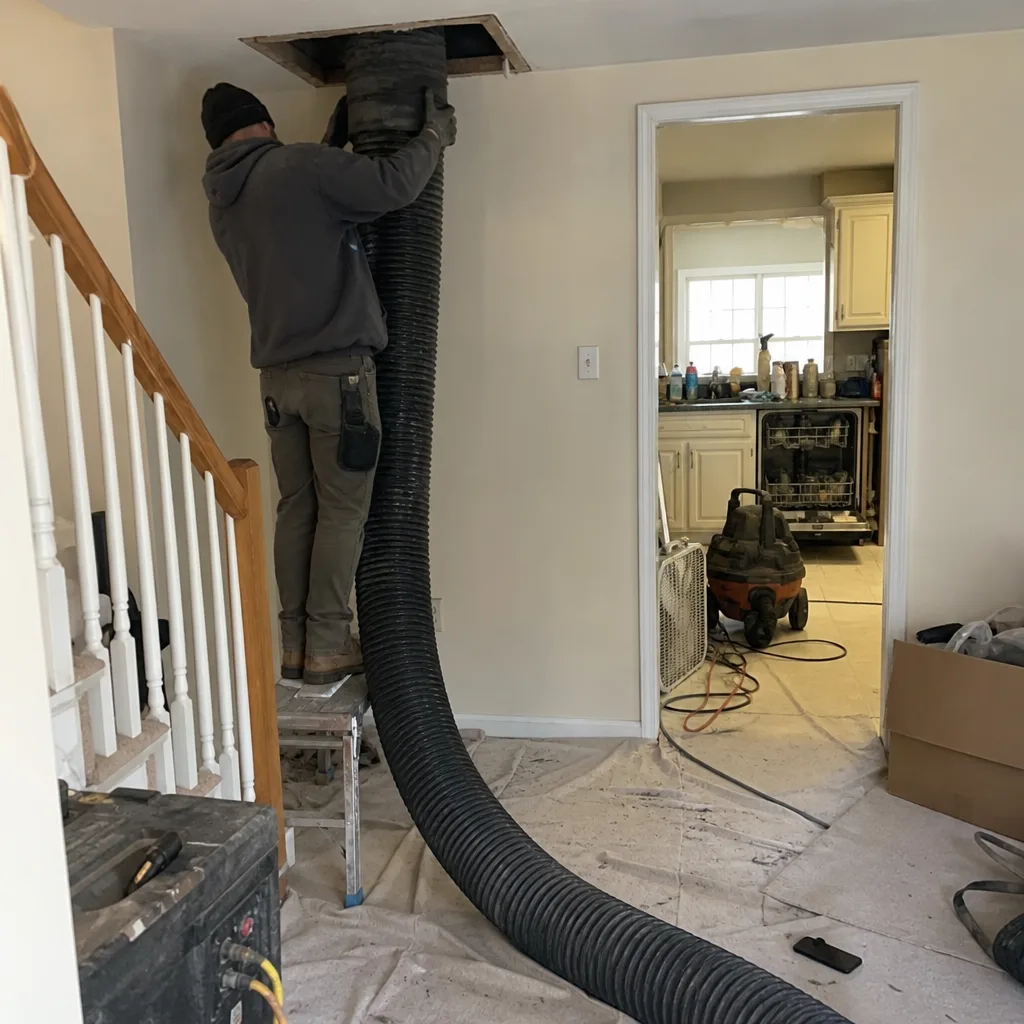 Before
 After
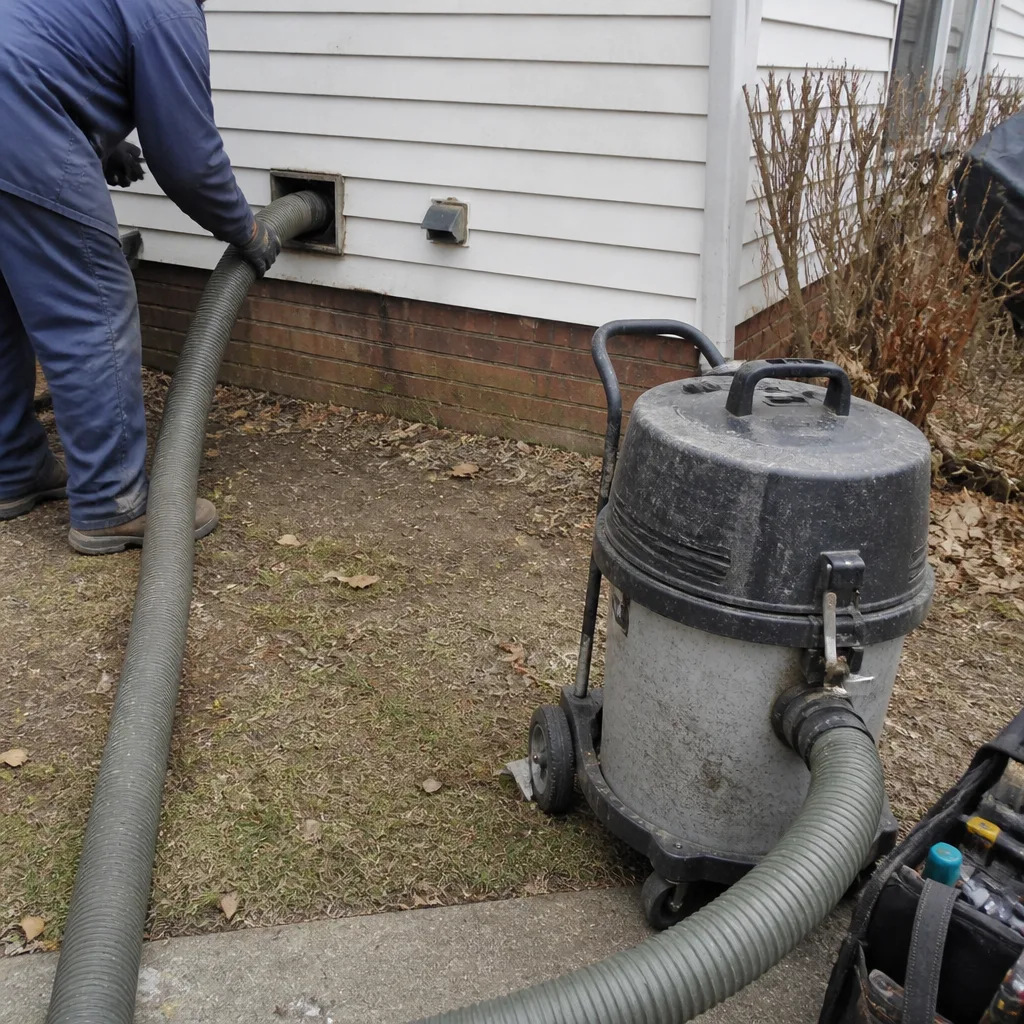 Before
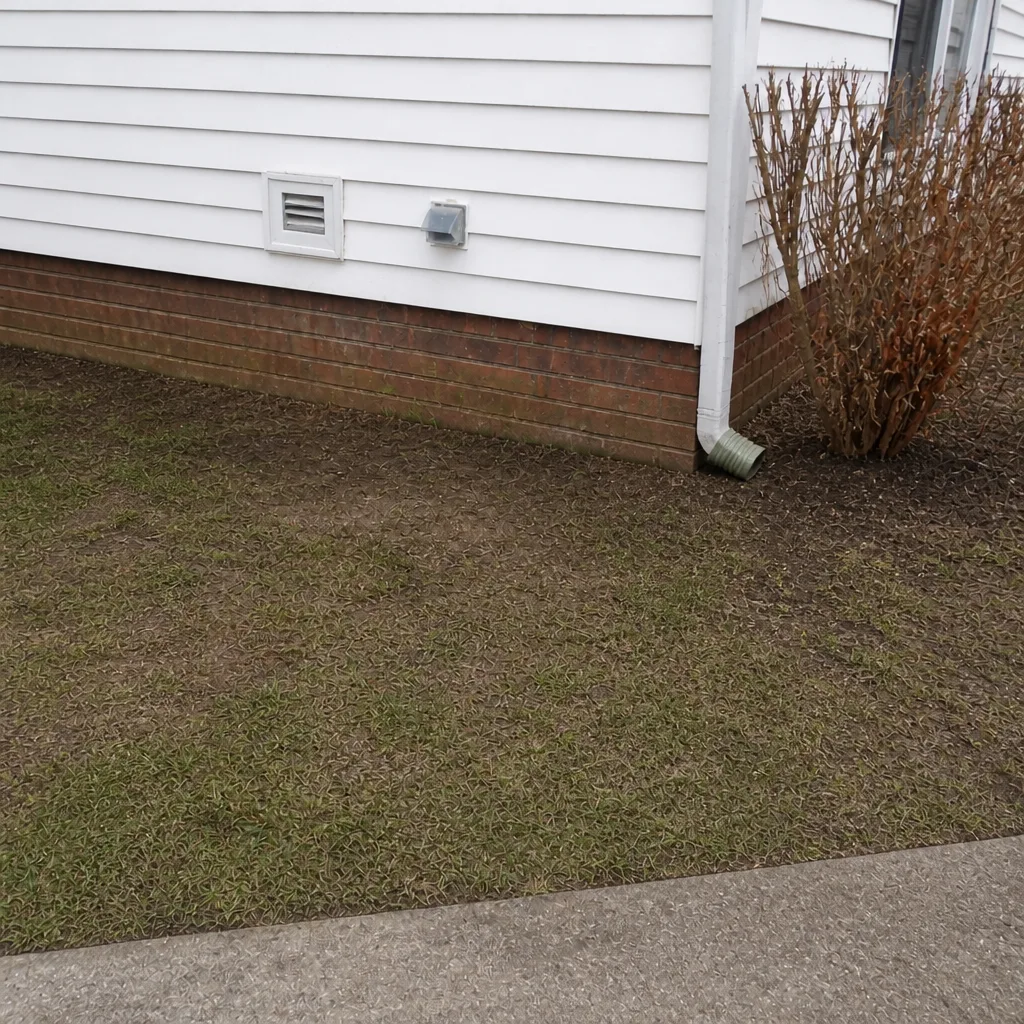 After
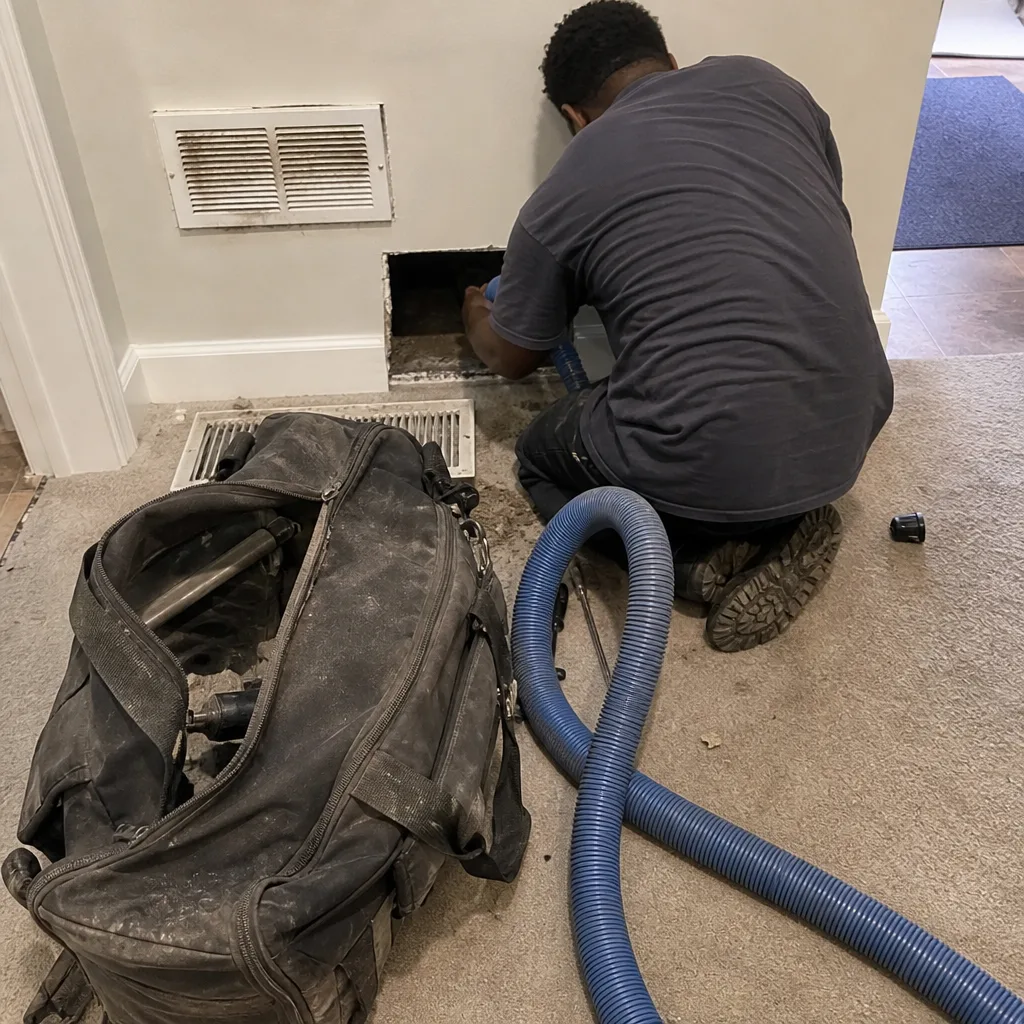 Before
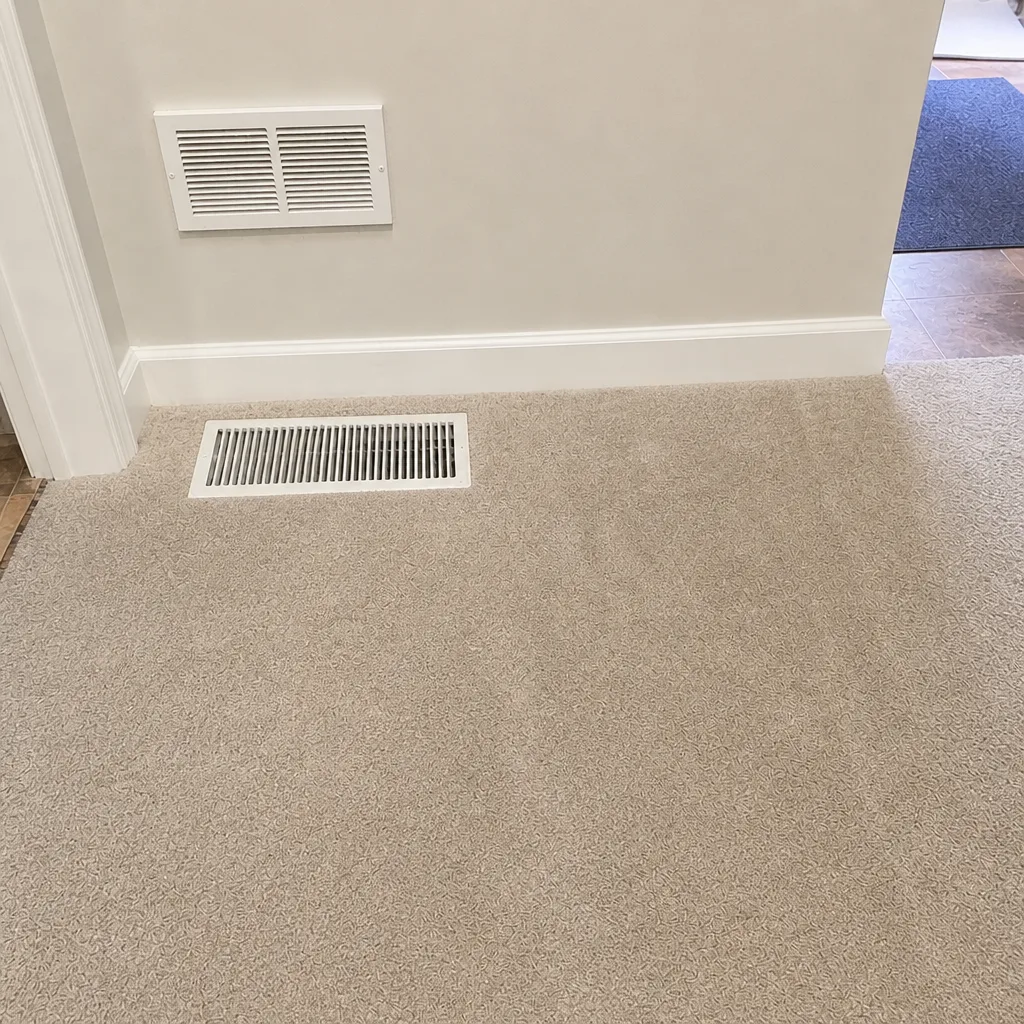 After