
Last updated November 14, 2026
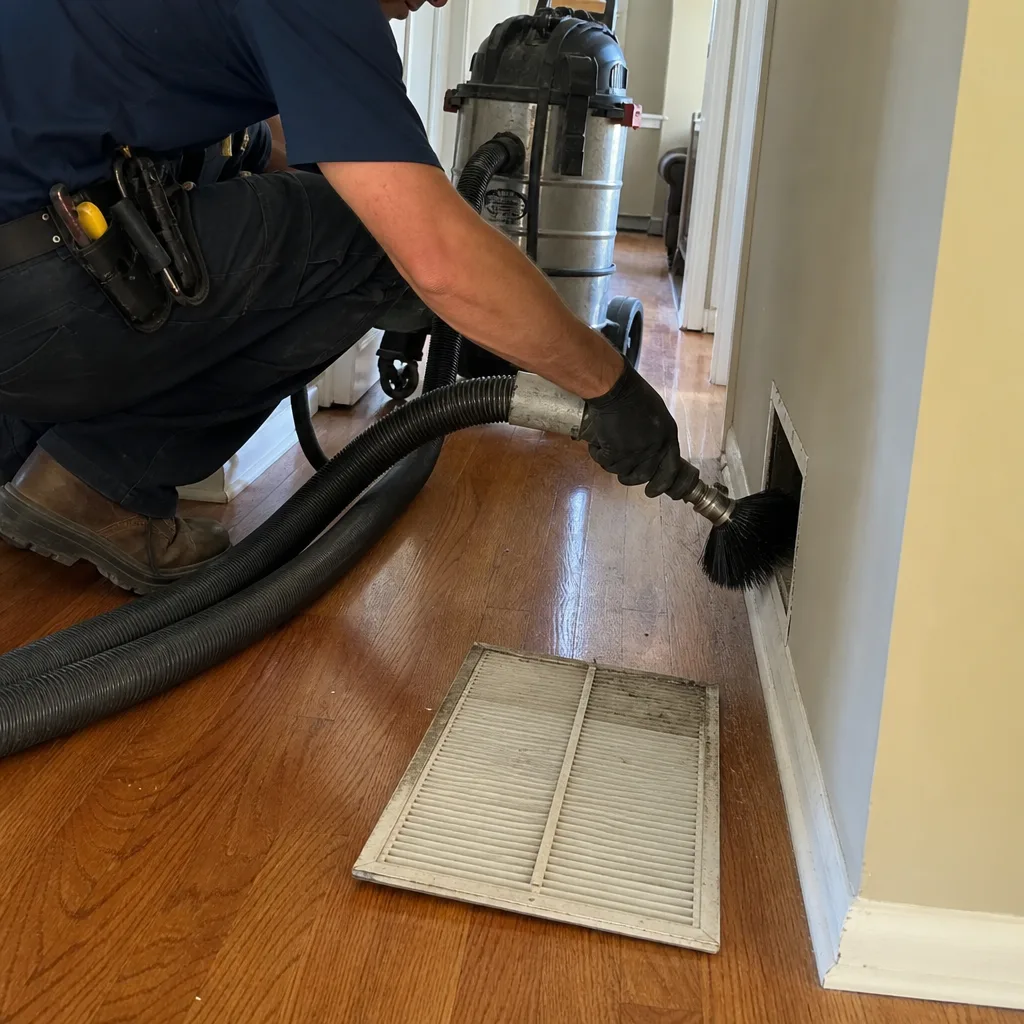
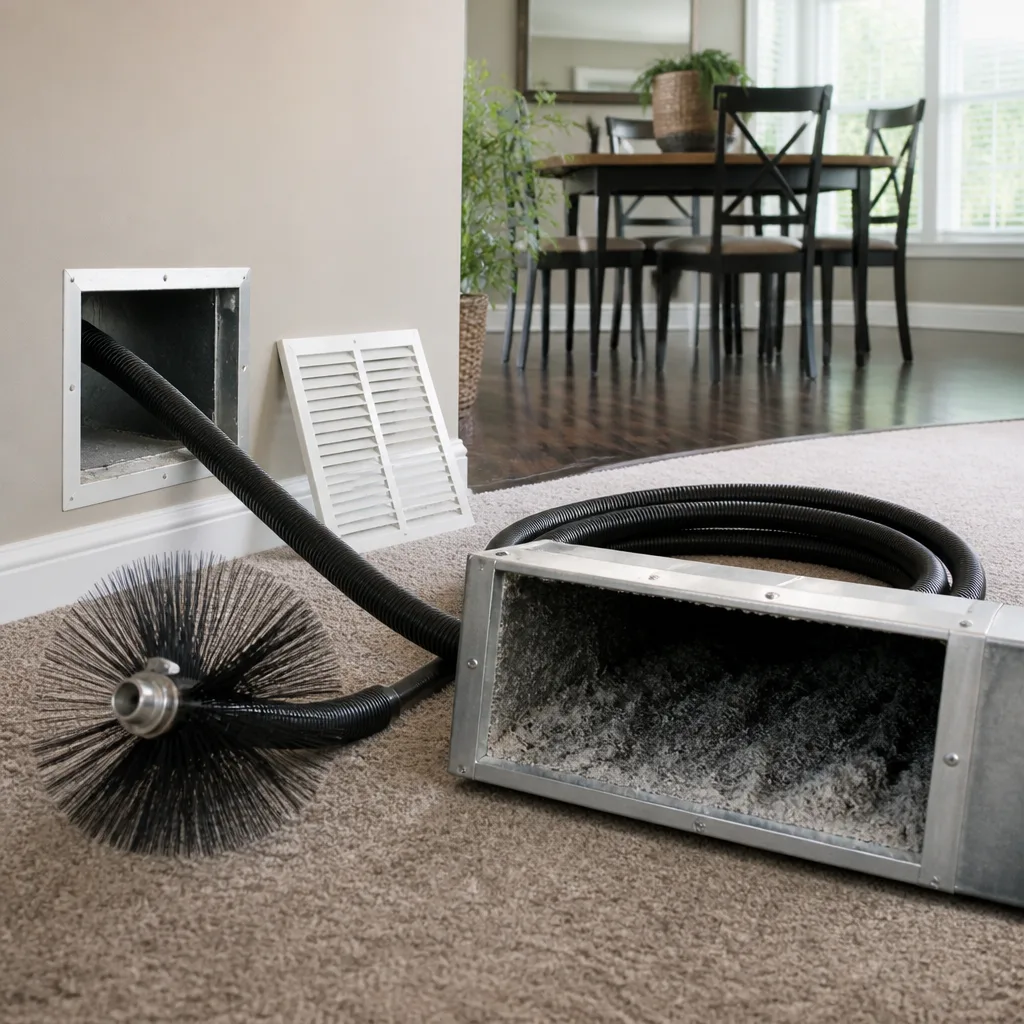 Whole-home duct cleaning
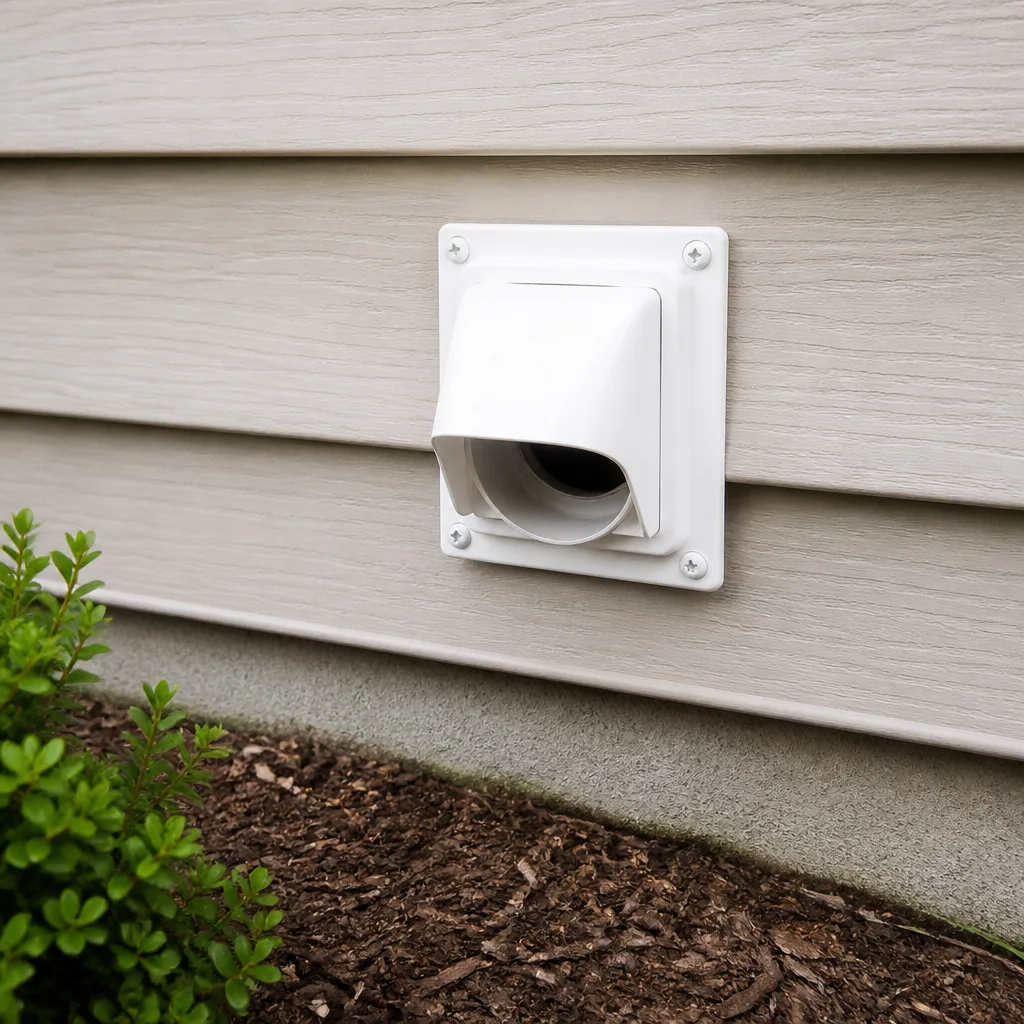 Dryer vent cleaning
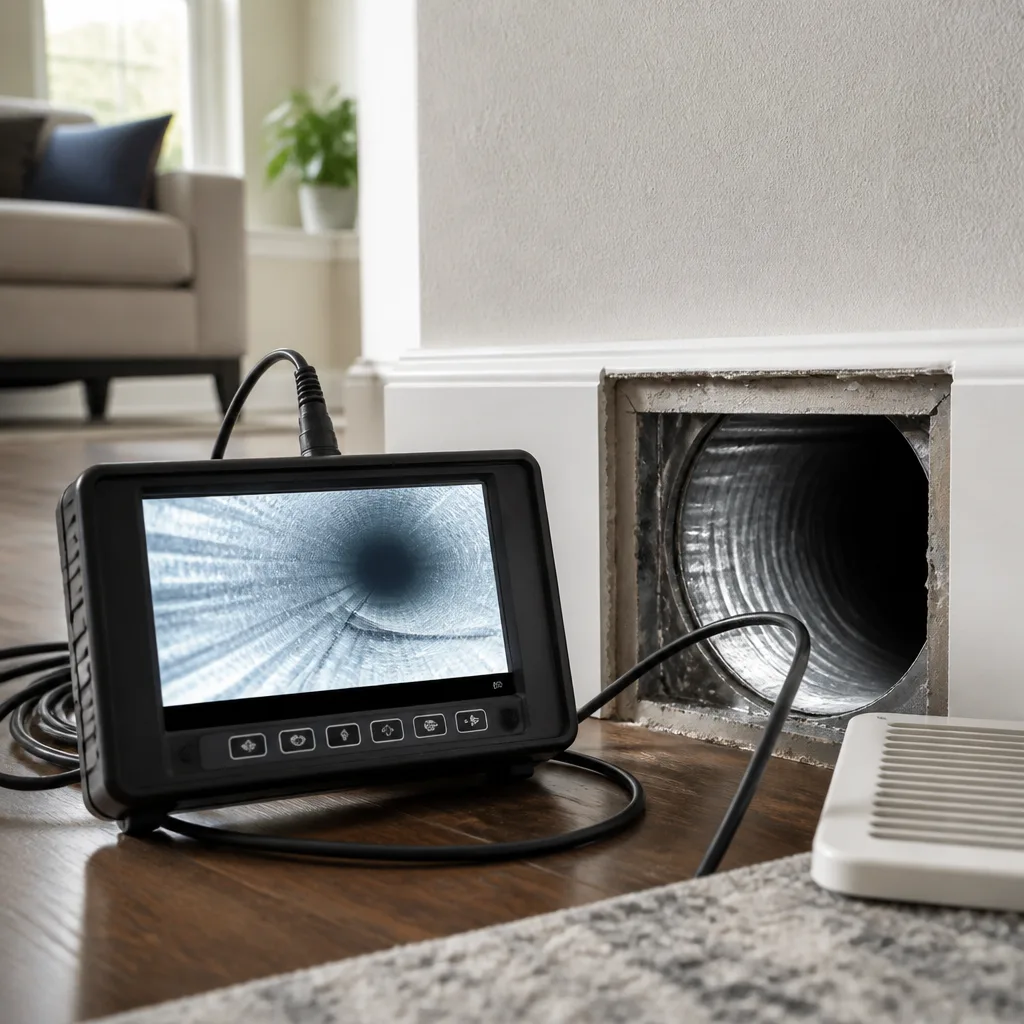 Camera inspection
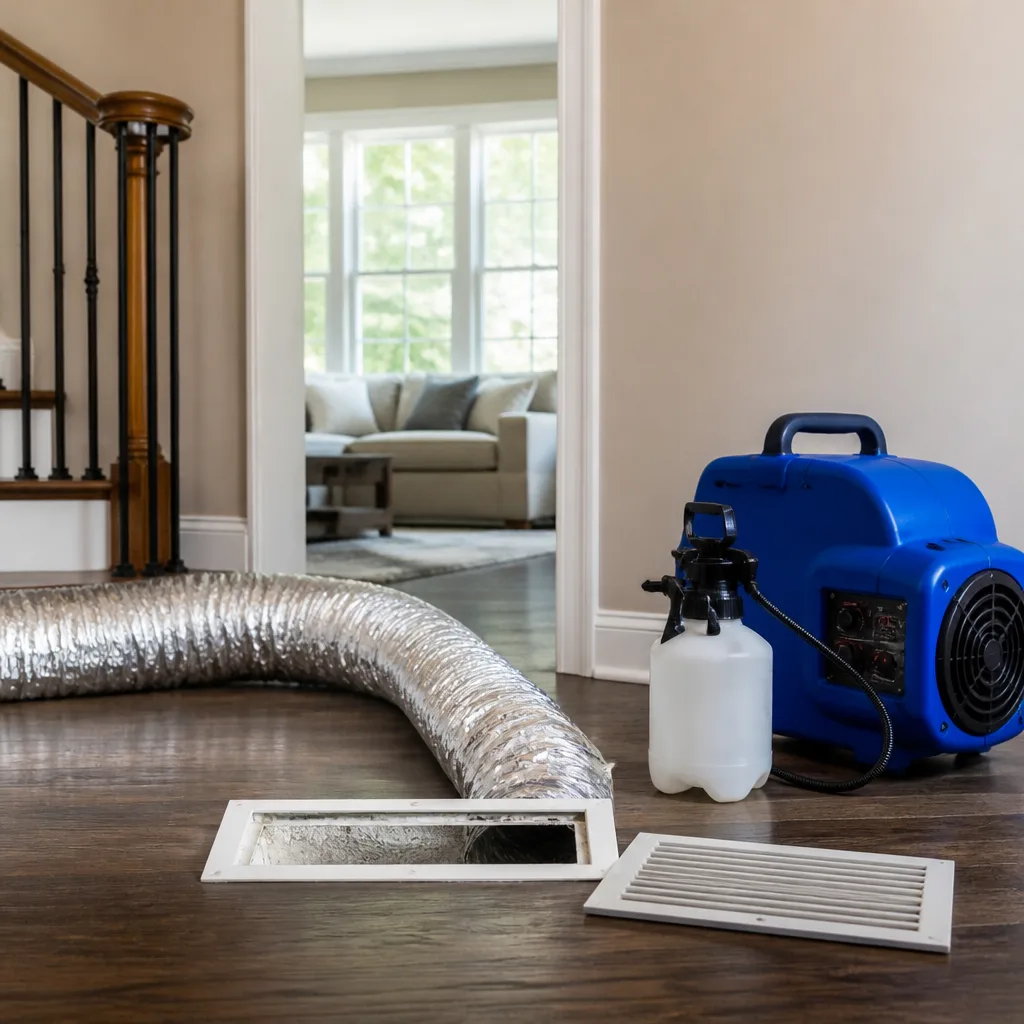 Sanitizing & deodorizing
Whole-system duct and dryer vent check with before-and-after photos - you see exactly what came out of your vents
That "$99 whole-house special" is a bait ad - the real number appears once they are in your hallway, or the "clean" is a shop-vac at the register. We photograph the inside of your ducts before and after instead.
The Complete Guide to Air Duct Cleaning in Richmond
Most air duct cleaning advice you’ll read online was written for a house in a neutral climate. Richmond doesn’t have a neutral climate. Spring here ranks among the ten worst in the country for pollen, summers sit heavy and humid for months, and much of the city’s housing stock predates modern HVAC by a century or more. That combination produces duct contamination patterns you won’t find in a generic national guide. This guide treats Richmond as its own case: what actually accumulates in local ductwork, why the geometry of older homes matters, what a real full-process cleaning looks like from setup to completion report, and how to tell whether the job you paid for was a genuine source-removal clean or a surface pass with a shop vac.
Quick Answer
Air duct cleaning in Richmond means removing accumulated dust, pollen, debris, and in humid months biological growth from the entire duct system using source-removal methods under negative pressure, not just vacuuming the visible registers. A proper job includes containment, mechanical agitation of every branch line, HEPA filtration, and a written completion report with before-and-after evidence. Typical whole-system pricing in the Richmond market runs roughly $350 to $900 depending on system size, accessibility, and how much contamination is present, with the final price set by a written estimate before any work begins.
Styles & brands we work with
- Whole-home duct cleaning
- Dryer vent cleaning
- Camera inspection
- Sanitizing & deodorizing
Table of Contents
- Why Richmond’s Climate Changes What’s in Your Ducts
- How Richmond’s Older Housing Stock Affects Duct Cleaning
- What a Full-Process Cleaning Actually Involves
- Source-Removal Cleaning vs. Contact-Vacuum Methods
- How to Read a Job Completion Report
- What Air Duct Cleaning Costs in Richmond
- How Often Ducts Really Need Cleaning
- Dryer Vent Cleaning: The Safety Side of the Same Job
Why Richmond’s Climate Changes What’s in Your Ducts
Richmond’s spring pollen load is exceptional, and its summer humidity is relentless. Those two facts do most of the work in determining what ends up inside your ductwork, and they interact in ways that a drier climate simply doesn’t produce.
From late February through May, tree and grass pollen coats every exterior surface in the region. A return-air system pulls that pollen indoors continuously. Much of it settles inside the return plenum and the first several feet of trunk duct, where it becomes a food source for dust mites and a base layer for everything that follows. Homes in Richmond that run their systems through spring without a quality filter change interval tend to show a distinct pollen-and-dust layer in the return side by early summer.
Then the humidity arrives. Richmond summers routinely hold relative humidity in the 70s and higher for weeks. Inside a sealed duct system, that’s normally not a problem, because conditioned air keeps things dry. The problem is the duct systems that aren’t sealed. Leaky returns in unconditioned attic space pull in hot, moisture-laden air. Flex duct with a torn jacket, disconnected joints behind drywall, or an oversized system running short cycles can all leave interior duct surfaces damp long enough for mold colonization to begin. That is a different pattern from what you’d see in Phoenix or Denver, where the dominant issue is dry dust and debris load. In Richmond, we look specifically for moisture indicators on flex duct interior surfaces and at connections near unconditioned space.
What this means practically:
- Richmond homes often need cleaning on a shorter interval than the national “every three to five years” rule of thumb suggests, particularly when allergies are the driver.
- Moisture inspection matters as much as debris removal here. A cleaning that ignores damp flex duct leaves the underlying problem in place.
- Return-side and supply-side contamination can look very different. The return side usually carries the heavier pollen and dust layer; the supply side shows what has made it through.
For a closer look at how we approach air duct cleaning in this climate specifically, the process section below covers the mechanics.
How Richmond’s Older Housing Stock Affects Duct Cleaning
The Fan, Church Hill, and much of the surrounding older neighborhoods present duct geometry you won’t find in a 1990s subdivision. Pre-Civil War row houses and mid-century homes were built before anyone was thinking about ducted forced-air systems, and the ductwork in them was retrofitted later, often by more than one contractor across more than one decade.
What that produces in practice:
- Short, tight runs with abrupt transitions. Ducts squeezed into wall cavities and between joists create turbulence and dead zones where debris accumulates faster and is harder to agitate loose.
- Mixed materials. A single system might combine original galvanized trunk, later-added flex branches, and a section of ductboard. Each material requires a different cleaning approach and different agitation tools.
- Inaccessible branch lines. Some runs in Church Hill and The Fan homes have no access panel at all, which means the technician has to create one to do the job correctly. Any company that won’t cut access is planning a surface pass.
- Plaster and lath dust. Renovations in older Richmond homes release fine plaster dust that migrates through the system and settles in every branch line. This is one of the most common reasons we get called after a renovation.
- Basement and crawlspace returns. Many older Richmond homes route return air through unconditioned basement or crawlspace ductwork. Those runs pull in ground moisture and are the first place mold indicators show up.
The practical consequence is that a Richmond job in an older home often takes longer and requires more access work than the same square footage would in a newer build. That affects both the estimate and what “clean” actually requires. A company quoting a flat low price over the phone for a Church Hill row house without seeing it is guessing.
What a Full-Process Cleaning Actually Involves
A real duct cleaning is a sequence, not a single pass with a vacuum hose. Here’s what the full process looks like when it’s done to standard:
- Inspection and system mapping. Every register, return, and accessible branch line is located and documented. The technician notes duct materials, access points, and any visible moisture or damage before anything is touched.
- Negative pressure setup. A high-volume HEPA-filtered negative air machine is connected to the system, typically at the main trunk or a central return. This creates a constant draw that keeps loosened debris from migrating into living space during the job. Our setups use Abatement Technologies filtration equipment, the same class of negative-air and HEPA tools used in environmental remediation work.
- Containment and protection. Floor coverings go down. Registers are removed and cleaned separately. Openings are sealed to the machine so the only air path is through the system and out through the filter.
- Mechanical agitation of every branch line. This is the step most shortcut jobs skip. Compressed air whips and rotary brushes are run through each branch, from the register back to the trunk, to break loose adhered debris. A vacuum alone pulls only what’s already loose.
- Trunk and plenum cleaning. The main trunk line and any accessible plenums get the same agitation-and-extraction treatment. On systems with heavy pollen or renovation dust, this is where the bulk of the material comes from.
- Component cleaning. Blower wheel, evaporator coil exterior, and accessible components are cleaned where the system allows it. Components are inspected for damage while they’re accessible.
- Post-job verification. The system is inspected again. Before-and-after photos of the interior duct surfaces are taken. A written completion report is produced, and any findings that need follow-up (repairs, moisture issues, filtration upgrades) are documented.
- Register reinstallation and system test. Registers go back on, the system is run, and airflow is checked before the job is signed off.
That sequence is what separates a professional-grade clean from the $99 coupon version. The equipment matters as much as the steps. Rotary brush systems from Rotobrush and Nikro allow the technician to actually reach and agitate branch line interior surfaces, which is what source removal requires. Consumer-grade vacuums and contractor shop-vacs pull surface dust and no more.
Source-Removal Cleaning vs. Contact-Vacuum Methods
The distinction between source-removal cleaning and contact-vacuum cleaning is the single most useful thing to understand when you’re evaluating a quote.
Source-removal cleaning is the industry standard (the standard the National Air Duct Cleaners Association, or NADCA, publishes). The goal is to remove all accumulated contaminants from the interior surfaces of the duct system, using both agitation and extraction under negative pressure, and to correct the conditions that caused the accumulation in the first place. That last part matters. Source removal includes identifying whether a leaky return, missing filter, or moisture source is feeding the problem, and addressing it. It’s the slow, complete method.
Contact-vacuum cleaning is what you get from generalists. A vacuum is placed against the register and run for a while. Loose surface dust gets pulled out, but adhered material on duct interior surfaces stays put. This method doesn’t require agitation tools, doesn’t require negative air filtration across the whole system, and doesn’t produce a meaningful verification report. It’s why some companies can offer very low prices: the labor and equipment involved is a fraction of what source removal requires.
How to tell which you’re being quoted:
- Ask whether agitation tools (whisper balls, rotary brushes, compressed air whips) will be used in every branch line. “Vacuum only” means contact vacuum.
- Ask whether a negative air machine with HEPA filtration will be connected to the system during the job. If not, debris will go somewhere during cleaning, and it won’t all be outside.
- Ask what the completion report includes. Source removal produces photos and documented findings. Contact vacuum usually produces an invoice.
Most generalist HVAC companies treat duct cleaning as an add-on to a service call rather than a dedicated service, and their methods reflect that. Cleaning ductwork well requires dedicated equipment, and it requires knowing what you’re looking at when the interior surfaces are exposed.
How to Read a Job Completion Report
A completion report is the evidence that the work happened. A real one is a document, not a verbal assurance, and it should tell you more than “job complete.”
What a credible report contains:
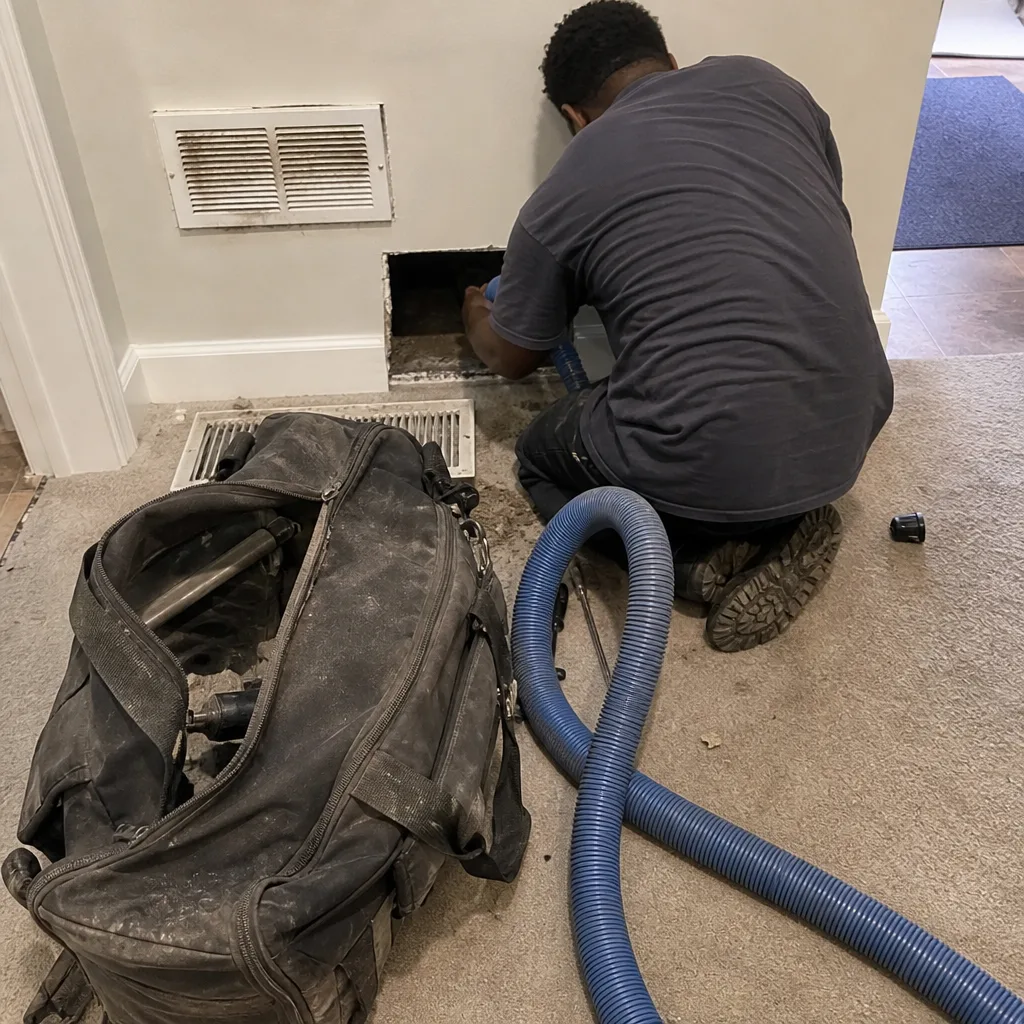
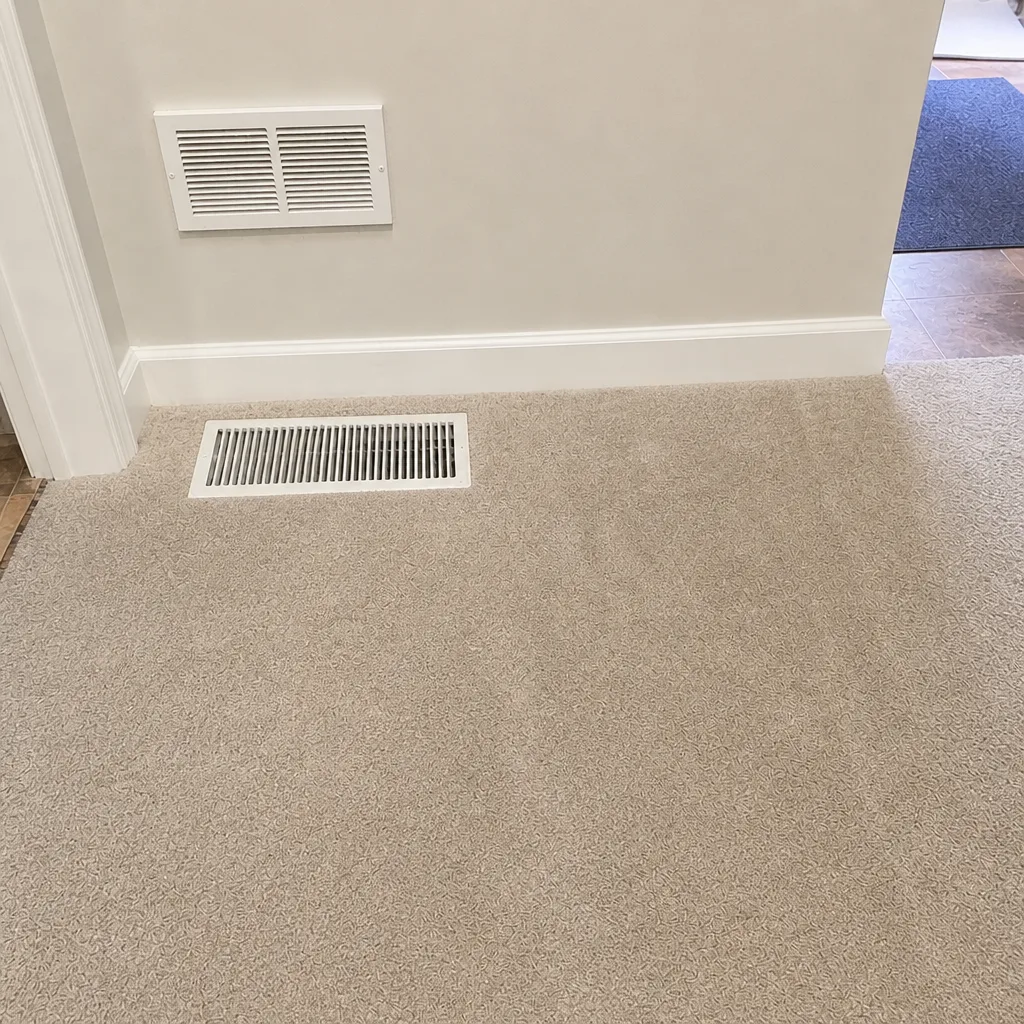
- Before-and-after photos of interior duct surfaces. Photos taken at the same points, ideally with enough detail to see surface texture. This is the single most useful piece of evidence.
- System overview. How many branch lines and returns were serviced, and what materials they’re made of. If a report says “20 vents cleaned” but your home has 14 registers and 3 returns, the number is marketing, not documentation.
- Method description. What equipment was used, whether negative pressure was maintained, and whether agitation tools were run through every branch.
- Moisture and mold indicators. Any findings of damp duct surfaces, mold-like growth, or compromised duct insulation, with photos. This matters in Richmond specifically because humidity is the dominant driver of biological contamination.
- Damage and repair findings. Disconnected joints, torn flex jacketing, crushed sections, and any ductwork that needs repair. Cleaning a broken system without flagging it wastes the clean.
- Filtration and air handling notes. Filter condition at time of service, and any recommendation about filter rating.
What a report should not be: a checklist with every box ticked, a suggestion that you sign a maintenance plan on the spot, or a page of language with no system-specific detail. The measurements that matter are qualitative (visible surface condition, before-and-after imagery, documented findings) and structural (how many branches serviced, what was found and where). Any company that can’t produce a photo record of your specific system’s interior surfaces hasn’t done the job to standard.
If the report flags compromised ductwork, that’s where repair comes in. Duct cleaning and duct repair are different services. A tear in flex duct or a disconnected joint behind drywall needs to be fixed, not just cleaned around. Rutherford Air Duct Cleaning offers both as separate services so the diagnosis and the fix stay in the same scope.
What Air Duct Cleaning Costs in Richmond
Air duct cleaning in Richmond typically runs $350 to $900 for a whole-system job, with the final price set by a written estimate after the system is seen. That’s the range we quote, and it reflects the actual labor and equipment involved in source-removal cleaning on the housing stock in this market. Anything significantly below that range should prompt the questions in the methods section above.
What moves the estimate within that range:
- Number of branch lines and returns. A 1,500-square-foot ranch with 10 registers is a different job than a 3,000-square-foot Church Hill row house with 18 registers, a basement return run, and multiple branch lines with no existing access.
- Access work required. If branch lines need access panels cut to be cleaned properly, that’s labor and material.
- Contamination level. Post-renovation plaster dust, heavy pollen accumulation in the return plenum, or moisture-affected flex duct all increase cleaning time.
- Duct materials and geometry. Rigid galvanized trunk with clean runs is faster than mixed-material systems with abrupt transitions and dead zones.
- Dryer vent cleaning as a separate service. Priced independently of the duct job, and worth doing in the same visit for a combined estimate.
A few things about pricing that matter for avoiding the bait-and-switch pattern in this trade: we don’t quote per vent. Whole-system pricing means one flat price for the full cleaning of the system, agreed in writing before work starts. No teaser coupon figure that turns into a much larger invoice once the technician is on site. No upsell pressure. The written estimate is what you pay. For a full breakdown, our Rutherford Air Duct Cleaning service overview covers the scope of each service. And because our process includes photos of your own duct interior surfaces before and after, you’ll have evidence of what was cleaned, not just a line item on a receipt.
Get an exact number for your home by calling (855) 606-6205. The estimate is free, and it’s based on your actual system, not a phone guess.
How Often Ducts Really Need Cleaning
The common answer you’ll read online is every three to five years, but in Richmond that rule is often wrong in one direction and overly aggressive in the other. The interval depends far more on the home and the conditions than on the calendar.
Reasons to schedule cleaning sooner in Richmond conditions:
- Spring allergy symptoms. If household members with allergies are consistently symptomatic indoors during the Feb-May pollen season, the system is distributing pollen and dust you’re reacting to.
- Recent renovation. Any drywall, plaster, sanding, or demo work in a Richmond older home releases fine dust that migrates through the system and settles. Getting ducts cleaned after the project closes is worth doing.
- Visible discharge at registers. Dust puffing out when the system kicks on, or dark residue on register faces, means the interior surfaces are loaded.
- Humidity indicators. Damp duct surfaces, musty smell when the system runs, or visible growth on flex duct at joints. This one isn’t about the calendar at all. Moisture-driven contamination needs to be addressed and the moisture source corrected.
- Newly purchased home. You don’t know the previous owner’s filter habits, and Richmond homes have a long history of deferred maintenance on HVAC components.
Reasons the three-to-five-year rule may be more than you need: a newer home, a well-sealed system, an appropriate filter change interval, no renovation activity, and no allergy symptoms indoors. In those conditions, inspection matters more than scheduled cleaning. A qualified technician can tell you whether the system needs a clean or not by looking at the interior surfaces.
For property managers running multiple Richmond units, the practical approach is inspection on turnover with cleaning triggered by findings rather than by a fixed interval. That keeps costs proportionate and catches moisture issues in older buildings before they escalate.
Dryer Vent Cleaning: The Safety Side of the Same Job
Dryer lint accumulation is a fire risk, and it’s one most duct cleaning companies either skip or treat as an afterthought. It shouldn’t be. A dryer vent that’s partially blocked does two things: it lets heat build up in the lint it has accumulated, and it forces the dryer to run longer and hotter to dry the same load. The second one is often the first thing a homeowner notices, in the form of a dryer that takes two cycles to dry a normal load.
Dryer vent cleaning is a straightforward service, and the right time to do it is often on the same visit as an air duct cleaning. It involves:
- Disconnecting the dryer from the vent at the back, and cleaning the full run from the dryer connection to the exterior termination.
- Removing accumulated lint from the entire vent path, not just the segment behind the dryer.
- Verifying that the exterior termination flap opens freely and that the vent run has not been crushed or disconnected inside the wall cavity.
- Checking that the dryer’s internal lint trap and transition duct are clear.
Because we run dryer vent cleaning as its own dedicated service rather than an add-on, we treat it with the same equipment and reporting standard as duct cleaning. Richmond homes with dryers located in interior closets or in the middle of long vent runs are the ones where this matters most, since longer runs accumulate lint faster and are more likely to have a hidden crushed section inside the wall.
Common Mistakes to Avoid
- Choosing on price alone with no method question. The low-price duct cleaning market exists because contact-vacuum cleaning is cheap to deliver. If the quote is dramatically below the Richmond range, ask what equipment will be used and whether agitation tools will run through every branch line. The answer usually explains the price.
- Accepting a per-vent quote. Per-vent pricing is a structure that makes the final invoice impossible to predict. Whole-system pricing, agreed in writing before work, is the only structure that protects the homeowner. Same for “only $X to start” teasers.
- Skipping the moisture inspection in an older Richmond home. A clean that ignores damp flex duct or a leaky basement return leaves the cause in place, and contamination returns within months. In this climate, moisture is often the whole story.
- Cleaning a system without repairing obvious duct damage. Disconnected joints, torn flex jacketing, and crushed runs means the cleaning doesn’t hold. Any company that doesn’t offer duct repair alongside cleaning is leaving part of the problem unsolved.
- Not asking for before-and-after photos of your own system. Generic marketing photos of “duct cleaning” prove nothing. The only evidence that matters is the interior surfaces of your ductwork. If a company can’t produce that, the job wasn’t documented.
- Treating the dryer vent as separate from the duct job indefinitely. Many Richmond homes have never had the dryer vent professionally cleaned, and lint accumulation over years is a legitimate fire risk. If it’s been a long time, add it to the duct cleaning visit.
- Assuming a higher-MERV filter fixes a dirty system. Filtration is important, and upgrading to a quality filter works with Honeywell or Aprilaire-compatible systems, but a filter sitting downstream of a contaminated return plenum is not a substitute for source removal. It catches what reaches it; it doesn’t clean what’s already in the duct.
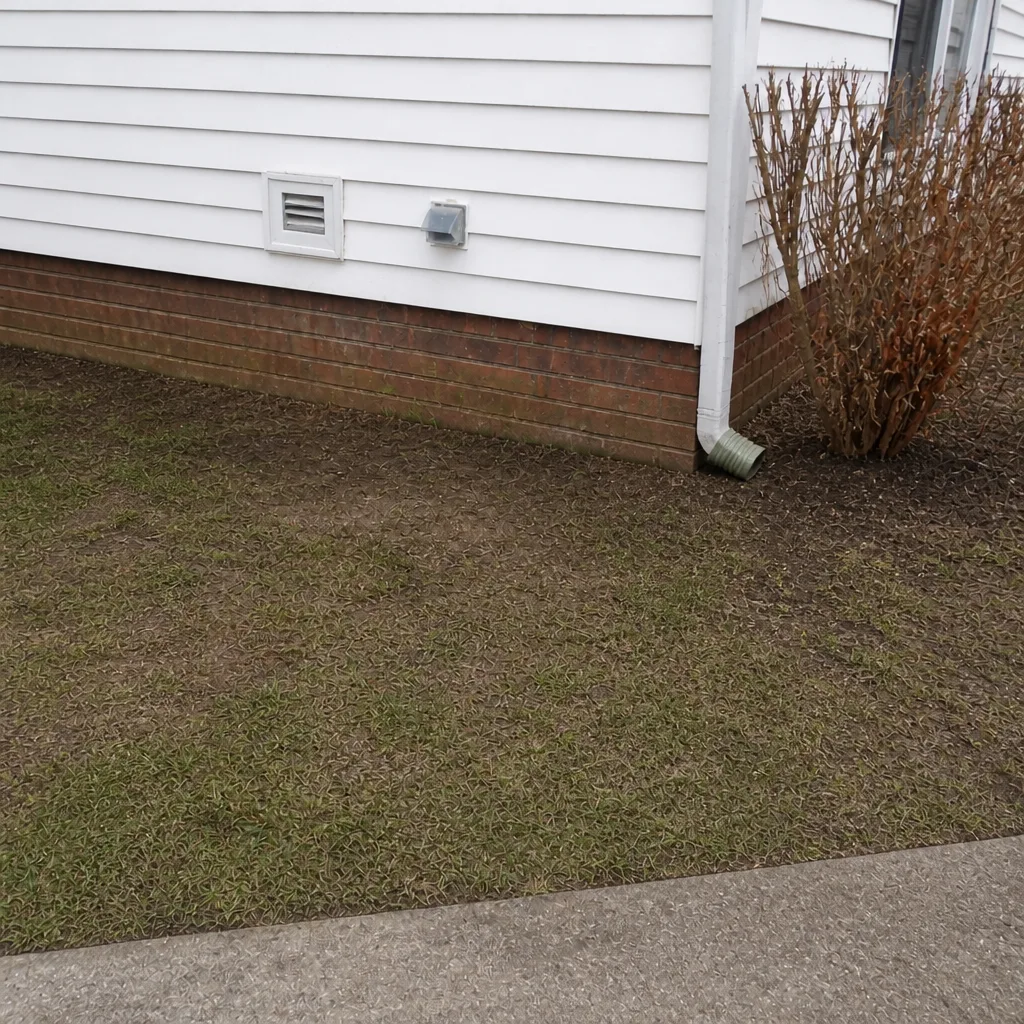
See the difference
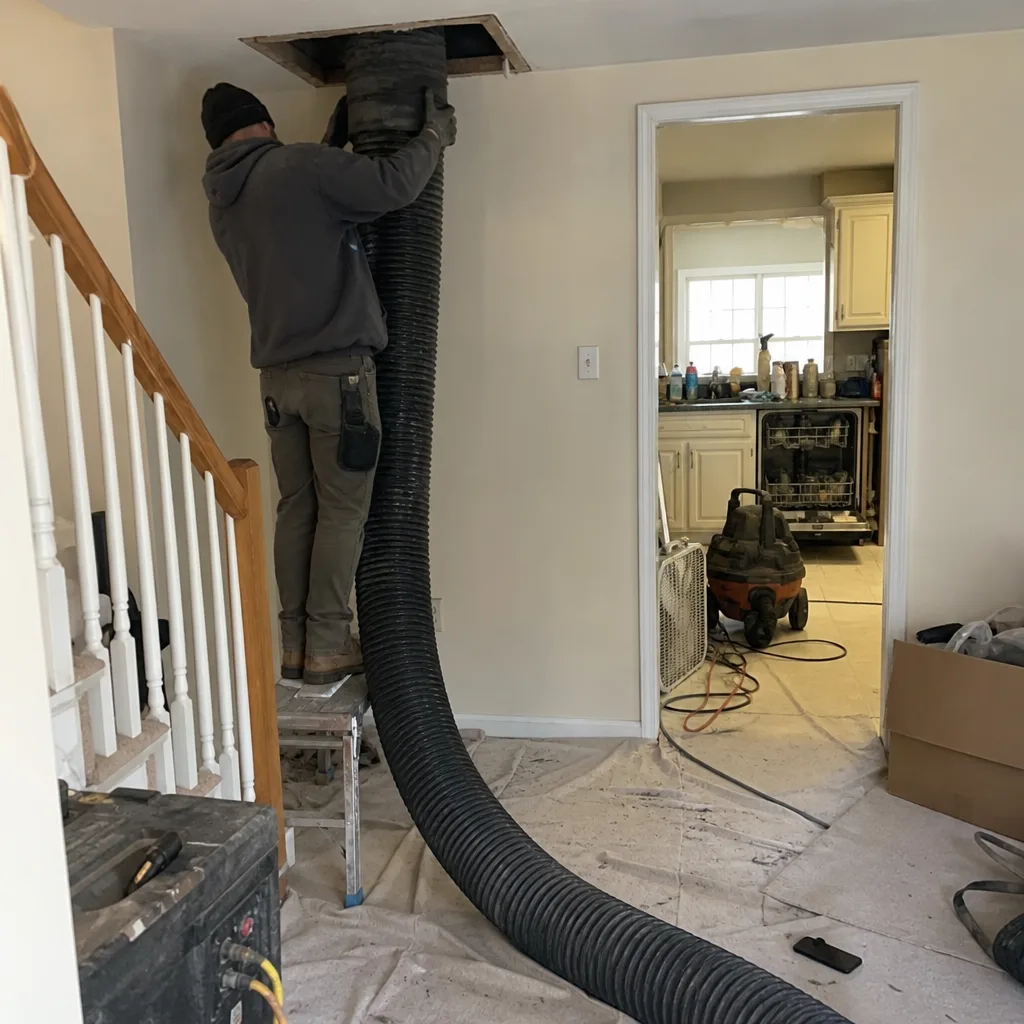 Before
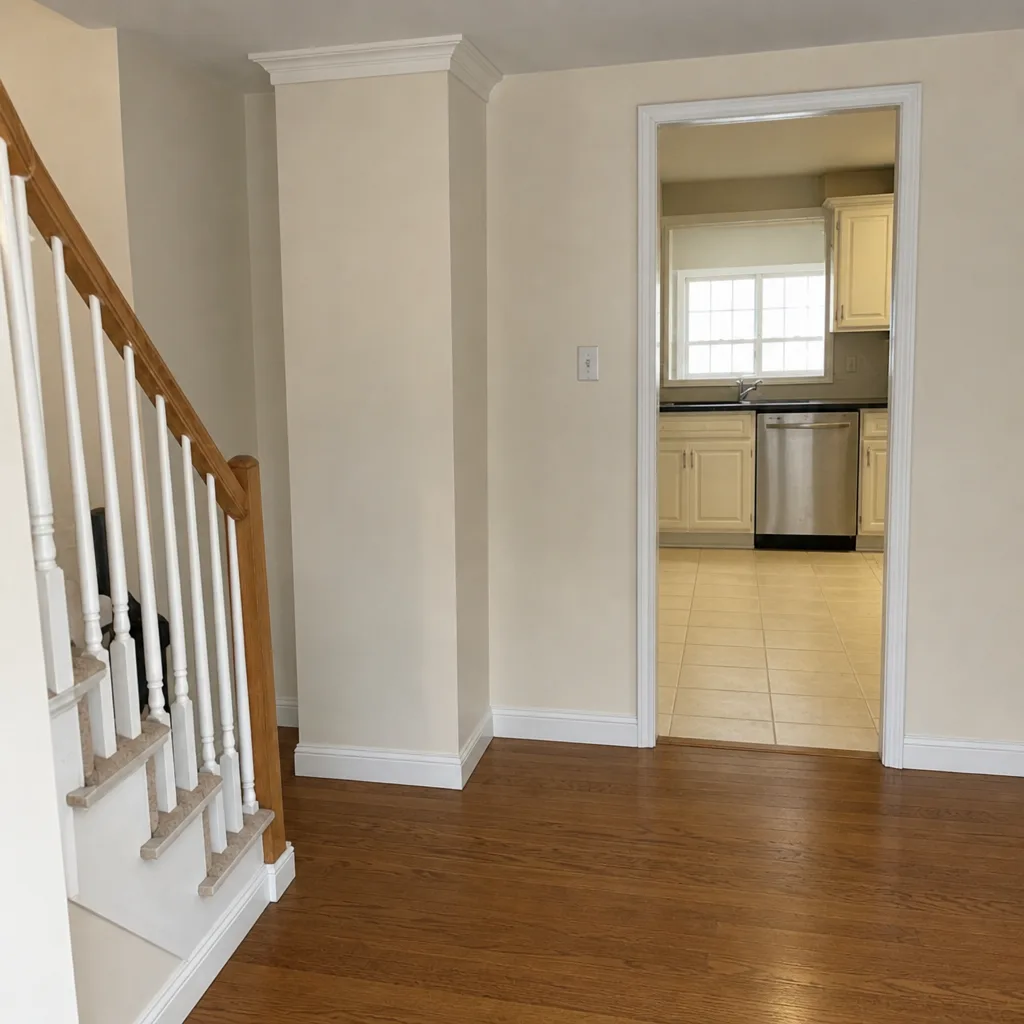 After
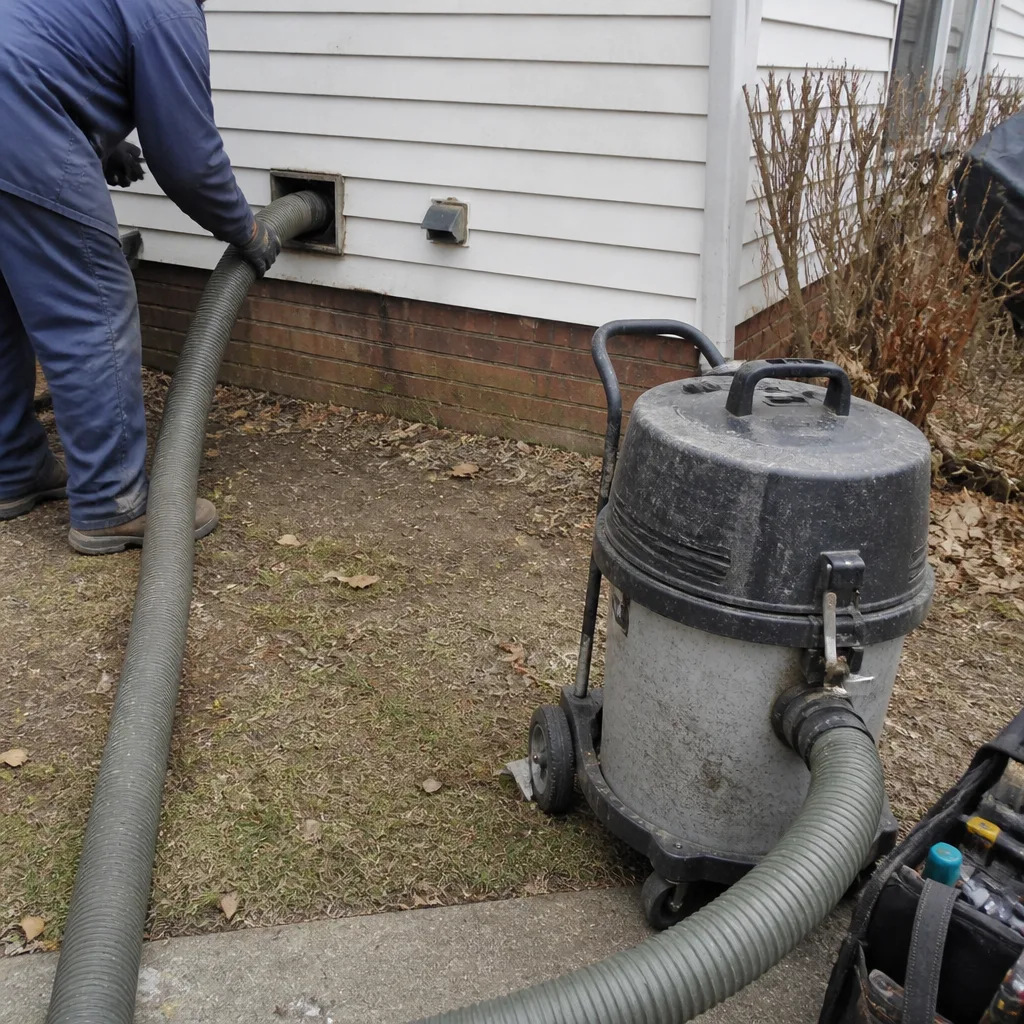 Before
 After
 Before
 After
When to Call a Professional
Some duct conditions can wait for a scheduled inspection. Others should prompt a call now. Call a professional if you’ve had renovation work done in a Richmond home and you’re seeing dust discharge at registers, if household members with allergies are consistently symptomatic indoors during pollen season, if the system has a musty smell when it runs or you see moisture indicators on flex duct, if a home inspection flagged the ductwork, if your dryer is taking noticeably longer to dry a load, or if you’ve just purchased a Richmond property and don’t know the filter and cleaning history. In each of these cases, an inspection with a written estimate tells you what the system actually needs. Rutherford Air Duct Cleaning offers free estimates in Richmond – call (855) 606-6205. We answer 24/7, with fast dispatch from 7am to 7pm, Sunday through Friday.
Frequently Asked Questions
Typical whole-system air duct cleaning in Richmond runs $350 to $900, with the final price set by a written estimate after the system is inspected. Number of branch lines, access work, and contamination level all move the number within that range. We quote one flat price per system, agreed before work starts. Call (855) 606-6205 for an exact quote – estimates are free.
Cheap quotes usually reflect contact-vacuum cleaning: a vacuum run against each register with no agitation and no negative pressure across the system. That pulls loose surface dust and leaves the adhered material behind. Source-removal cleaning takes dedicated equipment, more time, and a verification report, which is why it costs more. When a quote is dramatically below the Richmond range, ask what equipment will be used and whether every branch line gets agitation tools. Call (855) 606-6205 to talk through your system – estimates are free.
You should receive a written completion report with before-and-after photos of your specific system’s interior duct surfaces, a count of branches and returns serviced, and any moisture, damage, or repair findings documented. A report without photos of your own system proves nothing. We provide photos of your ducts before and after on every job. Call (855) 606-6205 if you’ve had a cleaning and aren’t sure what was done – we can inspect and document.
For many Richmond homes, the honest answer is after renovation, after a home purchase, or when allergy, moisture, or visible dust indicators show up – not on a fixed calendar. The three-to-five-year rule of thumb is a reasonable starting point, but this climate’s pollen load and humidity mean homes with allergy-sensitive occupants or older ductwork often need cleaning on a shorter interval. Inspection tells you what your specific system needs. Call (855) 606-6205 to book one – estimates are free.
Humidity alone doesn’t contaminate a duct system in good condition, but leaky returns in unconditioned space, torn flex jacketing, and short-cycling systems can leave interior duct surfaces damp long enough for mold colonization. That’s a different failure mode from dry-climate duct contamination, which is dominated by dust and debris. It’s also why moisture inspection is a required step in any Richmond duct job, not an optional add-on. Call (855) 606-6205 if you smell mustiness when your system runs.
It can, when the ducts are holding the pollen and dust that allergy sufferers are reacting to. Richmond’s spring pollen season ranks among the worst in the country, and return plenums in local homes accumulate a visible pollen layer. Source-removal cleaning removes that material, which is different from a surface pass that leaves adhered pollen and dust behind. Call (855) 606-6205 for an inspection – estimates are free.
The Bottom Line
Richmond’s climate and housing stock make duct cleaning a different job than the generic national guides describe. Pollen-heavy springs load the return side; humid summers create moisture conditions that can lead to mold inside compromised flex duct; and century-old homes in The Fan and Church Hill present duct geometry that requires real access work and dedicated equipment to clean properly. The practical takeaways: insist on source-removal methods with agitation tools and negative pressure, ask for before-and-after photos of your own system, expect whole-system pricing rather than per-vent quotes, inspect moisture as carefully as you inspect debris, and don’t treat the dryer vent as a separate concern. If your ducts need repair rather than just cleaning, fix the problem. And when you’re ready for a real estimate on your Richmond home, we’ll price the whole system in writing, before any work starts.
Call (855) 606-6205 for a free estimate on air duct cleaning, dryer vent cleaning, or duct repair in Richmond. We answer 24/7. Fast dispatch from 7am to 7pm, Sunday through Friday. One flat price per system, licensed and insured, with before-and-after photos of your own ducts.
Written by the team at Rutherford Air Duct Cleaning.