
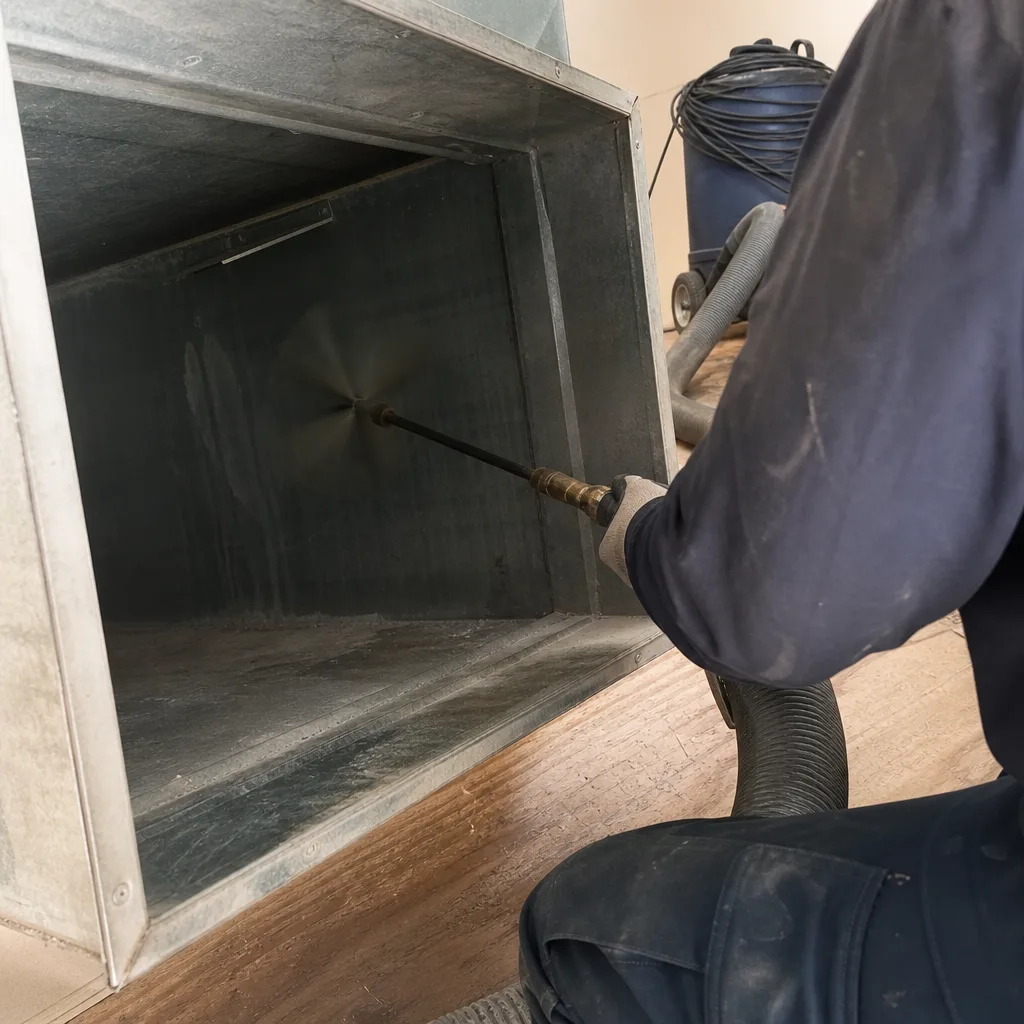
Last updated November 14, 2026
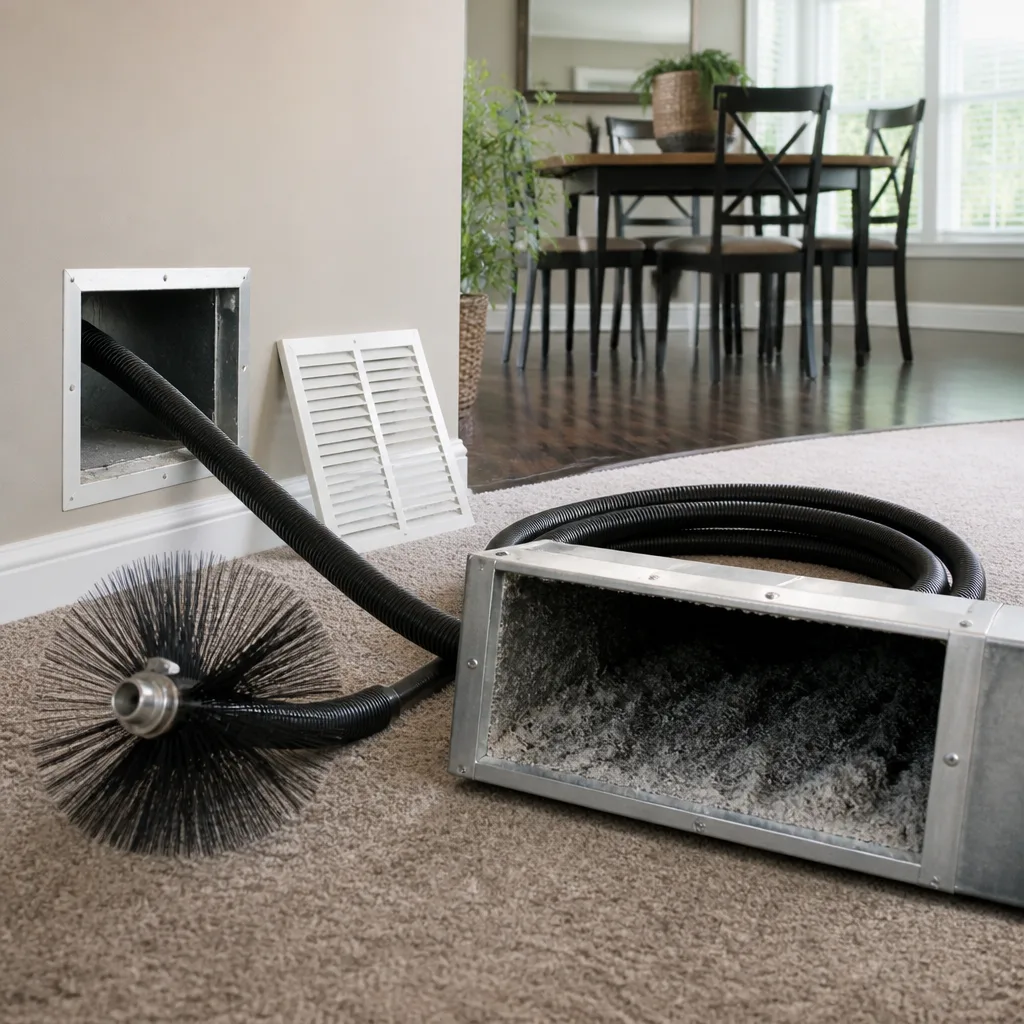 Whole-home duct cleaning
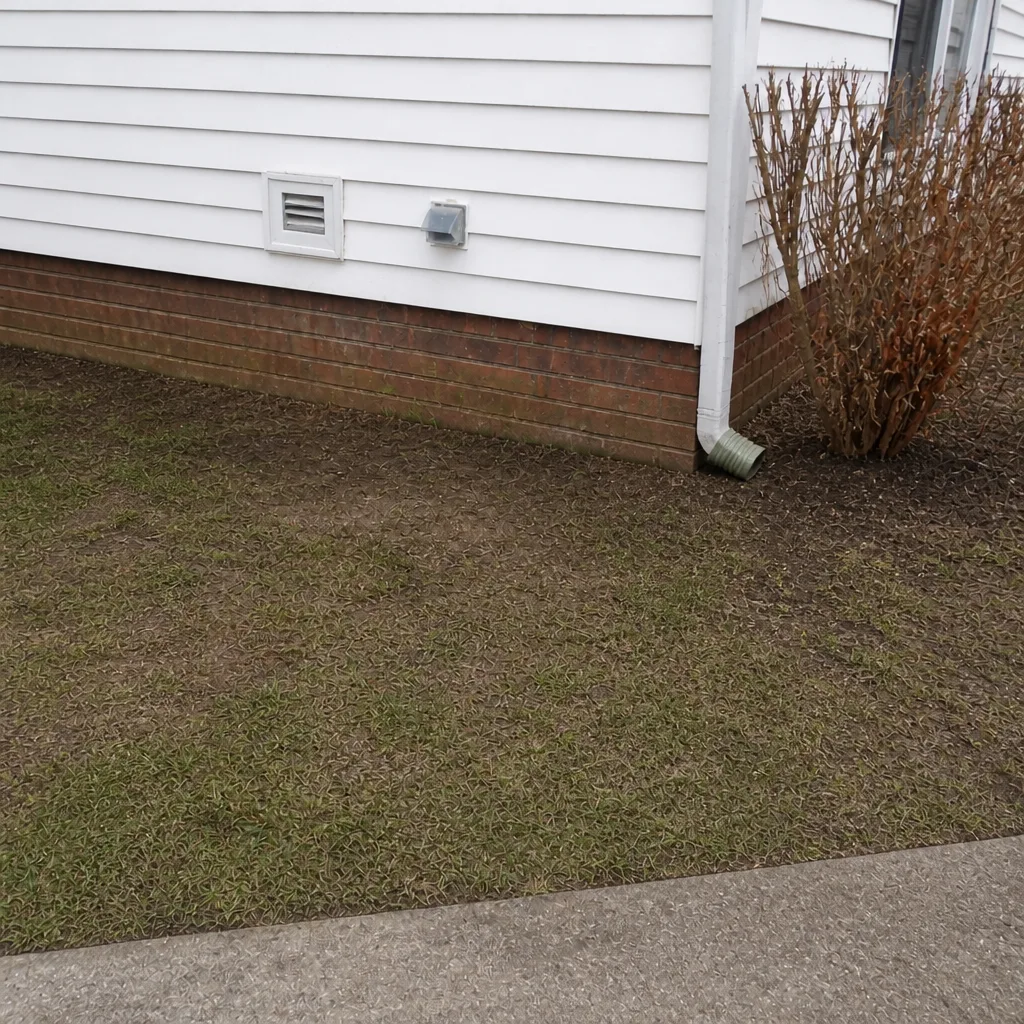
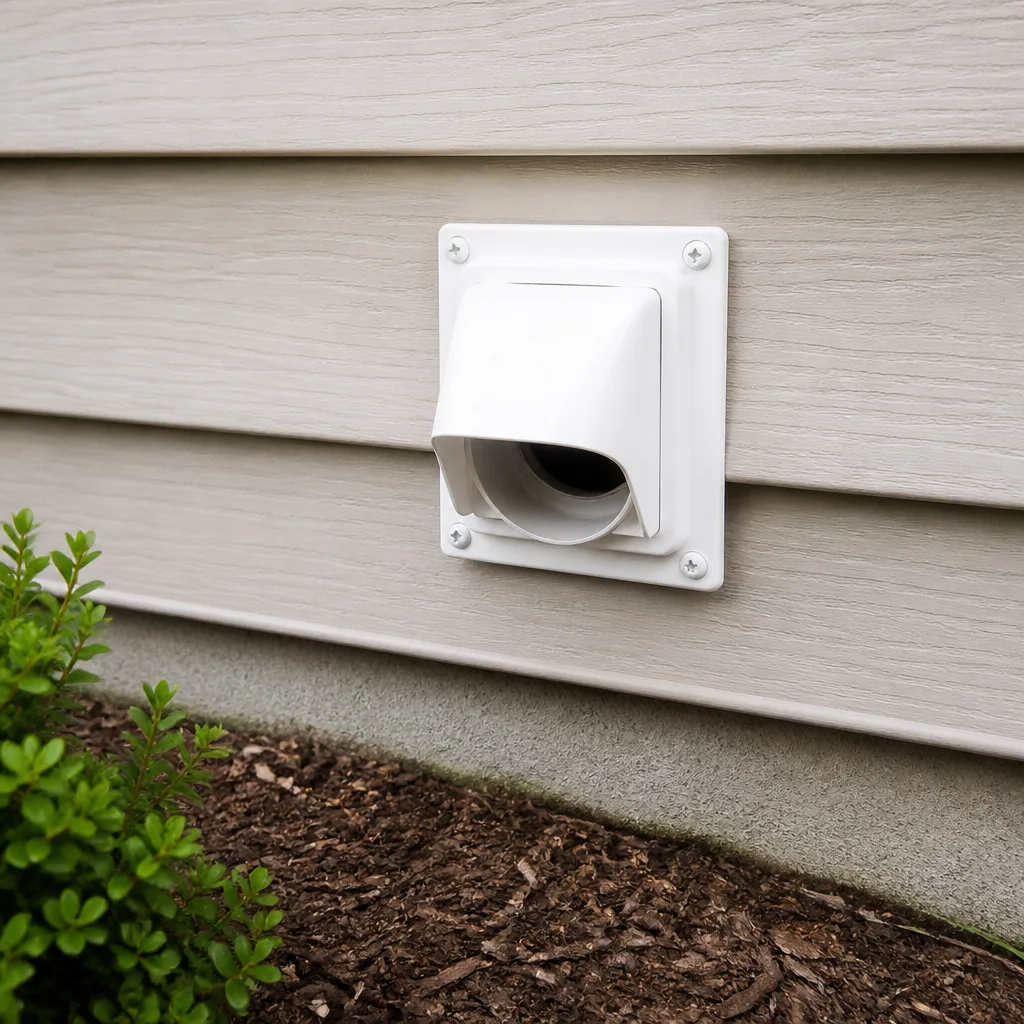 Dryer vent cleaning
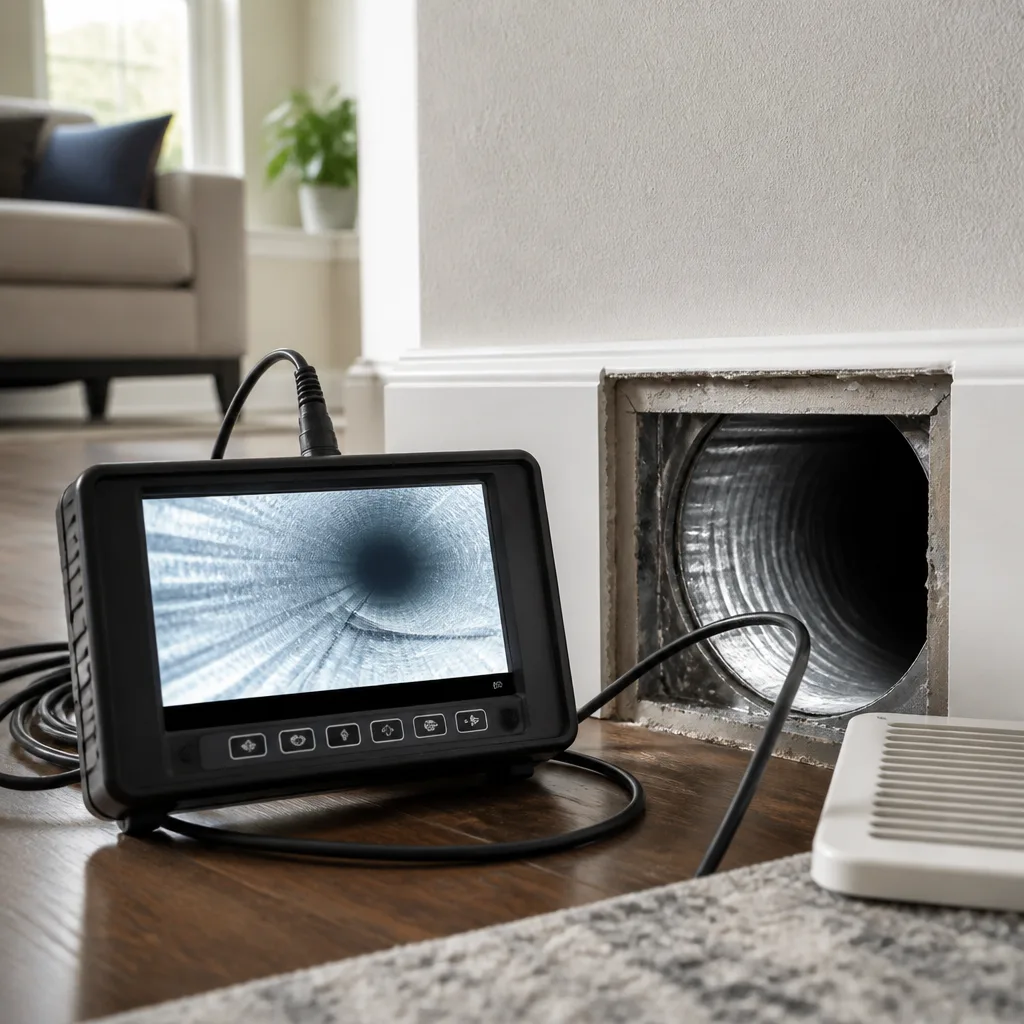 Camera inspection
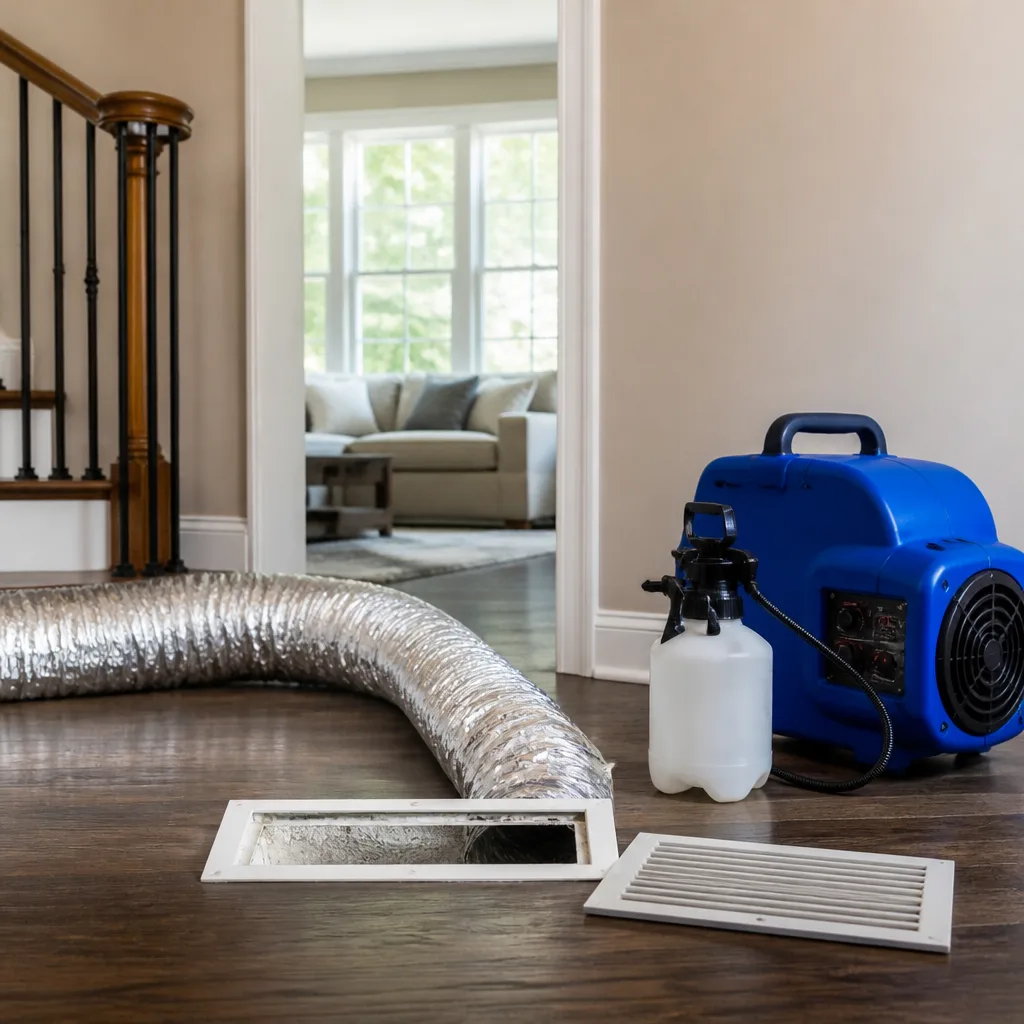 Sanitizing & deodorizing
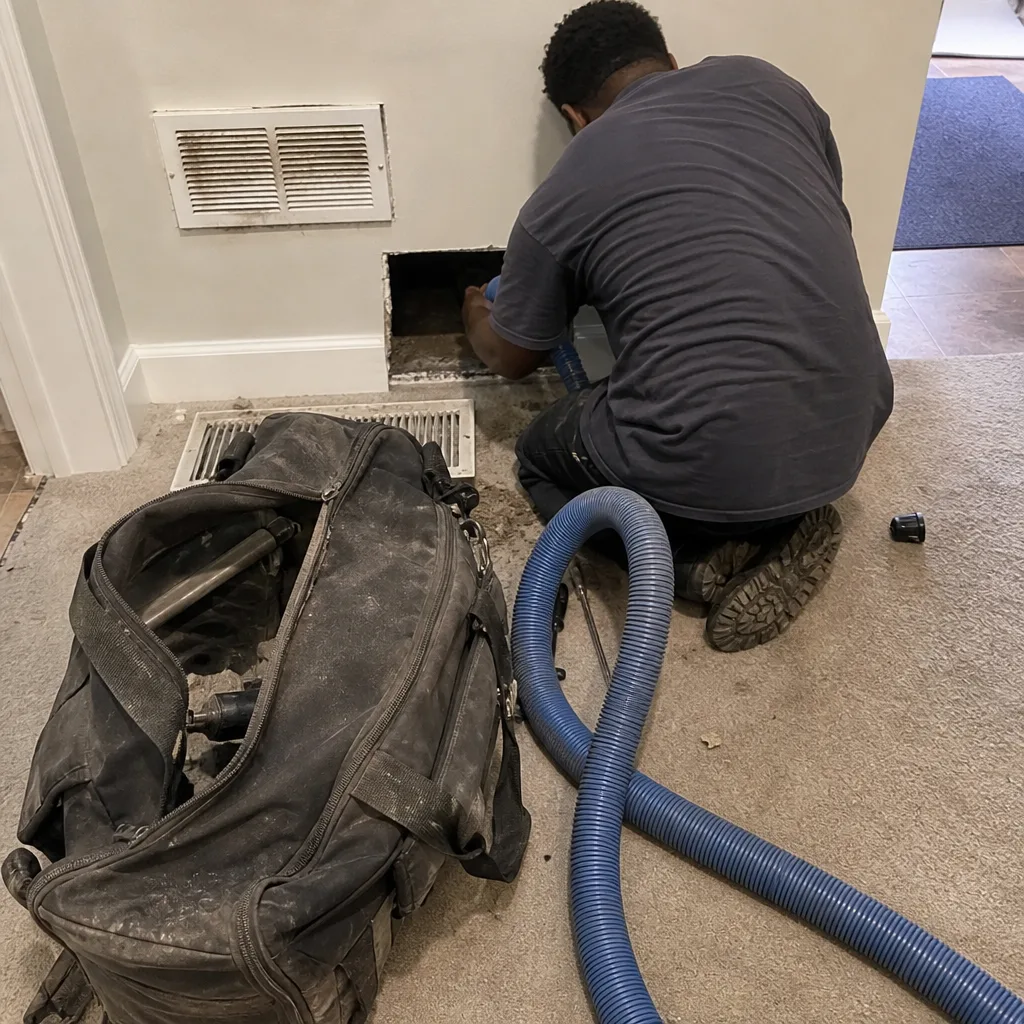
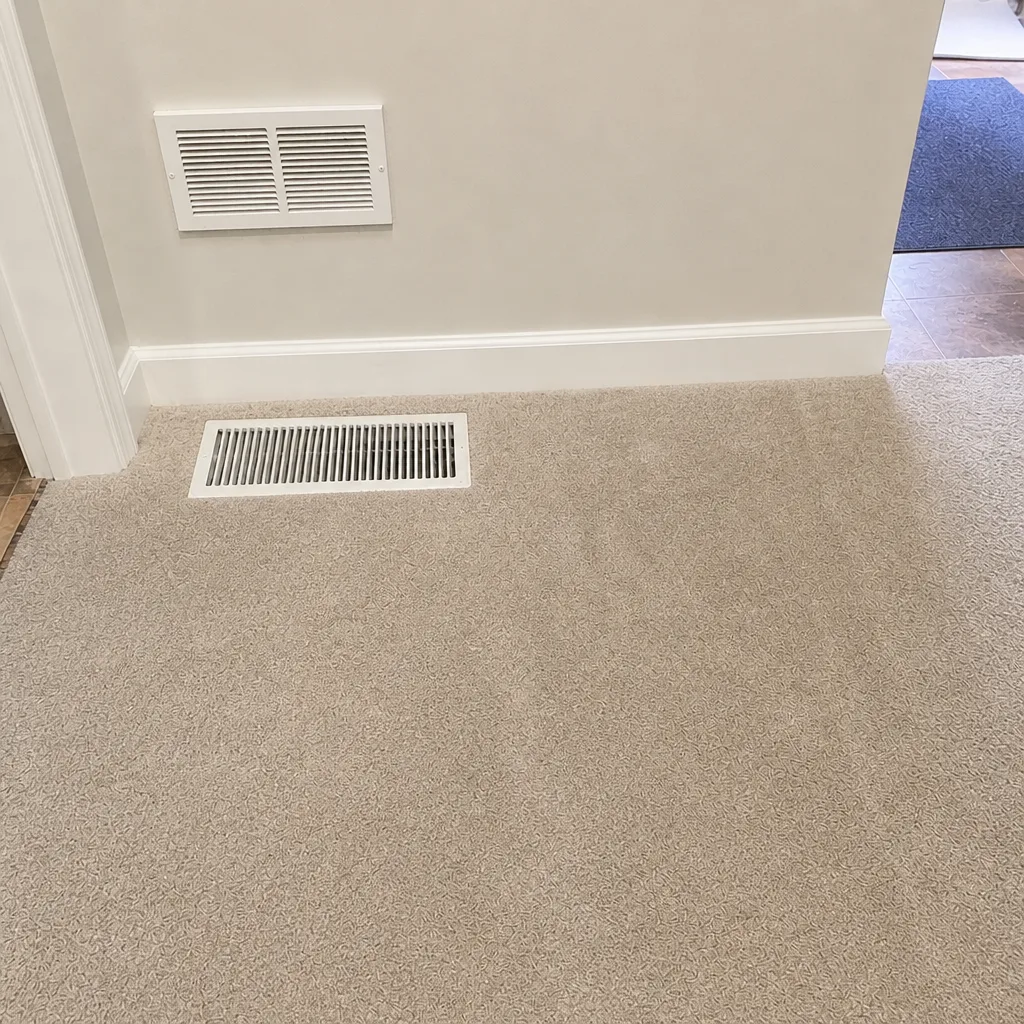
Whole-system duct and dryer vent check with before-and-after photos - you see exactly what came out of your vents
That "$99 whole-house special" is a bait ad - the real number appears once they are in your hallway, or the "clean" is a shop-vac at the register. We photograph the inside of your ducts before and after instead.
DIY vs Professional Air Duct Cleaning: The Richmond Homeowner’s Decision Guide
Most homeowners own a shop vac, a stepladder, and a reasonable amount of nerve. That combination can reach the first foot or two of a duct run, which happens to be the section that matters least. What it can’t reach are the interior liner surfaces, plenum walls, and air handler coil where contamination actually settles and bonds. This guide explains what separates a surface pass from source removal, what you can legitimately handle yourself in a Richmond home, and when the $40 you saved on a rental vacuum turns into a much larger bill. If you want the short version before the long one, it’s below.
Quick Answer
For most Richmond homes, DIY air duct cleaning removal is a filter-change and register-wipe job, not a duct-cleaning job. Consumer vacuums and brush kits can’t generate the sustained negative pressure needed to pull bonded debris off liner surfaces, and agitating mold or dust without capture containment spreads more contamination into the living space than it removes. Professional cleaning earns its cost when the equipment reaches the full system under containment and captures what it loosens.
Styles & brands we work with
- Whole-home duct cleaning
- Dryer vent cleaning
- Camera inspection
- Sanitizing & deodorizing
Table of Contents
- Why Equipment Physics Matter More Than Effort
- What a Richmond Homeowner Can Legitimately Do Themselves
- When DIY Cleaning Makes Contamination Worse
- How to Tell If a Pro Is Actually Using Pro Equipment
- Richmond’s Older Metal Ductwork: A Special Risk
- The Dryer Vent: DIY Is Fine Until It Isn’t
- When Your Ducts Need Repair, Not Just Cleaning
- Common Mistakes to Avoid
- When to Call a Professional
- Frequently Asked Questions
Why Equipment Physics Matter More Than Effort
Air duct cleaning works on one principle: dislodge contamination, then capture it before it settles back. Both halves happen at once under negative pressure. A professional rig pulls a sustained vacuum on the entire duct system from a central point while rotary brushes and air whips loosen debris inside each run. The negative pressure holds the loosened material in suspension so the collection unit captures it instead of redistributing it into your rooms.
That’s where the numbers get uncomfortable for the DIY approach. A typical shop vac pulls somewhere in the range of 100 to 200 cubic feet per minute at the hose, and less at the end of a long run. A professional truck-mounted or high-capacity system pulls several times that, and it maintains the draw against the static pressure of an entire connected duct system. It isn’t about raw suction at the nozzle. It’s about keeping whole-system negative pressure stable while agitation is happening elsewhere in the ductwork. That stability is what captures airborne debris rather than recirculating it.
The effect matters because most contamination in Richmond homes doesn’t sit loose on the duct floor. Dust mites, settled debris, and biological growth bond to the liner surfaces and the interior walls of the plenum over time, especially in humid summers when condensation softens that bond and then dries it back into place. Removing bonded contamination requires mechanical agitation at the surface followed by capture. A brush on the end of a shop vac performs the agitation half, then fails on the capture half. The debris comes loose, and then it drifts.
In our experience, the most common DIY outcome isn’t a clean duct. It’s a duct that’s been stirred and left. Professional systems from Rotobrush and Nikro are built around the agitation-plus-capture pairing, and the negative-air equipment from Abatement Technologies handles the filtration side so that particles loosened in the system don’t cycle back into the living space during the work.
What a Richmond Homeowner Can Legitimately Do Themselves
This isn’t a pitch to call a professional for everything. Several maintenance tasks genuinely belong to the homeowner and save real money over time. What follows is what we’d tell a neighbor to handle without us.
- Change filters on schedule. A MERV 8 to MERV 11 filter changed every 60 to 90 days during heating and cooling season protects the system downstream. Higher MERV ratings catch more, but they can strain a system not designed for the added resistance. Know your air handler’s limit before upgrading.
- Vacuum registers and return grilles. Pop off each supply and return cover, vacuum the face and the visible duct mouth behind it, and wipe the grille with a damp cloth. This removes the dust that most visibly settles and costs almost nothing.
- Inspect with a phone camera. A phone on a selfie stick can see 3-4 feet into most runs through a removed register. Photograph what you find and track changes between seasons. If you see heavy buildup, standing moisture, or visible growth, that’s a professional call, not a deeper DIY attempt.
- Keep condensate drain lines clear. A clogged drain pan in Richmond’s humid months creates exactly the moisture conditions that feed biological growth in the air handler. Pouring a cup of vinegar down the drain line quarterly is cheap insurance.
- Seal visible gaps yourself. Small cracks at register boots and duct joints can be sealed with mastic or foil tape, and this is a genuine homeowner task. Anything larger that requires opening the ductwork is a professional job because it risks widening a leak.
None of that requires a rental vacuum or a contractor. It’s a maintenance routine, and it’s the right one to start with in a Richmond home before you decide whether deeper cleaning is warranted.
When DIY Cleaning Makes Contamination Worse
There’s a specific condition where a homeowner-agitated duct system ends up worse than when they started. It happens when the contaminant is biological. Mold colonies, mildew growth on damp liner surfaces, and settled spores are common in Virginia’s humid summers, especially in systems that have seen moisture intrusion or a long stretch with a clogged condensate drain.
Disturbing a mold colony with a brush without capture containment releases a burst of spores into the airstream. Those spores travel with the airflow through every open register in the house. What was localized to one section of duct becomes a whole-house exposure event. The homeowner notices it as a dust smell, a spike in allergy symptoms, or visible dust settling on horizontal surfaces the next day. The problem they tried to solve just moved to every room.
The professional sequence does the opposite. First, negative pressure is established on the system and containment is set at the registers. Then agitation begins. Loosened material is pulled toward the collection point instead of pushed into the living space. The Abatement Technologies filtration equipment used in remediation work is designed around exactly this problem, keeping particles out of the air the occupants breathe while the work is happening.
- Never brush a duct that shows visible growth. If you can see discoloration, fuzzy patches, or smell a musty odor when you remove a register, the contamination has bonded and needs contained removal.
- Never run a shop vac inside a duct without HEPA filtration. Standard shop vacs exhaust fine particles straight into the room.
- Never use a leaf blower or compressed air in ductwork. It’s the single fastest way to redistribute settled debris throughout the house.
- Never clean ducts after water damage without drying first. Agitated contamination on a damp surface will simply regrow.
If you’re not sure what you’re looking at, the camera inspection is the honest first step. And if the camera shows growth, stop.
How to Tell If a Pro Is Actually Using Pro Equipment
Here’s the uncomfortable truth for Richmond homeowners who are willing to pay: not every company that shows up with a van and a hose is doing professional duct cleaning. Some are running portable units that barely outperform a shop vac. If you’re paying for specialist work, you need to know what specialist equipment looks like.
A few diagnostics that separate the real work from the appearance of it:
- Ask what equipment they use by name. Professional-grade systems are recognizable brands like Rotobrush and Nikro. If the answer is vague (“industrial equipment”) or evasive, ask again. If it stays vague, that tells you something.
- Ask about negative pressure and containment. A real source-removal job establishes whole-system negative pressure and seals registers during the work. If they’re just running a hose through each vent one at a time without containment, that’s a surface pass.
- Ask about filtration of the exhaust air. Professional rigs use HEPA-grade filtration during the work. Abatement Technologies units are the standard in environmental remediation for a reason.
- Ask for before-and-after photos. A serious operator documents the work with photos of the inside of the ducts before and after. If they can’t produce them, that’s a signal.
- Ask about pricing structure. Per-vent pricing (say, “$19 a vent”) is a warning sign. It rewards speed over coverage and tends to be the setup for a bait-and-switch. Whole-system pricing agreed before work starts is the honest structure.
- Ask what happens if they find damaged ducts. A cleaning-only outfit will clean over compromised ductwork and leave the leak. A company that also does air duct cleaning with duct repair capability can fix the root problem.
The cost difference between a portable unit and a professional rig is significant, and a specialist has already made that investment. That’s exactly the reason not every quote in Richmond will look alike. A $79 special isn’t offering the same work as a full-system source-removal cleaning, and it can’t be. Consider what a company shows up with, and whether they’re willing to explain it.
Richmond’s Older Metal Ductwork: A Special Risk
Richmond’s housing stock includes a lot of homes with original metal ductwork from the 1950s, 60s, and 70s, particularly in neighborhoods like the Fan District, Museum District, and Church Hill. That ductwork was installed with joint tape, and that tape has had decades to dry, crack, and lose adhesion. In some cases it’s barely holding a joint together.
For those homes, a DIY cleaning attempt carries a specific risk that doesn’t get talked about enough. Aggressive brushing or whipping on unbonded joint tape will pull the tape loose at seams that were already compromised. Once a seam opens, the system loses pressure and starts pulling unconditioned attic or crawlspace air into the living space. That’s worse than a bit of dust. It’s a duct system that now measures differently on a pressure test and needs repair.
Professional cleaning with controlled agitation can still be done on those systems, but the technique matters. A technician who knows what they’re looking at will check joints during the process and stop before tape failure. They’ll also flag sections that need re-taping or re-sealing as part of the job rather than cleaning over them. That’s the difference between cleaning and care.
- Check for exposed tape on your ductwork. If you can see tape at visible joints, it’s already at risk.
- Don’t brush aggressively into a run you can’t inspect. If you can’t see the surface you’re brushing, you can’t see what you’re damaging.
- Ask a professional about pressure testing on older systems. A rough test tells you if the system is already losing air before cleaning touches it.
- Budget for repair, not just cleaning, if the system is original. Re-taping and re-sealing compromised joints is often part of the honest scope on a 60s or 70s home.
Richmond homeowners in older neighborhoods run into this more than they expect. Sometimes the duct cleaning question leads to a duct repair answer, and that’s not a sales pitch. It’s what older homes actually need.
The Dryer Vent: DIY Is Fine Until It Isn’t
Dryer vent cleaning sits outside the air duct system, but it’s part of the same indoor air and safety picture. It’s also the one household duct where the DIY case is stronger at the start and weaker at the end.
If your dryer is in the middle of the house, or the vent run is short and straight and accessible from the outside wall, you can handle basic maintenance with a vent brush kit. Pop the flapper, run the brush through the straight section, vacuum the lint that comes out. That keeps the first section clear and it’s a legitimate homeowner task.
What the brush kit can’t reach is the problem. Dryer vent runs in Richmond homes often go up through the wall into the attic or along the ceiling before exiting. There are elbows in those runs where lint accumulates at a density that a hand brush won’t fully clear because it can’t hold pressure through the bend. The lint that packs into those elbows is the lint that burns. Dryer vent fires start in the runs where lint has become dense enough to ignite from the dryer’s own heat, and those are exactly the runs a DIY brush kit doesn’t fully clear. Professional dryer vent cleaning uses rotary equipment designed to drive through elbows under sustained airflow, and it can verify the entire run clear. That’s the standard worth paying for.
If your dryer takes longer than one cycle to dry a load, or the outside flapper shows minimal airflow, that’s a signal to check the whole run, not just the first section.
When Your Ducts Need Repair, Not Just Cleaning
A duct system that’s leaking, disconnected, or crushed can’t be cleaned back to healthy. Cleaning it makes it look improved while the actual problem keeps sending conditioned air into your attic or crawlspace. Before spending on cleaning, it’s worth understanding whether the ductwork is intact.
Signs the system needs repair rather than cleaning:
- Visible duct tape peeling or missing at joints
- Duct sections crushed, kinked, or disconnected in the attic or crawlspace
- Rooms that won’t heat or cool evenly no matter the thermostat setting
- Noticeable increase in dust after HVAC work in the attic
- Whistling or airflow noise at registers that wasn’t there before
- Utility bills that climb without a corresponding change in use
Air duct repair for a Richmond home usually means re-sealing joints with mastic or foil tape, replacing crushed flex runs, reconnecting disconnected sections, and sometimes adding manual dampers where a zone was never balanced properly. This is the reason we treat duct cleaning and duct repair as one scope. Cleaning a leaky system is wasted money. Fixing the leak and then cleaning gives you a system that actually performs.
If you’re evaluating a company for duct work in Richmond, ask whether they can diagnose and repair duct issues, or only clean them. The answer tells you how deep the job will go. For a longer description of what we do and how the equipment and process fit together, see Rutherford Air Duct Cleaning and the Richmond service area page.
Common Mistakes to Avoid
- Renting a carpet-cleaning vacuum and calling it duct cleaning. The hose pressure is wrong for ductwork, the filtration isn’t HEPA, and the whole job ends up as surface agitation that leaves more debris airborne than it captures.
- Using a leaf blower to “blow out” the ducts. This is the single most damaging thing a homeowner can do to their own indoor air quality. It sends decades of settled debris into every room at once, and it can deposit spores into soft furnishings where they persist.
- Ignoring mold growth and cleaning anyway. If you can see discoloration in the ducts, the right step is contained removal with filtration, not agitation. Richmond’s humid summers are enough to grow mold in ducts without any water leak. Don’t brush and hope.
- Paying per vent. A $19-a-vent special is designed to reward speed over coverage, and it never adds up to the same work as whole-system cleaning. Ask for whole-system pricing before a technician arrives.
- Cleaning ducts before fixing leaks. Sealing compromised joints first is not optional. The cleaning you pay for goes straight out through the leak if the ducts aren’t intact.
- Buying the cheapest quote without asking about equipment. A company running portable units can’t reach the same result as a company running a full negative-pressure rig with HEPA filtration, and the price reflects that. Ask for the equipment by name.
- Brushing older metal ducts on Richmond homes without checking joint tape. Ductwork from the 50s, 60s, and 70s often has tape that’s already failing. Aggressive brushing can open seams that were barely holding.
When to Call a Professional
DIY is the right starting point for routine maintenance. Here’s where it stops. Call a professional if you’ve seen visible dust accumulation or growth in the ducts, if anyone in the household has allergies or asthma symptoms that spike inside the home, if the home recently had a renovation that generated debris, if your HVAC inspection flagged duct conditions, or if your dryer takes more than one cycle to finish a load. Call as well if you’re in an older Richmond home with original metal ductwork and you can’t verify the condition of the joints. In each of those cases, the equipment and containment make the difference between a real cleaning and a redistribution event. Rutherford Air Duct Cleaning offers free estimates in Richmond. Call (855) 606-6205. We answer 24/7. Fast dispatch from 7am to 7pm, Sunday through Friday.
Frequently Asked Questions
Whole-system air duct cleaning in the Richmond market typically runs in the range of a few hundred dollars for a standard single-family home, with the exact price depending on the number of runs, system size, and whether duct repair is part of the scope. Call (855) 606-6205 for an exact quote. Estimates are free. The price is set per job by the written estimate, and there is no per-vent pricing and no teaser coupon price. The estimate reflects the whole system, not a per-vent count.
Because they’re quoting a different job. A $79 or $19-per-vent special is priced to reward speed, and the equipment behind it is usually a portable unit that barely outperforms a shop vac. A full-source-removal job with a professional rig, negative pressure, and HEPA filtration costs more to run, and the company has already made that investment. Ask any company what equipment they use and whether containment is part of the job. If the answer is vague, the price is telling you what you need to know. Call (855) 606-6205 for a straight answer from us and a free estimate.
Ask for before-and-after photos of the inside of your own ducts. A serious professional documents the work, and there’s nothing to hide in a photo of a duct that got cleaned correctly. Ask as well what containment and filtration were used, and request a walkthrough of what was found. If a company can’t produce photos of your ducts after the work, don’t accept the invoice without asking why. Call (855) 606-6205 to schedule and see what documentation looks like.
For most Richmond homes, every three to five years is a realistic interval, and many homes can go longer if filters are changed on schedule and there’s no renovation, water intrusion, or mold history. Homes with pets, allergy sufferers, recent renovations, or a history of moisture problems need it more often. The honest answer depends on your specific system. If you’re not sure whether you’re due, a camera inspection is the cheapest way to find out. Call (855) 606-6205 for a free estimate.
You can clean the first foot or two of each duct run, and that’s a legitimate maintenance task. What you can’t do is source-remove contamination that’s bonded to liner surfaces, because no consumer vacuum generates the sustained whole-system negative pressure the job requires, and without HEPA filtration the debris you loosen ends up in your living space. Wiping registers, changing filters, and inspecting with a phone camera are the practical DIY tasks. Anything deeper is a professional scope.
Not always. Homes with metal ductwork from the 1950s through the 1970s often have joint tape that’s already failing. Aggressive brushing or whipping can pull those joints open and turn a duct cleaning job into a duct repair job. If your home has original metal ducts and you can see tape at the visible joints, have a professional assess it before any DIY agitation. Call (855) 606-6205 for a free estimate and we’ll tell you straight whether cleaning makes sense or repair comes first.
The Bottom Line
The DIY vs. professional question comes down to equipment physics, not effort. A homeowner can handle register wiping, filter changes, and visual inspection, and those tasks genuinely help. What a homeowner can’t do is generate the sustained negative pressure, the bonded-surface agitation, and the HEPA-grade capture that source-removal cleaning requires. In Richmond’s humid summers, that gap matters more than it does in drier climates because the contamination in a duct system here is more likely to be bonded and biological. If you’re already seeing growth, if the home has older metal ducts with failing tape, or if a quote sounds too cheap to cover the work, that’s the signal. Our technicians have up to 9 years of experience, and we use professional-grade equipment from Rotobrush, Nikro, and Abatement Technologies because the equipment is what makes the difference. Call (855) 606-6205 for a free estimate. We answer 24/7. Fast dispatch from 7am to 7pm, Sunday through Friday.
Written by the team at Rutherford Air Duct Cleaning.
See the difference
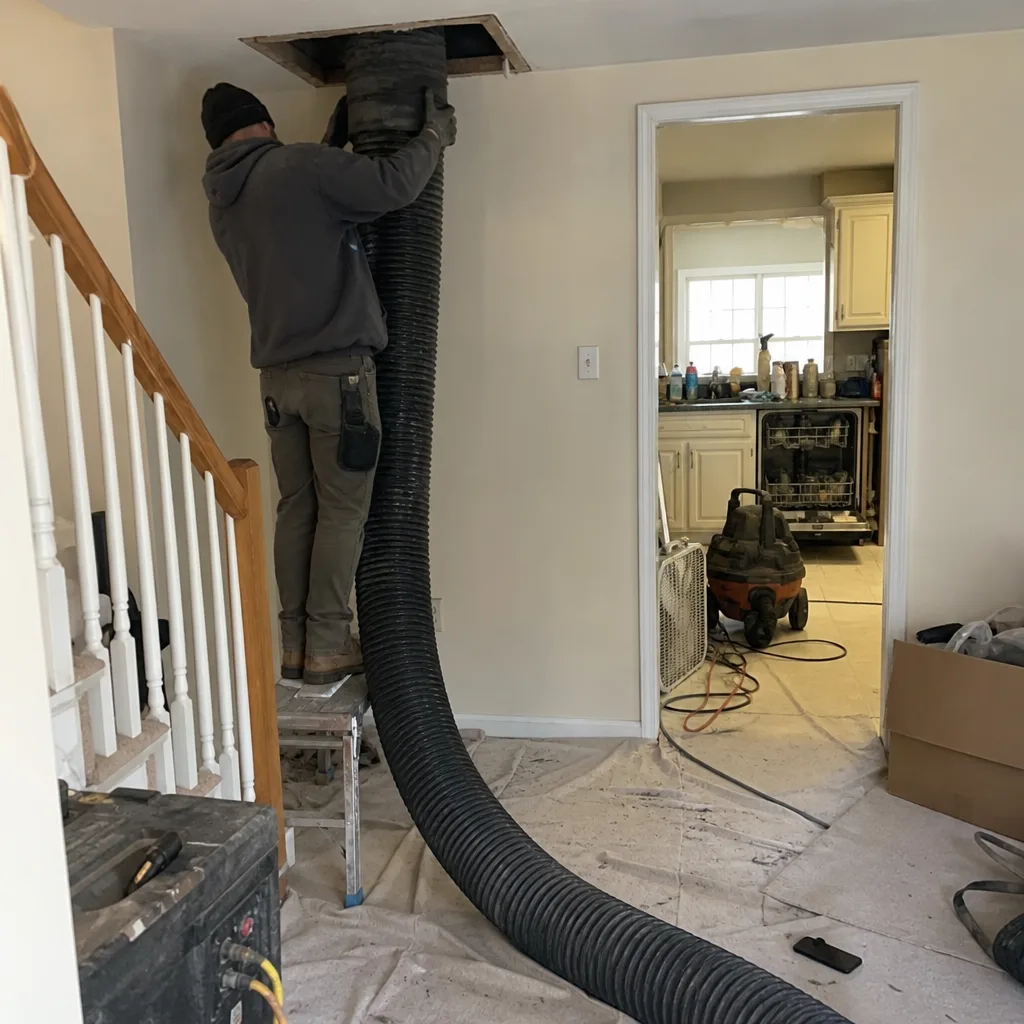 Before
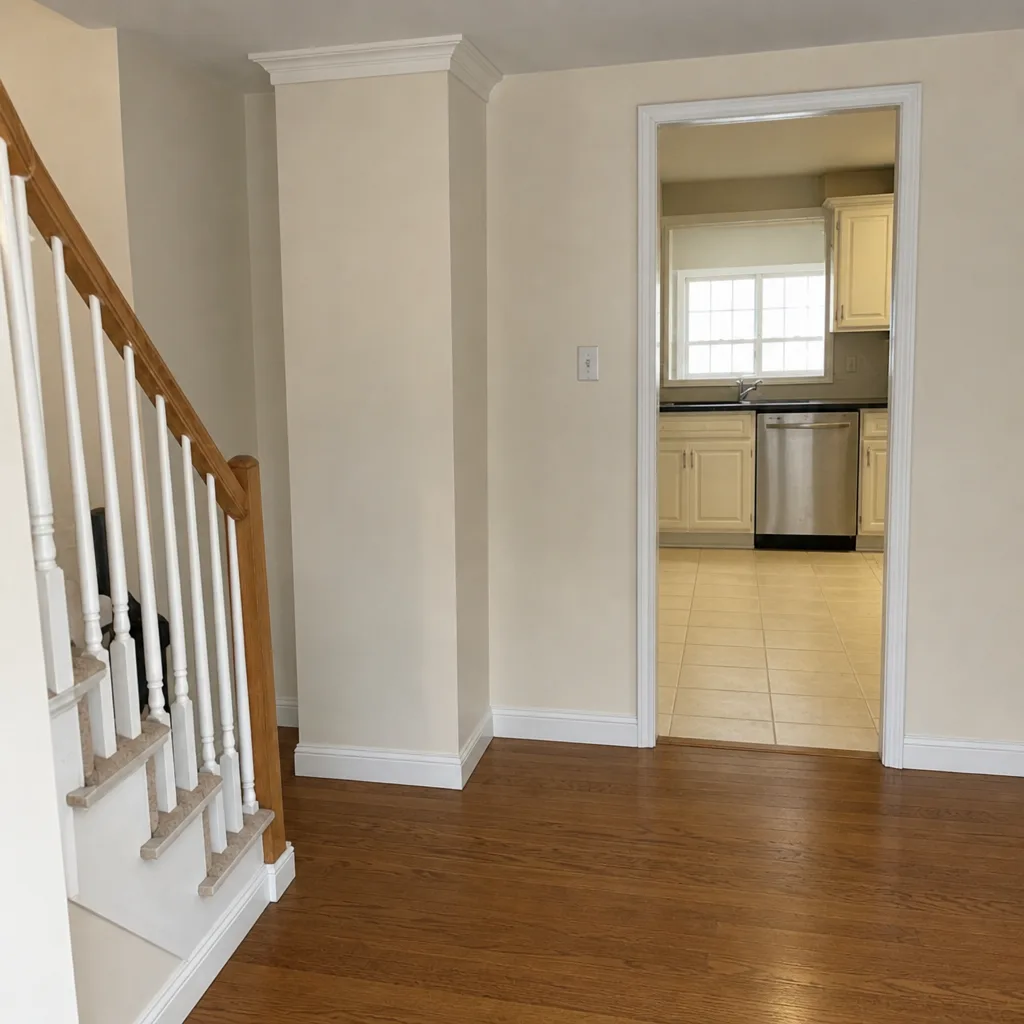 After
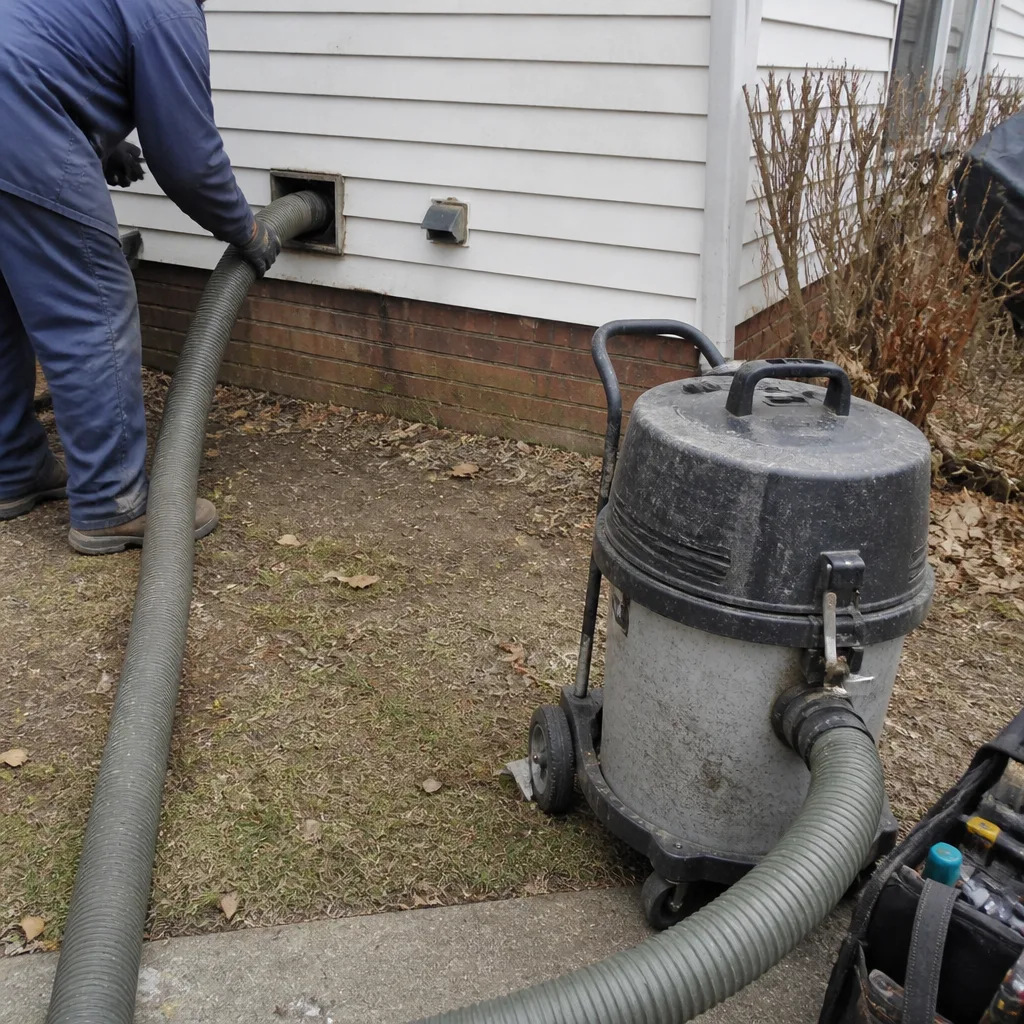 Before
 After
 Before
 After