
Last updated November 14, 2026
 Whole-home duct cleaning
 Dryer vent cleaning
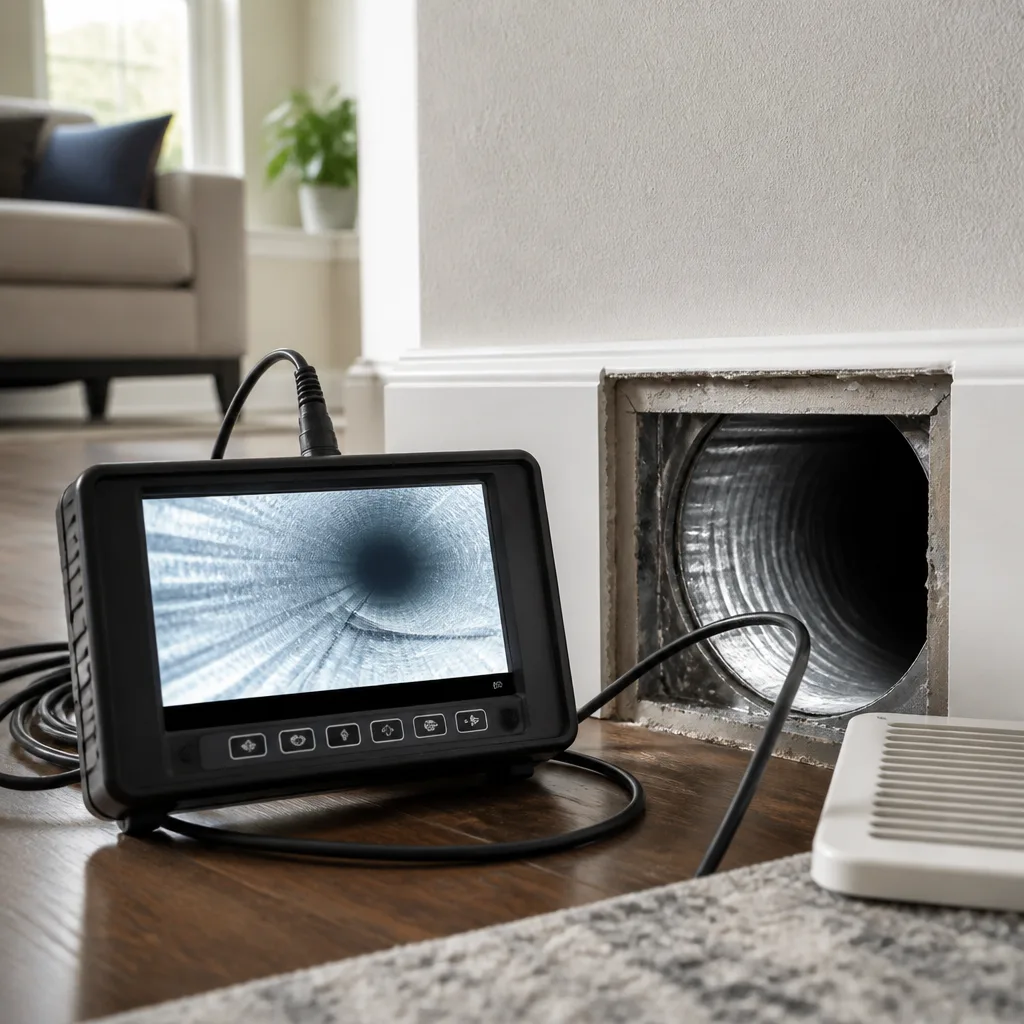 Camera inspection
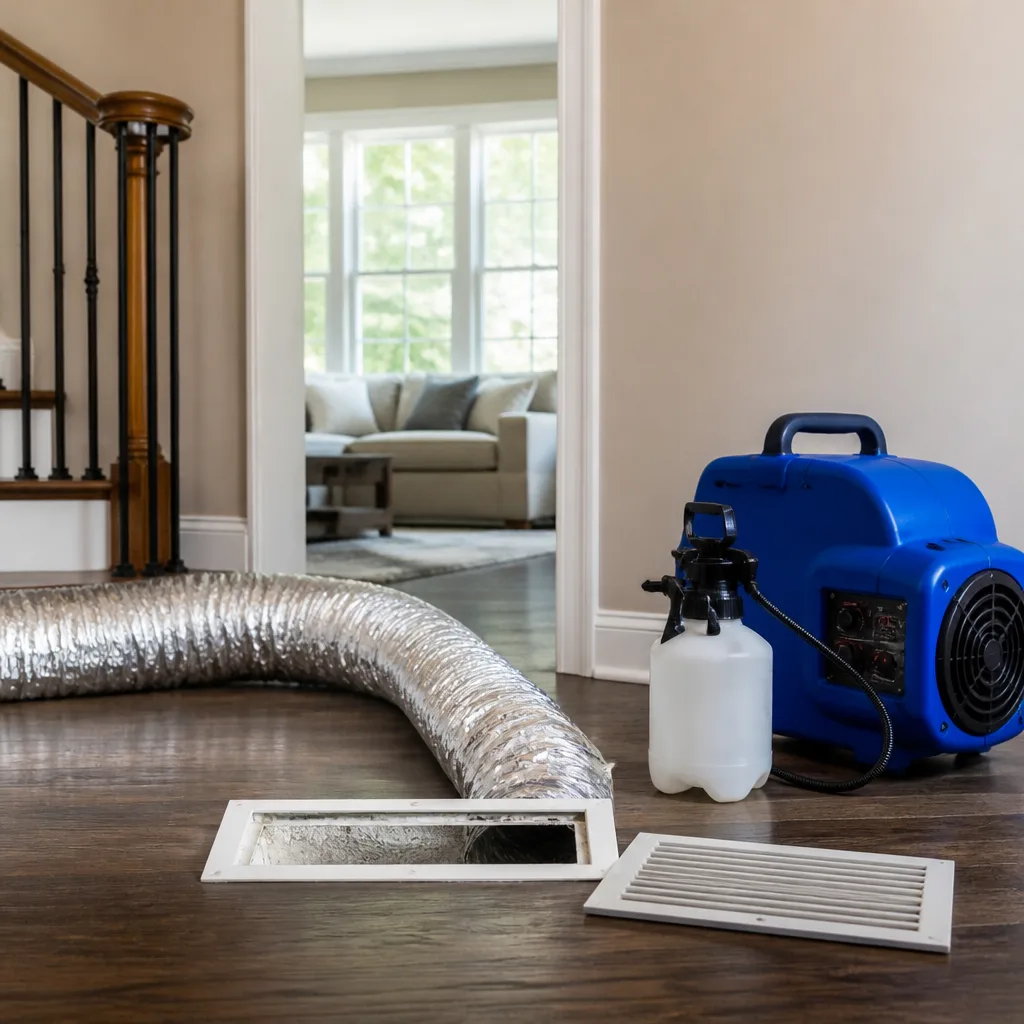 Sanitizing & deodorizing
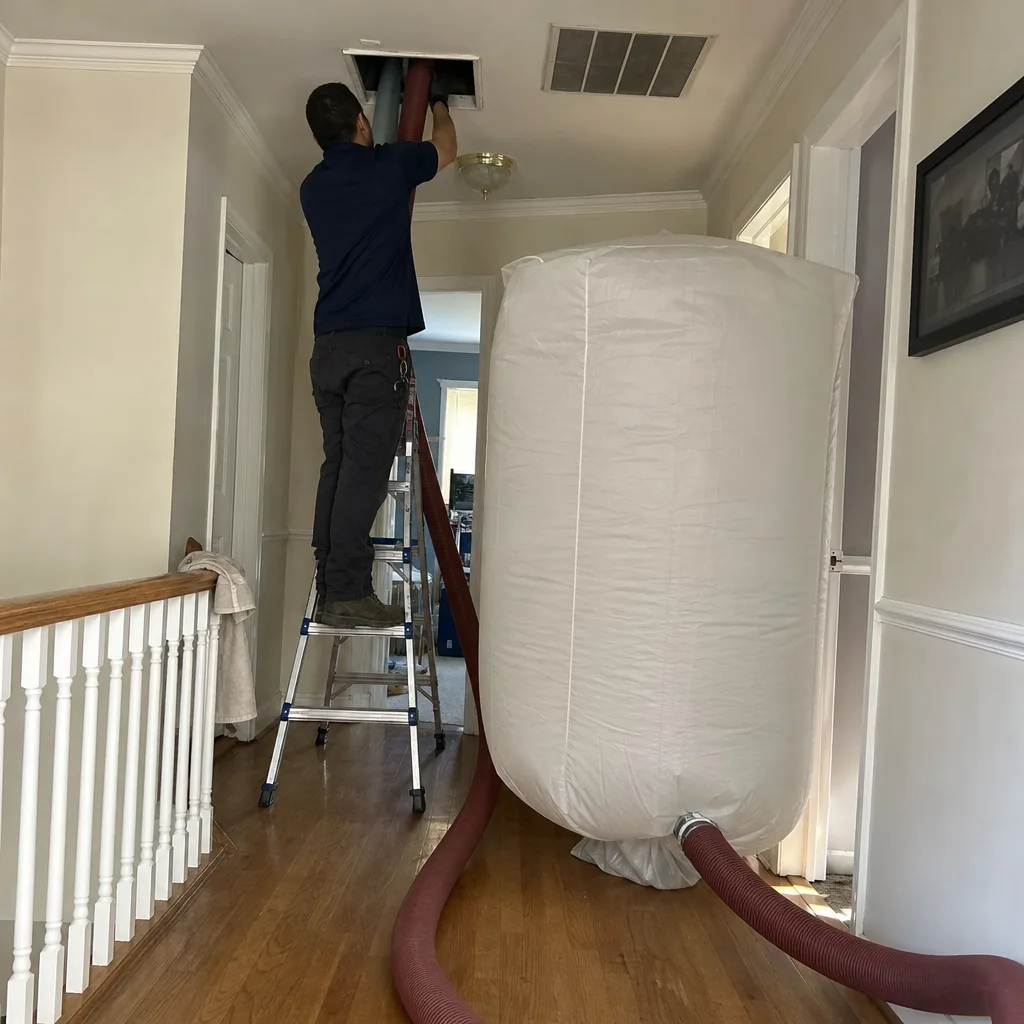
Whole-system duct and dryer vent check with before-and-after photos - you see exactly what came out of your vents
That "$99 whole-house special" is a bait ad - the real number appears once they are in your hallway, or the "clean" is a shop-vac at the register. We photograph the inside of your ducts before and after instead.
Air Duct Cleaning Cost Breakdown: The Richmond Homeowner’s Reference for 2026
A $99 whole-home duct cleaning quote and a $450 quote are not the same service with a different markup. They represent fundamentally different equipment, processes, and outcomes. And treating them as comparable is the most expensive mistake Richmond homeowners make, because the cheap quote is rarely the cheap outcome once the invoice is settled. In this guide we break down what actually drives air duct cleaning prices in Richmond, what each line item in a real quote means, and how to read a bid on technical grounds instead of just comparing the bottom number. By the end you’ll know which questions separate a thorough job from a surface pass.
Quick Answer
Air duct cleaning in Richmond typically runs $275 to $650 for a standard whole-home system in 2026, with larger two-story and split-level homes reaching $450 to $900 depending on duct count and access. The price is driven far more by how many supply and return runs you have and how accessible they are than by square footage, and the biggest gap between a cheap quote and a thorough one is the equipment: a real negative-pressure setup with HEPA filtration costs more to run than a shop-vac with a hose. The written estimate sets the final price.
Styles & brands we work with
- Whole-home duct cleaning
- Dryer vent cleaning
- Camera inspection
- Sanitizing & deodorizing
Table of Contents
- Why Richmond Duct Cleaning Quotes Vary by a Factor of Four
- The Four Real Cost Drivers in a Richmond Duct Cleaning Quote
- What the Line Items in a Legitimate Quote Actually Mean
- Why Duct Count Beats Square Footage as a Pricing Proxy
- 2026 Richmond Price Ranges by Home Type
- Add-Ons Worth Paying For vs. Add-Ons That Rarely Justify the Cost
- How to Evaluate a Duct Cleaning Quote, Step by Step
- Common Mistakes to Avoid
Why Richmond Duct Cleaning Quotes Vary by a Factor of Four
Richmond’s housing stock is one reason prices swing so widely. A block can hold a 1920s bungalow in the Fan with original plaster and narrow floor registers next to a 1990s two-story in Short Pump with flex duct running through a conditioned attic. Those two systems take completely different tooling and time to clean. When a company quotes the same flat price for both without looking, that price is a guess, not an estimate.
Equipment is the other half of the gap. A thorough job relies on a truck-mounted or high-capacity portable vacuum that pulls the whole system under negative pressure while the technician works the ducts from inside with agitation tools. That setup involves real equipment and real setup time. A minimal pass uses a lightweight shop-vac on one register at a time, stirs up dust that never leaves the house, and leaves the settled debris in the branches you can’t see. Both get called “duct cleaning” on the invoice.
Three things separate the ends of the price range:
- The vacuum. Negative-pressure systems from brands like Abatement Technologies maintain airflow strong enough to carry debris out, not just loosen it. Consumer vacuums can’t hold that pressure across a whole system.
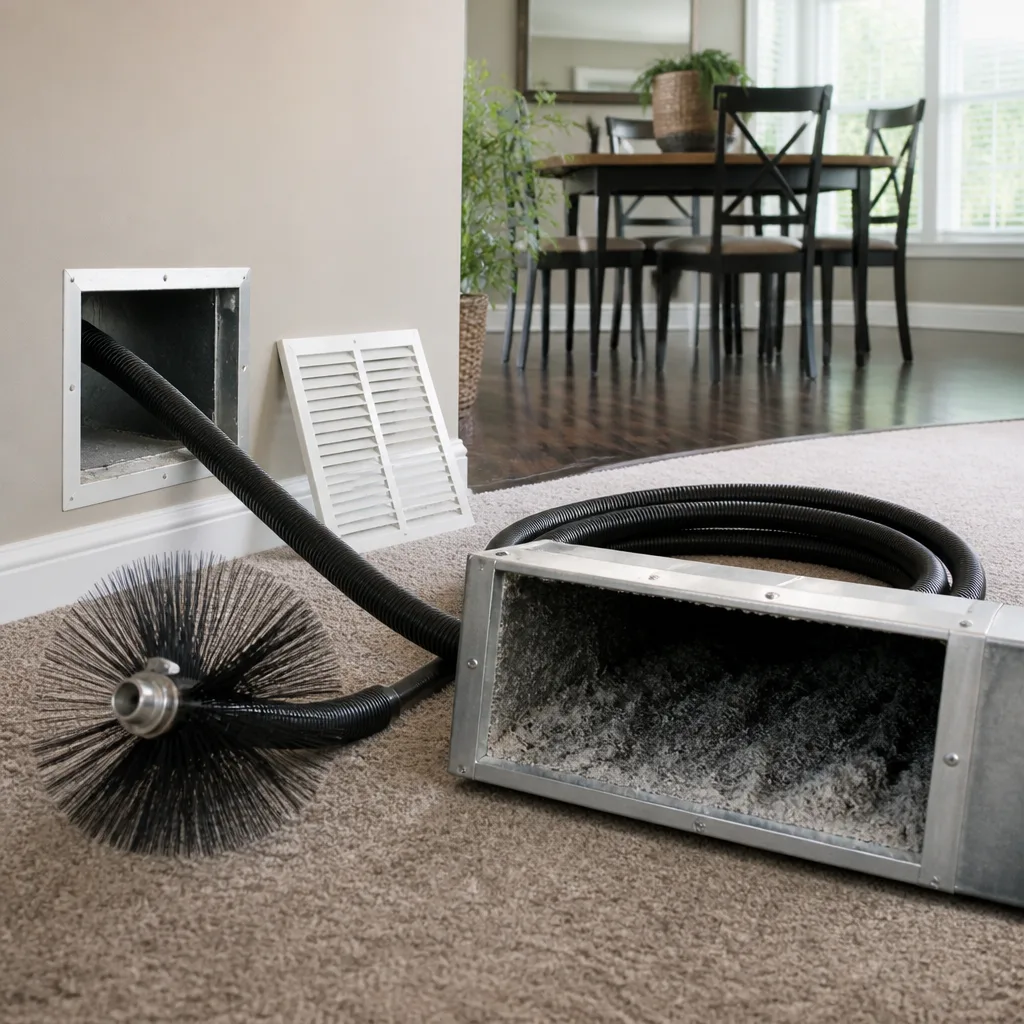
- The agitation tools. Rotobrush and Nikro rotary tools physically work the duct walls. Without them, the technician is only reaching what’s already loose.
- The time and access. Older Richmond homes with finished basements, tight attic chases, and plaster walls take longer to access. A quote that ignores that will either cut corners or come back asking for more.
None of this means the $450 quote is automatically honest. It means the number alone can’t tell you which kind of job you’re buying. That’s the entire point of this guide. And it’s why we hold to one flat price per system, agreed before any work starts, so the number you agree to is the number you pay.
The Four Real Cost Drivers in a Richmond Duct Cleaning Quote
When you strip the marketing off a duct cleaning bid, four variables explain almost all the price. Understanding them lets you compare quotes on a technical basis. Here’s how it works, in order of impact.
1. Equipment
The vacuum and filtration setup decides whether debris leaves the house or just moves around inside it. A truck-mount or high-capacity portable system paired with HEPA filtration and negative-air containment is the standard used in professional environmental remediation. That’s the class of equipment we run, using Abatement Technologies filtration equipment. It costs more to own and operate, and it’s the single biggest legitimate reason one quote lands higher than another.
2. Technician experience
Duct systems vary enough, especially in Richmond’s mix of pre-war bungalows and newer builds, that experience matters. A technician who has cleaned thousands of feet of flex duct and sheet metal knows where debris collects, how to read a register for signs of a disconnected run, and when to slow down on a fragile joint. Our technicians have up to 9 years of experience. That shows up in the invoice, and it should.
3. Number of supply and return runs
Every supply register and every return is a separate branch the technician has to reach, agitate, and pull under vacuum. A 900-square-foot Fan row house might have eight supply runs and two returns. A 2,600-square-foot two-story in the West End might have twenty supply runs and four returns, plus a trunk line and transition fittings. More runs means more time, and time is the dominant cost in any honest bid.
4. Access complexity
Access is where older Richmond homes diverge sharply from newer ones. Ceiling heights in bungalows, plaster-and-lath walls that make register removal slower, finished basements that hide the trunk line, and attic runs buried under blown insulation all add labor. A technician who gets there and finds a return buried behind a finished ceiling has to renegotiate, and a legitimate company will tell you so before work starts, in writing, on the estimate.
What the Line Items in a Legitimate Quote Actually Mean
A real duct cleaning quote names specific steps because the company is committing to doing them. Vague quotes use language that sounds thorough but obligates nothing. Here’s the translation between what you may see on paper and what it tells you about the job.
Terms that describe real work
- Negative pressure setup. The system is sealed to a high-capacity vacuum at one or more points, so the entire duct network sits under suction while work happens. Debris travels toward the vacuum, not into your rooms.
- Agitation with rotary or air tools. The technician uses mechanical brushing or high-pressure air whips to knock settled debris off the duct walls so the vacuum can carry it away. This is the step that makes the difference between a surface pass and a real cleaning. The Rotobrush and Nikro systems are built for exactly this.
- Register and vent sealing. Registers and grilles are removed, then re-sealed with foam or tape during work so nothing escapes into the house. It’s a small line that signals a careful process.
- HEPA filtration at the vacuum. Exhaust air is filtered so fine particles don’t go back into your home’s air. This is the standard in environmental abatement work, and it’s why we use Abatement Technologies filtration equipment on residential jobs.
- Guardsman-grade cleaning of duct surfaces. A surface standard that includes cleaning the duct walls, not just pulling bulk debris out of the trunk.
- Before-and-after photos. A company serious about proof documents its own work on your ducts. Ask for the photos of your system, not stock images.
Terms that often hide a minimal process
- “Full-system cleaning” with no detail on runs, vacuum, or agitation. Could mean anything.
- “Sanitized.” When this appears on a cheap quote, it often means a spray was fogged into a system that wasn’t fully cleaned first. Sanitizing a dirty duct is a waste of the spray.
- Per-vent pricing. A headline price per register is a common bait structure. The base number is low, then the technician counts your registers on arrival and the invoice climbs. We don’t quote per vent, and we recommend asking any company that does how their number holds up once they count.
If you want to see how the process itself is described in plain terms, air duct cleaning on our service page walks through each step.
Why Duct Count Beats Square Footage as a Pricing Proxy
Many companies quote by square footage because it’s easy. It’s also a poor variable. Two Richmond homes of the same floor area can have wildly different duct networks. A 1,800-square-foot two-story in Midlothian might have twenty-two supply runs and three returns. A 1,800-square-foot ranch in Lakeside, sitting on a crawlspace with a simpler trunk-fed layout, might have twelve supply runs and one return. The first takes roughly twice the work. Quoting both by the square foot gives one homeowner a bargain and the other an overpayment.
The count of supply and return runs is the more accurate driver for a few reasons:
- Every run is a branch to access. The technician has to remove the register, agitate the branch, and draw it down. Each run takes time.
- Return runs are often larger and more awkward. Panned returns under floor joists in older Richmond homes are common, and they trap debris that a supply-only pass misses.
- The trunk line adds time. A long main run serving many branches needs its own pass. Split-level homes with short, wide trunks and many branches are a different job than a long, narrow top-floor run.
- Flex vs. rigid matters. Flexible duct, common in newer builds, must be cleaned more gently. Sheet metal can take more aggressive agitation. Both need the right tool, and the choice adds or subtracts time.
When you ask for a quote, ask the company how many supply and return runs they counted. If they won’t commit to a count, they haven’t inspected the system and their price isn’t an estimate yet.
2026 Richmond Price Ranges by Home Type
The ranges below reflect what we see across Richmond in 2026 for a whole-home cleaning using negative-pressure equipment with HEPA filtration, rotary agitation, and documented before-and-after photos. They’re typical estimates, not quotes. The written estimate set after the inspection is the final price. Land on a range based on your home type, then ask for the exact number.
| Home type | Typical system profile | Estimated whole-home range |
|---|---|---|
| Ranch or bungalow, one story | 8-14 supply runs, 1-3 returns, simple trunk; often a crawlspace or attic system | $275 – $475 |
| Two-story, standard layout | 16-22 supply runs, 2-4 returns, longer trunk and transition fittings | $400 – $700 |
| Split-level or tri-level | 18-26 supply runs, 2-4 returns, staggered trunk across half-flights with multiple equipment reconnects | $450 – $900 |
| Larger custom or finished basement | 24+ supply runs, 3-5 returns, finished ceilings hiding trunk line | $700 – $1,200 |
The range for a two-story home sounds broad, and it is honest about that. A West End two-story with clean access and no surprises tends toward the middle. A Fan two-story with plaster walls, original registers, and a finished basement tends toward the top once you count access. The equipment assumption behind every range is the same: a negative-pressure system from a professional brand like Abatement Technologies paired with agitation tools. If a competing quote sits well under the bottom of the range for your home type, ask what equipment they’re bringing.
Add-Ons Worth Paying For vs. Add-Ons That Rarely Justify the Cost
Every quote includes the option to add services. Some are legitimate and worth the money. Others are designed to raise the invoice after the base price has landed. Here’s how we separate them.
Add-ons that often make sense
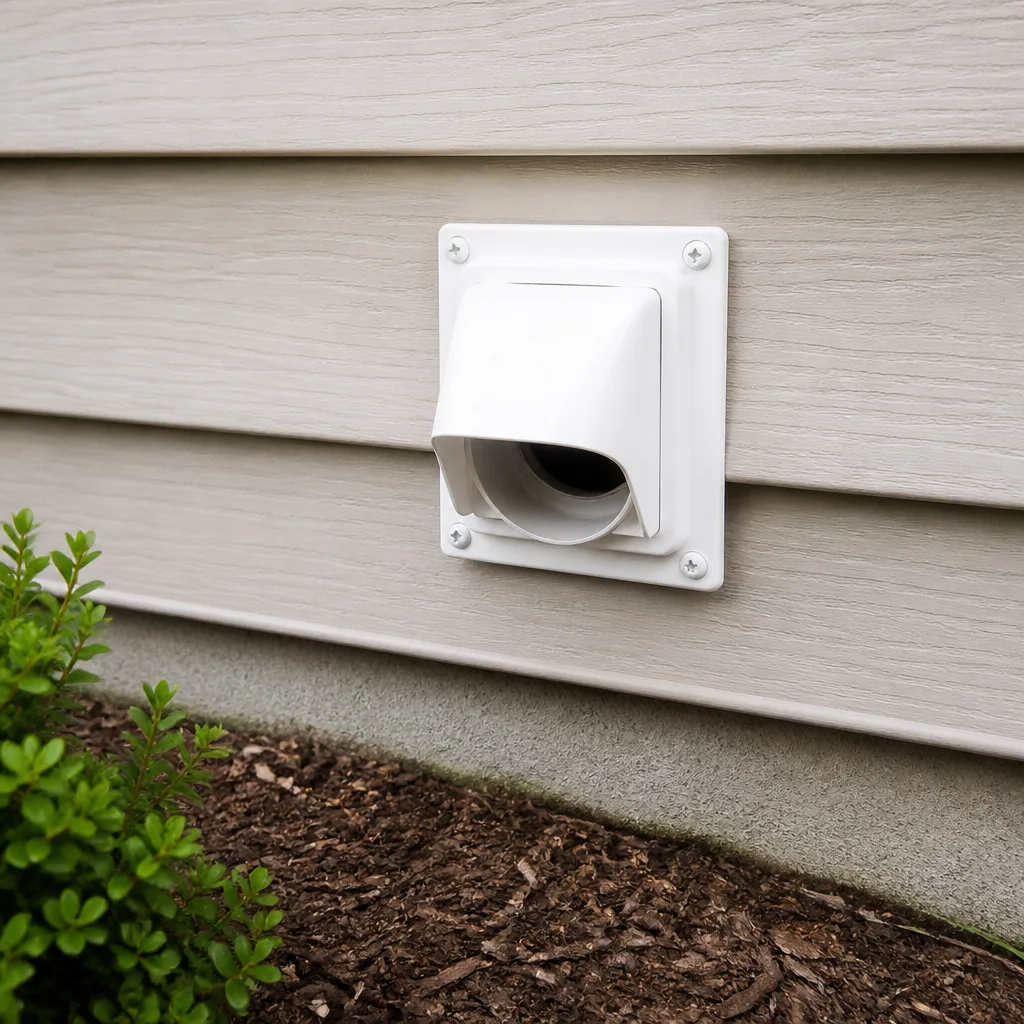
- Dryer vent cleaning. Your dryer vent is a fire risk, and we take that seriously. Lint builds inside the vent line and can ignite. If your dryer has been taking longer to cycle or the vent line runs a long distance through the house, a dedicated cleaning is a real safety step. We offer dryer vent cleaning as a separate service because it’s a separate problem from duct hygiene.
- Coil inspection. If the technician finds heavy buildup at the evaporator coil, a coil cleaning or inspection prevents restricted airflow from dragging down system efficiency. This is worth it when flagged, not as an automatic add.
- Air duct repair. If the technician finds a disconnected run, sagging flex duct, or a crushed branch, cleaning without repairing is half a job. We also offer air duct cleaning customers duct repair under the same scope, so a compromised run can be fixed rather than cleaned and left leaking.
Add-ons that rarely justify the cost
- Antimicrobial fogging as a standard add-on. Fogging a system that hasn’t been fully cleaned is spraying over dirt. If the ducts are clean and dry, a routine fog adds little. Ask what the product is treating and why.
- Deodorizers and “air freshener” treatments. These cover odors rather than remove the source. If your system smells, the fix is cleaning plus diagnosis, not scent.
- Per-vent “extra” charges for registers already inside the system. A legitimate quote covers every register serving the system in the whole-home price. If a company itemizes “additional registers” outside the base, ask them to put the full count in the written estimate before they start.
How to Evaluate a Duct Cleaning Quote, Step by Step
You can read any quote in about five minutes with a repeatable process. Here’s the one we recommend to Richmond homeowners comparing bids.
- Confirm the number of supply and return runs. Ask before they arrive. A quote that hasn’t counted your runs is a placeholder.
- Ask what vacuum equipment they’ll use. Accept no vague answer. “Truck-mount vacuum” or a named brand like Abatement Technologies or a comparable system is what you want to hear. “Portable shop vacuum” is a signal.
- Ask whether the ducts are under negative pressure during cleaning. If not, debris moves into the house instead of out.
- Ask about agitation tools. Rotary brushing or high-pressure air is how the duct walls get clean. Confirm they’re in the process, not optional.
- Ask for the price as a single flat number per system, in writing. Confirm what happens if the technician finds access problems or a damaged run. The estimate is the price; any change after that should be documented and agreed, not added at the end.
- Ask for before-and-after photos of your own ducts. This is how you know the work was actually done. A company that hesitates here is telling you something.
- Confirm what’s included around the system. Register removal and re-seal, trunk line, and both supply and return branches. If a competitor’s quote omits the trunk or returns, the number isn’t comparable.
For the local picture on scheduling and what to expect when the technician arrives, see our Richmond page. If you want a quote that answers all seven questions above before you agree to anything, that’s what we give. Call (855) 606-6205 for a free estimate.
Common Mistakes to Avoid
- Comparing a headline price to a written estimate. A cheap teaser price and a real system quote are different documents. Ask every company for the same written format so you’re comparing like with like.
- Ignoring duct count and going by square footage. Two 1,800-square-foot Richmond homes can have a different number of runs by a factor of nearly two. Count runs before comparing prices.
- Paying before a technician has inspected the system. A legitimate price is set after someone looks at your registers, trunk, and access. If the number arrives over the phone with no walk-through, expect it to move once the technician is standing in your basement.
- Skipping the return runs. Some cheap quotes clean supplies only. Returns collect some of the heaviest debris, especially in older Richmond homes with panned returns under floor joists. Confirm both are covered.
- Accepting fogging as a substitute for cleaning. If a quote leans on a spray treatment for its value proposition, the cleaning underneath is usually thin. Clean first; treat only when there’s a specific reason.
- Not asking for photos. The easiest way to confirm the work was done is before-and-after images of your own ducts. Ask upfront.
- Letting a dryer vent sit. A dryer vent that’s slow-cycling or restricted by lint buildup is a fire risk, not a ventilation nuisance. If your vent is older or longer than typical, have it inspected alongside your system cleaning.
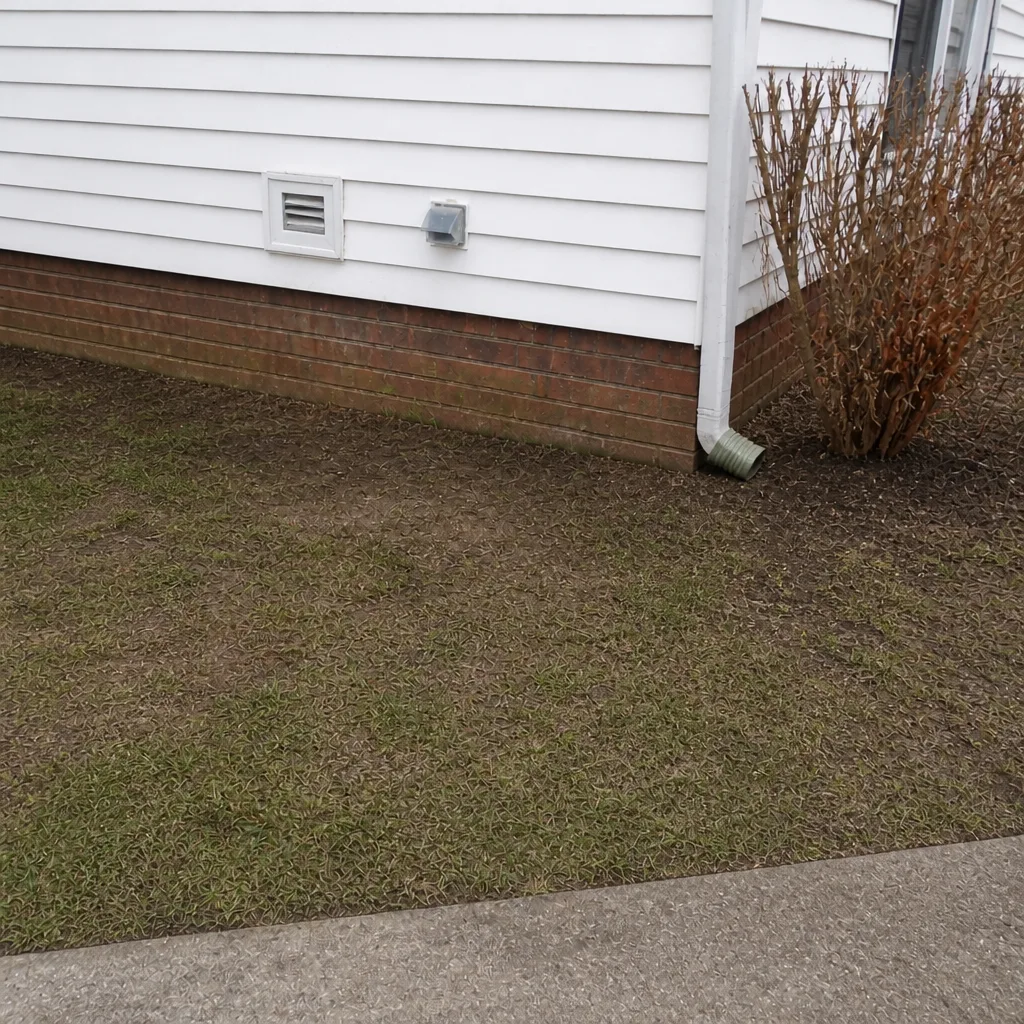
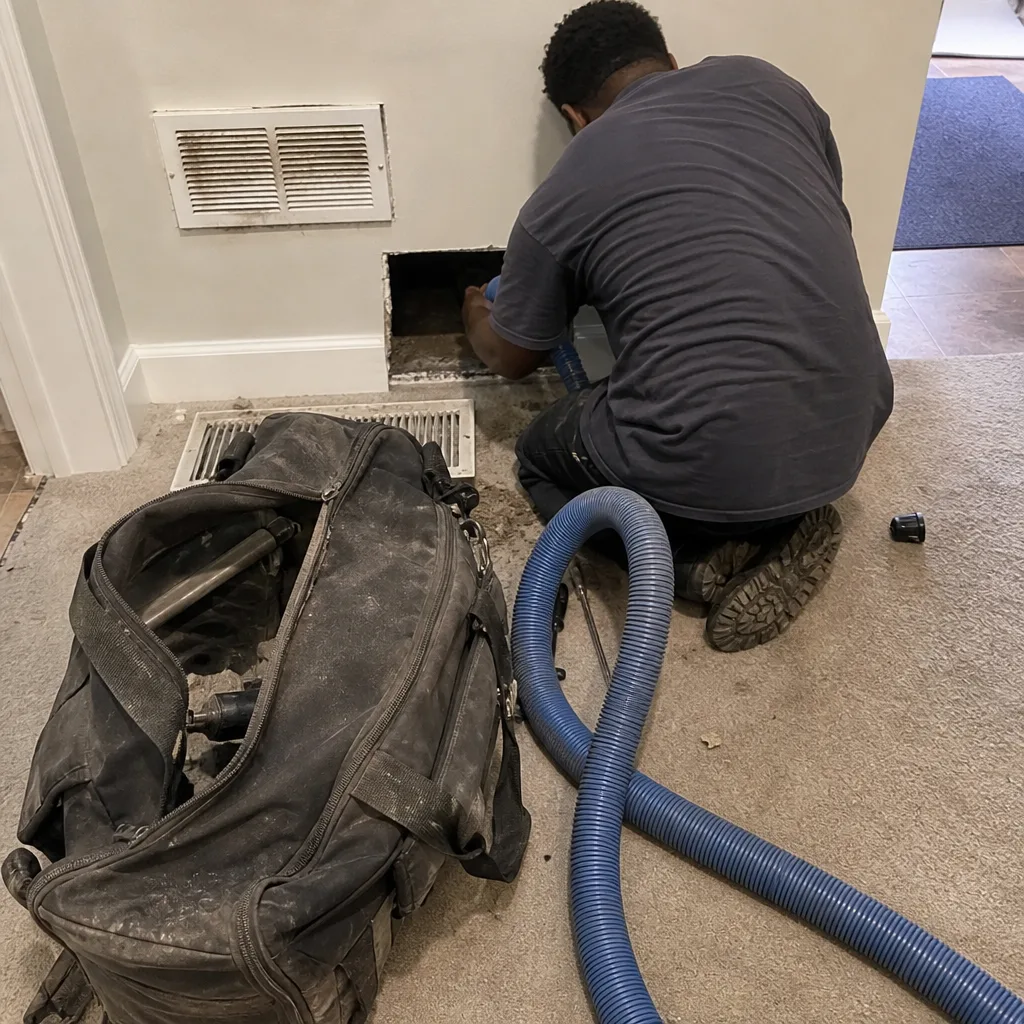
See the difference
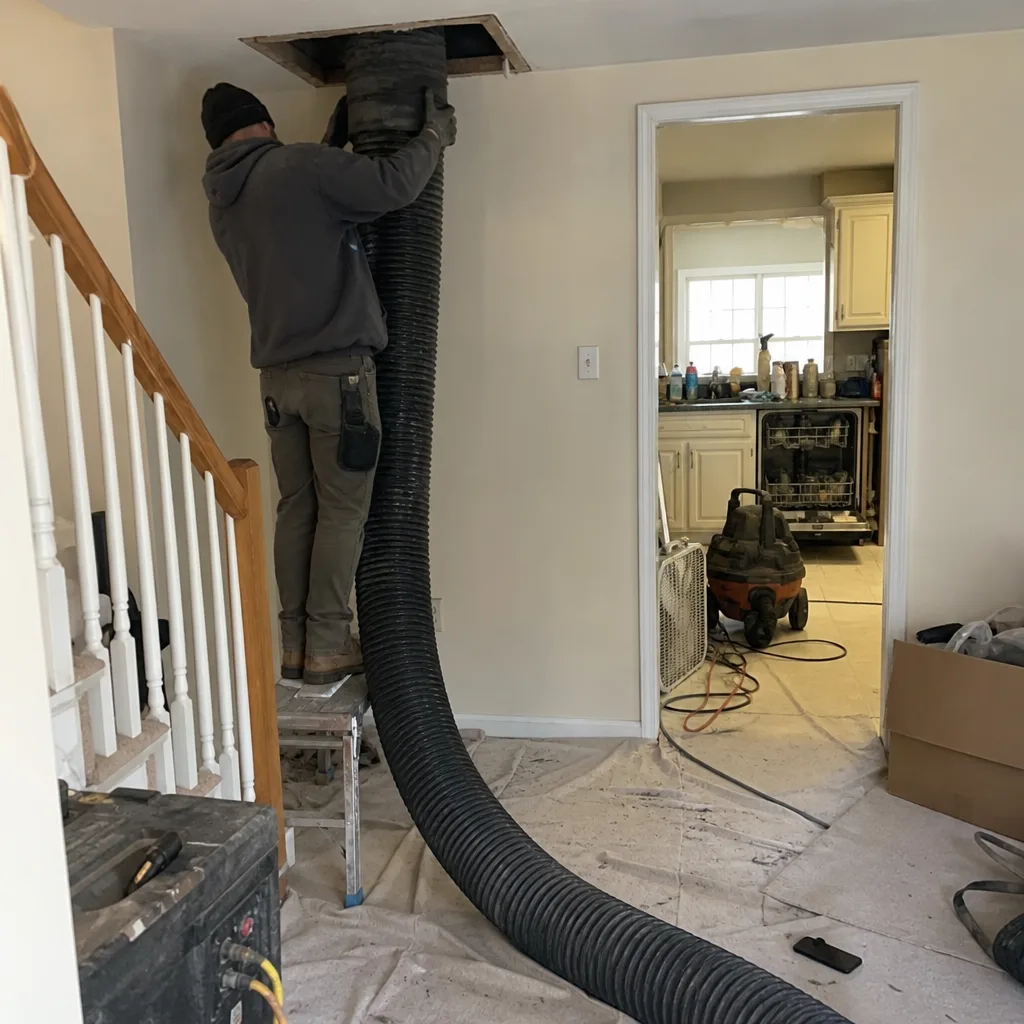 Before
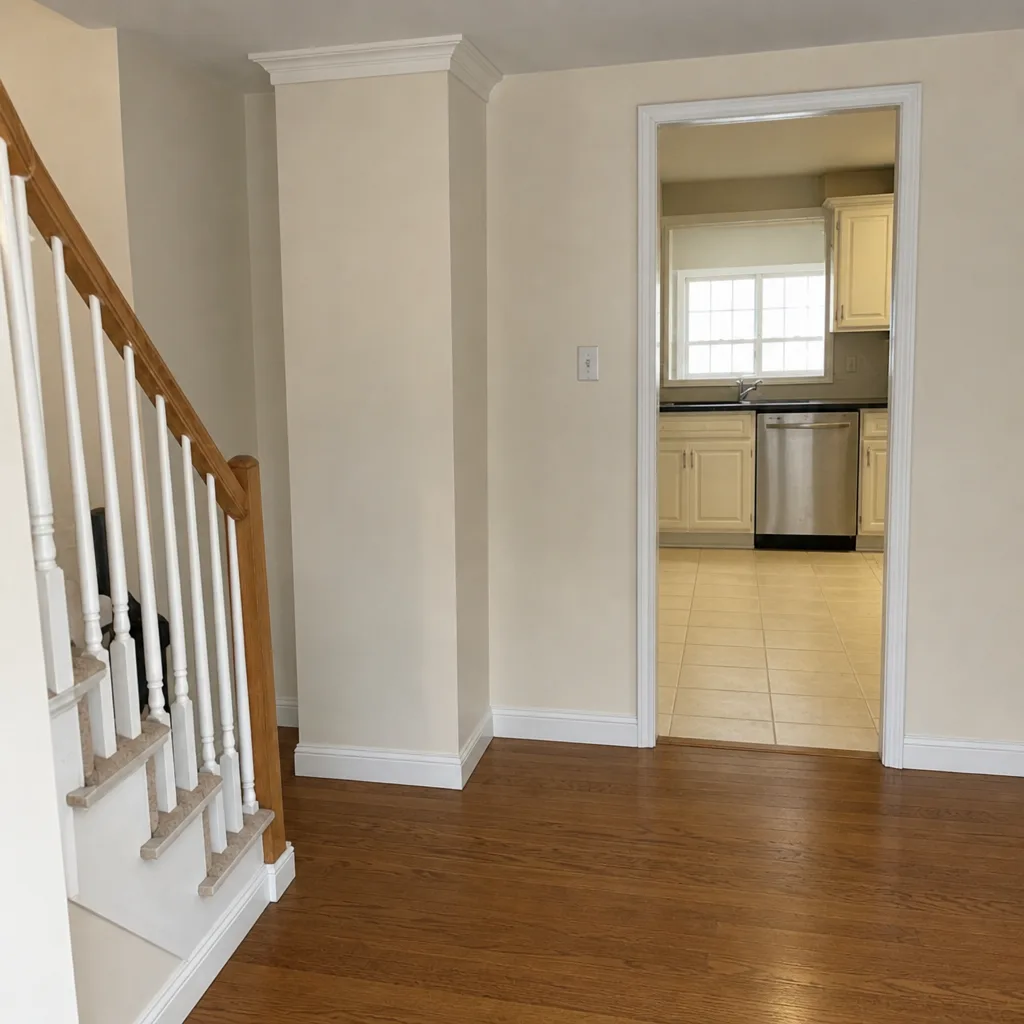 After
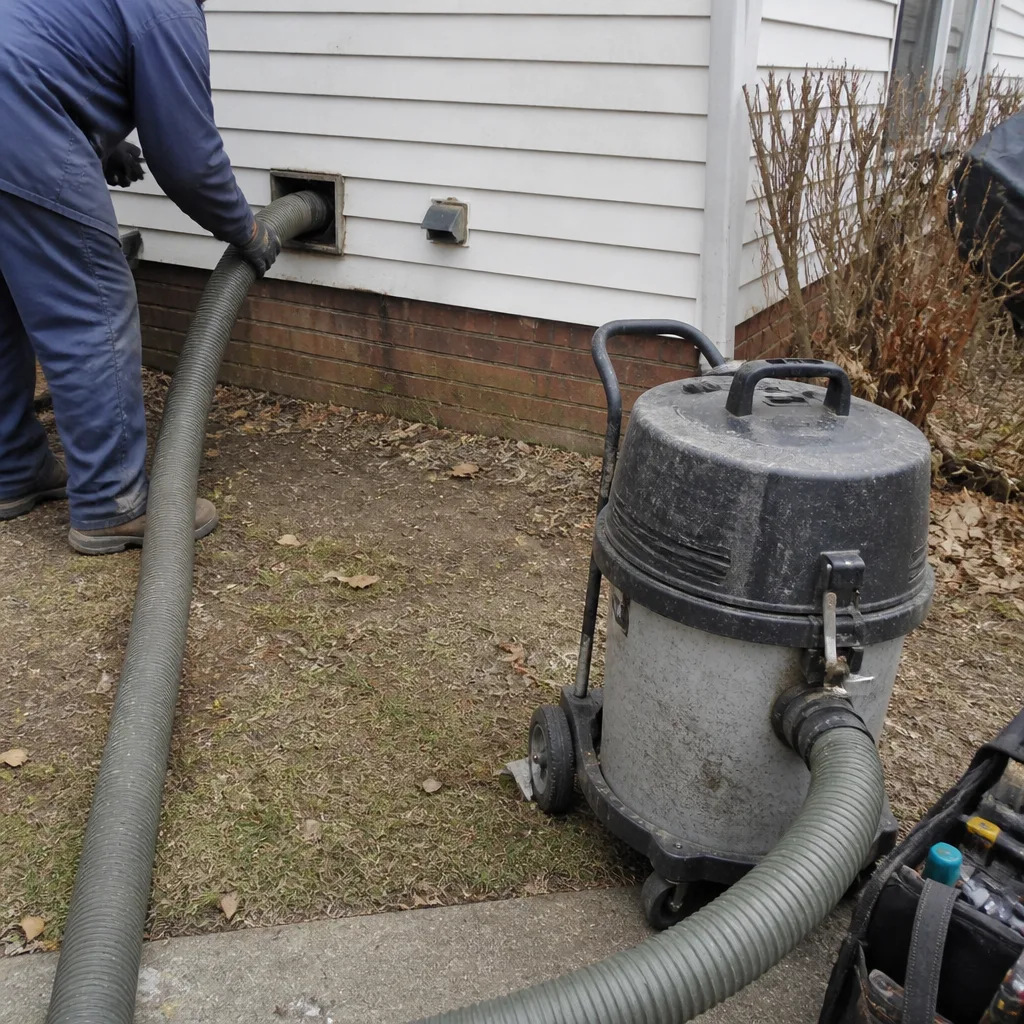 Before
 After
 Before
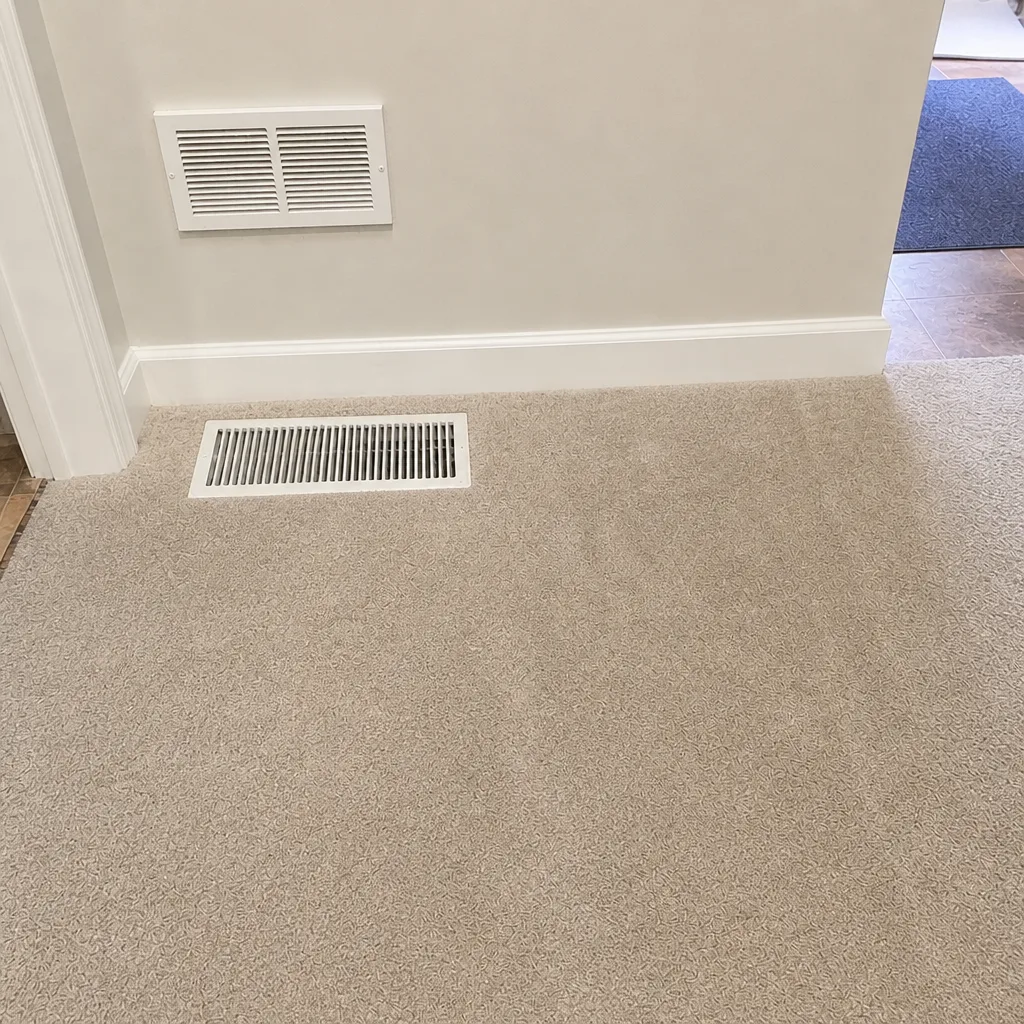 After
When to Call a Professional
Some duct work is straightforward maintenance and some signals a problem that should be looked at by a trained technician, not attempted on your own. Call a professional if:
- You’ve had a major renovation and drywall dust or sawdust may have entered the returns.
- An HVAC inspection flagged visible buildup, disconnected runs, or a crushed flex duct.
- You recently moved into a Richmond home and don’t know the last time the system was cleaned.
- Allergy symptoms or persistent dust in the house aren’t explained by anything else.
- Your dryer takes noticeably longer to cycle than it used to, or the vent line runs long through the house.
Duct systems are low-risk to handle compared to electrical or gas work, but a compromised run, a crushed flex branch, or a disconnected supply can cause real airflow problems if you try to fix it yourself. Leave the repair to a trained technician. Rutherford Air Duct Cleaning offers free estimates in Richmond; call (855) 606-6205 for a written estimate. We answer 24/7.
Frequently Asked Questions
Air duct cleaning in Richmond typically runs $275 to $650 for a standard whole-home system in 2026, with larger two-story and split-level homes reaching $450 to $900 and some custom homes higher. The written estimate sets the final price. Call (855) 606-6205 for an exact quote, because the number depends on how many runs your system has and how accessible they are.
Cheap quotes are usually a different service, not the same service marked down. They often rely on a light shop vacuum instead of a negative-pressure system with HEPA filtration, skip rotary agitation tools, clean only the supply registers, and price per vent to keep the base number low. The gap isn’t a discount; it’s missing equipment and missing steps. A written quote that names the vacuum, the agitation tooling, and both returns tells you what you’re actually buying.
Ask for before-and-after photos of your own ducts. A thorough cleaning leaves visible evidence on the register boxes, trunk line, and branch interiors, and any company serious about the work will document its own job. We hold to one flat price per system, agreed before work starts, and provide before-and-after photos of your ducts as part of the job. Call (855) 606-6205 for an estimate.
There’s no universal interval. Most homes do fine with a cleaning every three to five years, but a major renovation, a recent move, a new pet, or a system that’s been running with a dirty filter can shorten that. If you’ve had visible debris, allergy symptoms, or a recent renovation, have it looked at sooner. Call (855) 606-6205 for a free estimate and we’ll give you a straight answer on timing.
Yes, for pricing purposes. Square footage misses the variable that drives labor: how many supply and return branches a system has and how accessible they are. Richmond’s mix of 1920s bungalows and newer two-story homes means two houses of the same size can have vastly different run counts. Ask any company to confirm their run count before you compare their number to another.
Often yes. When the technician finds a disconnected run, sagging flex duct, or a crushed branch, repairing it as part of the same job avoids a second visit and a second setup charge. We offer air duct repair alongside cleaning exactly because a cleaned system with a broken run will keep pulling unfiltered air. If your home has older ductwork, ask for a repair-capable company when you book.
The Bottom Line
Air duct cleaning prices in Richmond vary by a factor of four or more because the underlying jobs are different, and the most expensive mistake you can make is comparing the numbers without comparing the work. The four cost drivers are equipment, technician experience, run count, and access. A legitimate quote names the vacuum, the agitation tools, and the register and return coverage; a thin quote leans on a per-vent teaser, a spray, or a square-foot guess. Ask for a run count, a flat price per system in writing, and before-and-after photos of your own ducts. If you want to see how that’s done, see Rutherford Air Duct Cleaning or call (855) 606-6205 for a free estimate. We answer 24/7. Fast dispatch from 7am to 7pm, Sunday through Friday.
Written by the team at Rutherford Air Duct Cleaning.