
Last updated November 14, 2026
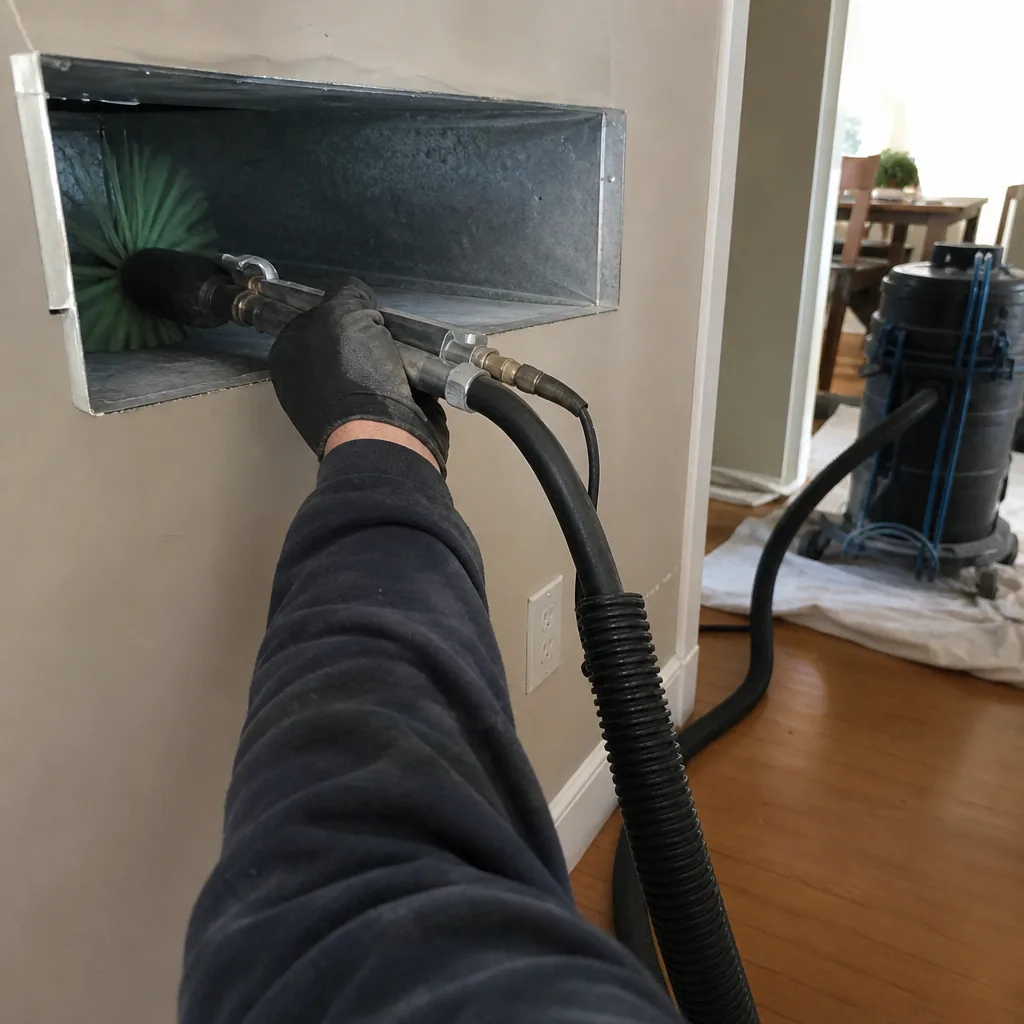
 Whole-home duct cleaning
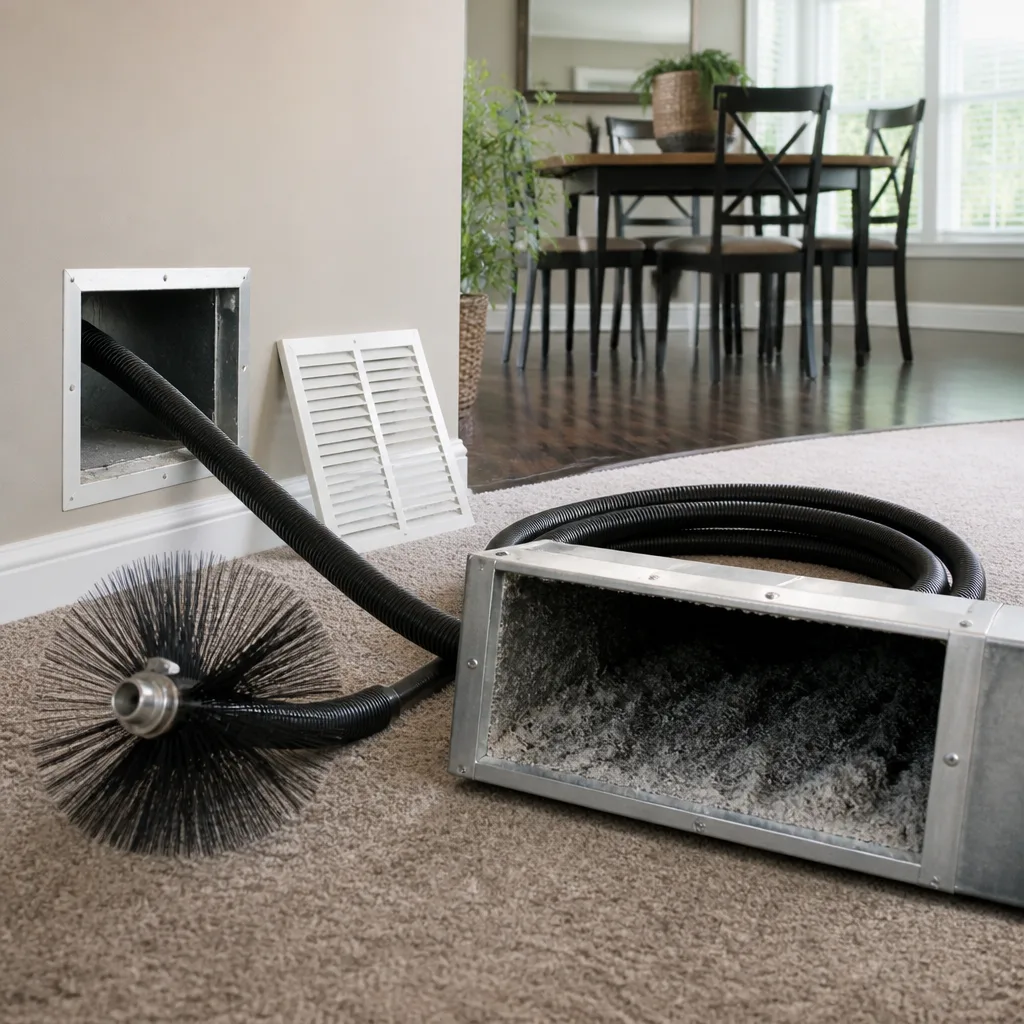
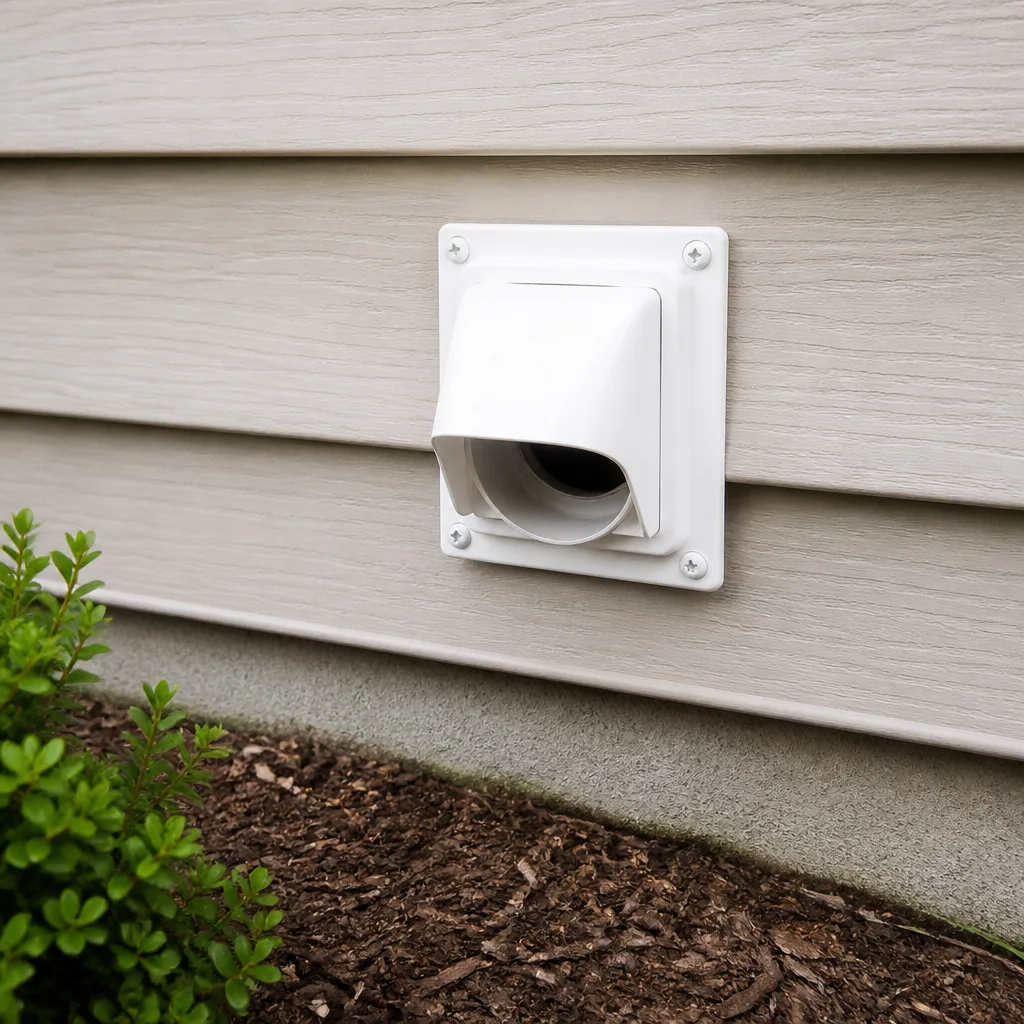 Dryer vent cleaning
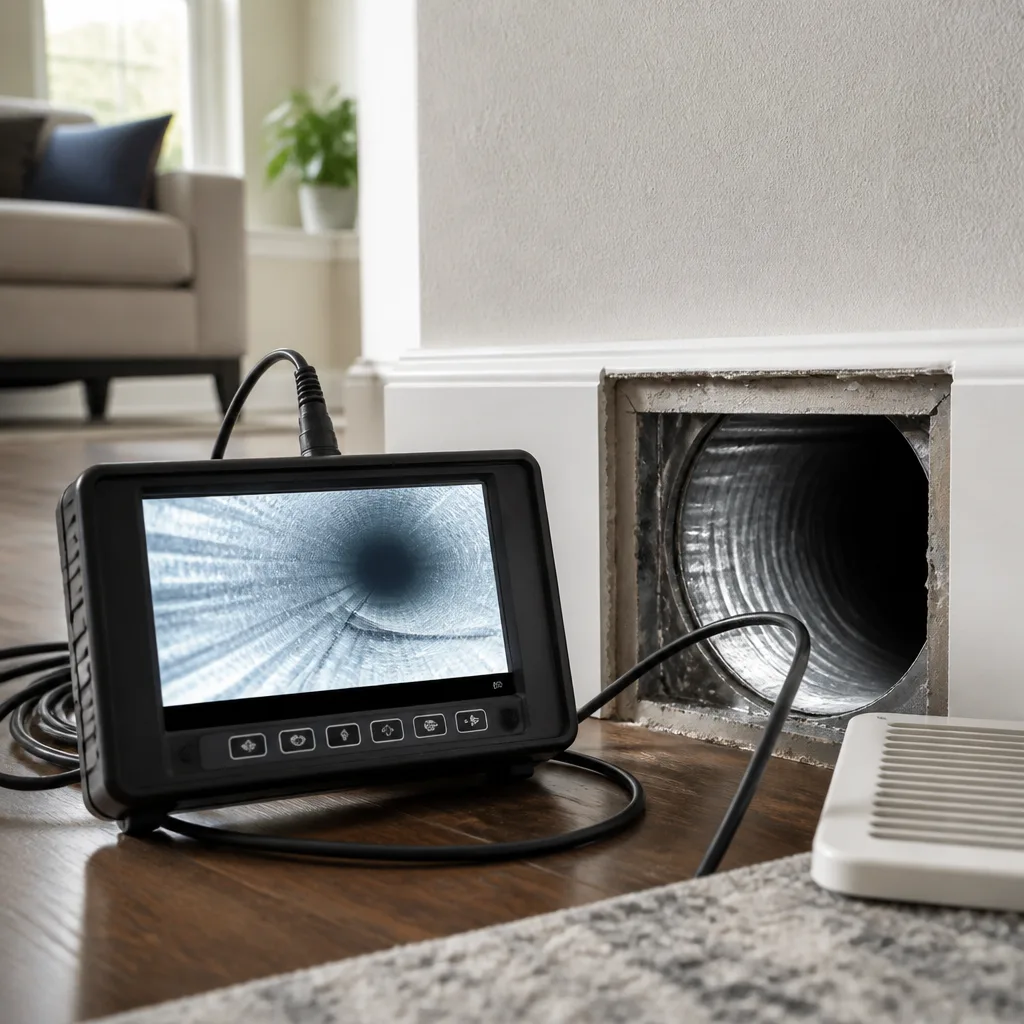 Camera inspection
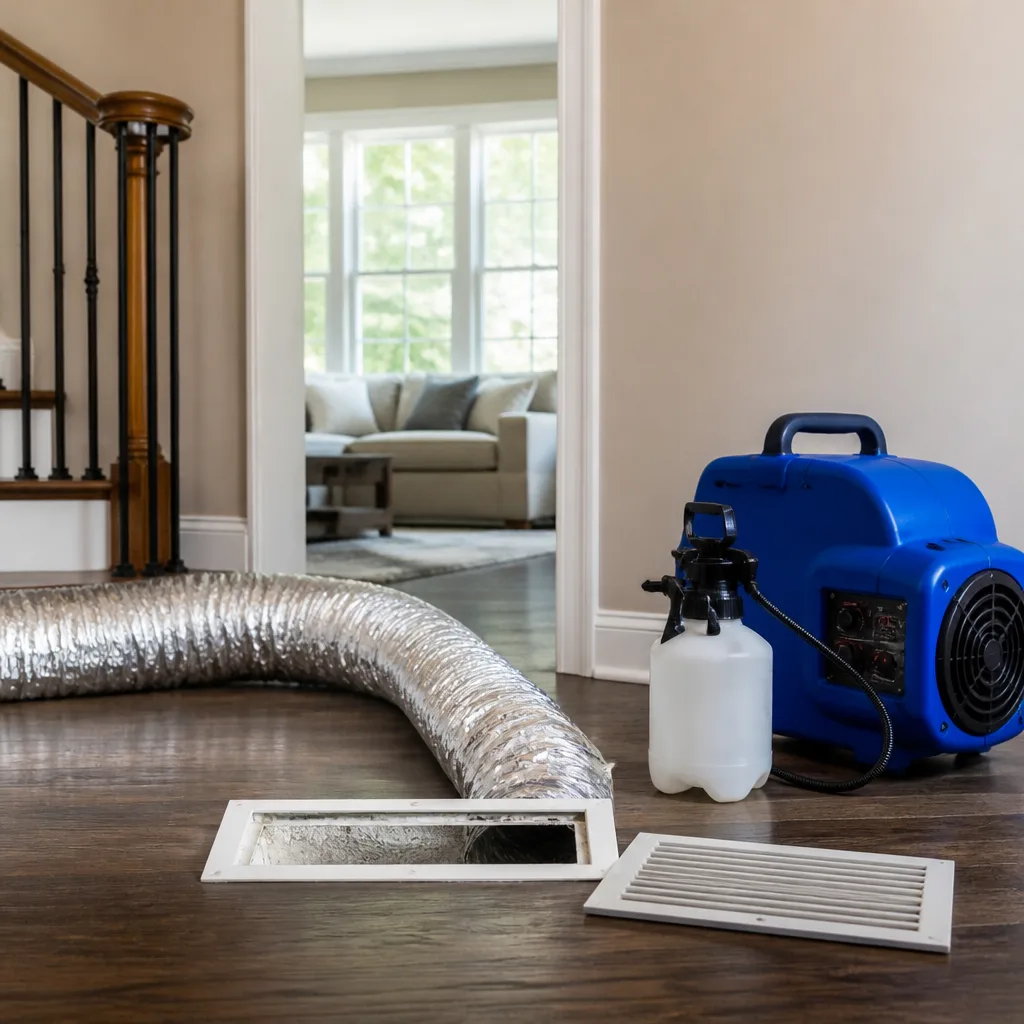 Sanitizing & deodorizing
Whole-system duct and dryer vent check with before-and-after photos - you see exactly what came out of your vents
That "$99 whole-house special" is a bait ad - the real number appears once they are in your hallway, or the "clean" is a shop-vac at the register. We photograph the inside of your ducts before and after instead.
Air Duct Cleaning Warning Signs: A Richmond Homeowner’s Reference Guide
Dust on your registers is the last sign something is wrong with your ducts, not the first. By the time it’s visible, the system has usually been underperforming for months, and the dust you can see is only the fraction that made it past the filter and settled where you happened to notice it. The signs that matter most in a Richmond home are quieter: a room that never quite cools, a filter that loads up faster than it used to, an odor that shows up only in certain seasons. This guide walks through the diagnostic signals we look for on Richmond duct systems, so you can tell the difference between a cosmetic annoyance and a problem worth acting on.
Quick Answer
Air duct cleaning is worth investigating in Richmond when you notice performance symptoms, not just appearance symptoms: uneven room temperatures, filters clogging faster than your normal replacement interval, musty odors that appear only during cooling season, or visible debris blowing from supply registers. Those point to contamination or restriction inside the duct system rather than surface dust, and a professional inspection confirms which before you spend money on cleaning you may not need.
Styles & brands we work with
- Whole-home duct cleaning
- Dryer vent cleaning
- Camera inspection
- Sanitizing & deodorizing
Table of Contents
- Uneven Room Temperatures: A Restriction Signal, Not Just Sizing
- The Smell Profile That Tells You What’s Actually in Your Ducts
- Filter Loading Rate: The Early-Warning Metric Most Homeowners Miss
- Richmond Crawl Space Ducts: A Seasonal Pattern Worth Knowing
- Upstream vs. Downstream: Reading Which Rooms Show Symptoms First
- The Visible Warning Signs (and What They Really Mean)
- Dryer Vent Warning Signs That Are a Safety Matter
- How a Professional Assessment Actually Works
Uneven Room Temperatures: A Restriction Signal, Not Just Sizing
An upstairs bedroom that runs three degrees warmer than the rest of the house is the most common complaint we hear across Richmond, and it’s also the most frequently misdiagnosed. Homeowners assume the HVAC system is undersized and start shopping for a bigger unit. Sometimes that’s true. More often, the air handler is moving enough air, but a portion of it never reaches the rooms that need it because a branch run is crushed, disconnected, or packed with debris.
To decide which it is, look at how the unevenness behaves:
- Consistent gap, every season: the same room is always warmer in summer and cooler in winter. That pattern points to a delivery problem, not a capacity problem.
- Worsening over time: the gap was a degree a few years ago and is now four. That’s a slow restriction, usually debris buildup or a duct that’s sagging and pinching shut.
- Tied to a specific branch: one room, or a group of rooms sharing a trunk, is off while the rest of the house is fine. That tells you to inspect the branch run, not the equipment.
- Whole-house weakness: every room feels weak, which usually points back to the air handler, a return-side restriction, or a dirty evaporator coil rather than the ducts themselves.
The practical step is to have airflow measured at the registers in the problem rooms and compared against the rooms that work well. That measurement separates “the equipment can’t keep up” from “the air can’t get there,” and only one of those is a duct cleaning question. In our experience in Richmond older neighborhoods, homes with original or partially replaced ductwork are the ones where branch-side restrictions show up most.
The Smell Profile That Tells You What’s Actually in Your Ducts
The smell coming from your vents is diagnostic. Dust accumulation and microbial growth produce different odor profiles, and the distinction matters because they call for different responses. A dusty, dry, closed-up smell that’s strongest when the system first kicks on is usually accumulated dust and debris on duct surfaces getting stirred up. A damp, musty, basement-like smell that lingers and gets worse in humid weather points toward moisture and biological growth somewhere in the system.
Here’s the rough breakdown:
- Dust smell: dry, faintly chalky, noticeable in the first minute of airflow and then fades. Cleaning addresses it directly.
- Musty or earthy smell: persistent, worse in summer, strongest near the floor registers or anywhere the ducts pass through unconditioned space. That smell suggests moisture, and cleaning alone won’t fix a moisture source.
- Sharp or acrid smell: less common but worth flagging to a technician. It can indicate an electrical issue at the air handler and deserves prompt attention rather than a cleaning appointment.
- Odor only in one zone: if the smell is confined to specific rooms, the contamination is likely in that branch run rather than the whole system.
Why the distinction changes your service: if the reading is microbial growth driven by condensation, insulation that’s been wet, or a duct running through a damp crawl space, we need to find and correct that moisture path before or alongside cleaning. Filtration upgrades built around systems like Honeywell and Aprilaire filters help control airborne particulates, but they don’t fix a wet duct. Cleaning a duct that stays wet just resets the problem.
Filter Loading Rate: The Early-Warning Metric Most Homeowners Miss
If your filters used to last six months and now they’re gray and matted at two, that change is telling you something. A filter is a sampling device for the whole return path. When it loads faster with no change in household activity (no new pets, no renovation, no extra occupants), the most likely explanation is that more material is entering the return side from inside the duct system itself.
The usual causes, roughly in order of frequency:
- Breaks in the return duct. A disconnected return joint or a cracked boot pulls unconditioned air, and everything in that space, from the attic or crawl space, straight into the return path.
- Debris shedding from duct surfaces. As accumulation on the inside of the ducts dries and cracks, it releases content into the airstream, and the filter catches it.
- A dirty evaporator coil or blower wheel. Debris that slips past the filter collects on wet or spinning components and changes the pressure profile of the whole system, which changes how much dust reaches the filter.
- Return-side leakage near a crawl space. Common in Richmond homes where the return trunk runs through an unconditioned crawl.
The useful habit is a simple log: write the date on the filter housing each time you change a filter. Three or four replacement dates in a row gives you a baseline you can compare against, which is a far better signal than a one-time look. If your interval has shortened noticeably, that’s a reasonable point to have the return side inspected. Cleaning without checking for the leak source just restarts the clock.
Richmond Crawl Space Ducts: A Seasonal Pattern Worth Knowing
A large share of Richmond’s older housing stock, particularly in areas with pier-and-beam or partial crawl-space construction, runs a portion of the duct system through unconditioned space beneath the floor. That construction detail produces a warning sign pattern you won’t see in homes with slab-on-grade or fully conditioned basements: an odor or a humidity symptom that appears only during cooling season and disappears every winter.
Here’s why. In summer, cool air moves through ducts that sit in humid crawl space air. Any place the insulation jacket is compromised, at a joint, a boot connection, or a section where the wrap has sagged or been knocked loose, condensation forms on the cold duct surface. That moisture wets the insulation and can begin to affect the duct surface inside. When winter comes and the same ducts carry warm air, the surface stays above dew point and the condensation stops, so the smell goes away. The problem never actually left. It’s just dormant.
If you notice these signs, the ducts need inspection, not just cleaning:
- Musty odor from floor registers that shows up when air conditioning starts and fades when you switch to heat.
- Visible condensation, water staining, or sagging insulation on ducts visible from a crawl space access.
- Cooling bills that climb even as the equipment is serviced and confirmed to be running normally.
- Cold floors in winter over the crawl area, which can indicate duct leakage.
Crawl space duct problems usually need duct repair as well as cleaning, since resealing and re-insulating a compromised run is what stops the moisture cycle. Our air duct cleaning visits start with inspection for exactly this reason.
Upstream vs. Downstream: Reading Which Rooms Show Symptoms First
The earliest symptom tells you where in the system the problem is. Air moves from the return grille into the air handler, then out through the supply trunk and into branch runs and boots that feed individual rooms. If the problem originated upstream at the air handler, all the downstream branches inherit it, and symptoms show up house-wide or in a wide pattern. If the problem originated in a branch run or a boot, only the rooms fed by that branch show symptoms, and everything else stays normal.
To establish which, rank the rooms by symptom severity:
- Write out a simple list of every room in the house and note which ones feel weak, dusty, or odorous.
- Look for the pattern. Rooms that share a common duct run or trunk grouping suggest a branch issue. Rooms spread across the house suggest an upstream issue.
- Check the return side. A single strongly affected room next to the air handler with no other symptoms often means return leakage right at the unit.
- Look at the ducts you can see. At the air handler, at boots under registers, and anywhere ducts run through visible space. Crushed flex duct, disconnected joints, and torn insulation often reveal a downstream problem at a glance.
Upstream contamination is a bigger job, since it affects the whole supply side and usually means cleaning the main trunk plus all branches. Downstream contamination is more targeted. The distinction matters for the estimate, since the scope of the work follows directly from where the problem starts.
The Visible Warning Signs (and What They Really Mean)
The visible signs are the ones everyone knows about, and they’re still worth a section, because they don’t all mean the same thing. Not every visible sign requires cleaning.
- Dust streaks on the ceiling or wall around a register: this is often a filter gap or a leaking return pulling air through an unsealed gap around the register frame. Sealing the gap is often what fixes it.
- Debris blowing from a supply register: visible debris emerging from a supply register under normal airflow is a real sign of accumulation inside the duct and justifies inspection.
- Visible dust on the supply grill itself: can be normal accumulation over months, especially near kitchens, and doesn’t necessarily mean deep duct contamination.
- Debris falling from a return grille: this points to a return-side problem, and if the return runs through a crawl space, it usually means a leak is pulling crawl air into the return path.
- Darkening around bare sheet metal or an unsealed duct joint: the joint is leaking, which drops system efficiency and pulls unconditioned or crawl space air into the supply path.
The point is that visible dust on its own isn’t a diagnosis. The picture sharpens when you combine what you can see with the performance symptoms covered above. A register with a dust streak and no other symptom is a different problem than a register with a dust streak on the warmest room in the house.
Dryer Vent Warning Signs That Are a Safety Matter
Dryer vent restriction symptoms overlap with duct symptoms but carry a different level of concern: lint accumulation in a dryer vent restricts airflow and creates a fire-safety condition. This is separate from your HVAC ducts, and we treat it as its own service for good reason.
Signs your dryer vent is restricted:
- Clothes taking noticeably longer than usual to dry, especially with no change in the dryer itself.
- The dryer cabinet or the top of the machine gets hot to the touch during a normal cycle.
- A burning or musty smell near the dryer or the exterior vent.
- Lint visible around the exterior vent flap or a flap that doesn’t open fully during operation.
- A second dryer cycle needed on heavy items like towels and jeans that used to dry in one.
This is the service we treat as a straightforward safety matter rather than an optional add-on. dryer vent cleaning is a dedicated service for that reason, and the visual inspection is as important as the cleaning itself, since it confirms the vent is running clear end to end.
How a Professional Assessment Actually Works
A proper assessment is inspection first, cleaning only if inspection justifies it. We use Abatement Technologies air filtration equipment, the same negative-air and HEPA-filtration tools used in professional remediation work, which matters in a Richmond home because it means what comes out of the ducts goes into a filter, not into the room. Cleaning equipment is from Rotobrush and Nikro, both professional-grade systems built for duct interiors rather than a shop vac and a hose.
The process typically runs like this:
- Inspection. We look at the air handler, the accessible supply and return runs, the crawl space or attic ducts, and the register boots. We note breaks, disconnected joints, and compromised insulation.
- Source diagnosis. Visible debris and moisture are documented, and we identify whether the source is upstream, downstream, or both.
- Scope recommendation. Some homes need a full system cleaning, others only specific branches, and some need duct repair before any cleaning is useful.
- Cleaning. Duct surfaces are cleaned to a Guardsman-grade standard using negative pressure so dislodged debris is captured rather than spread.
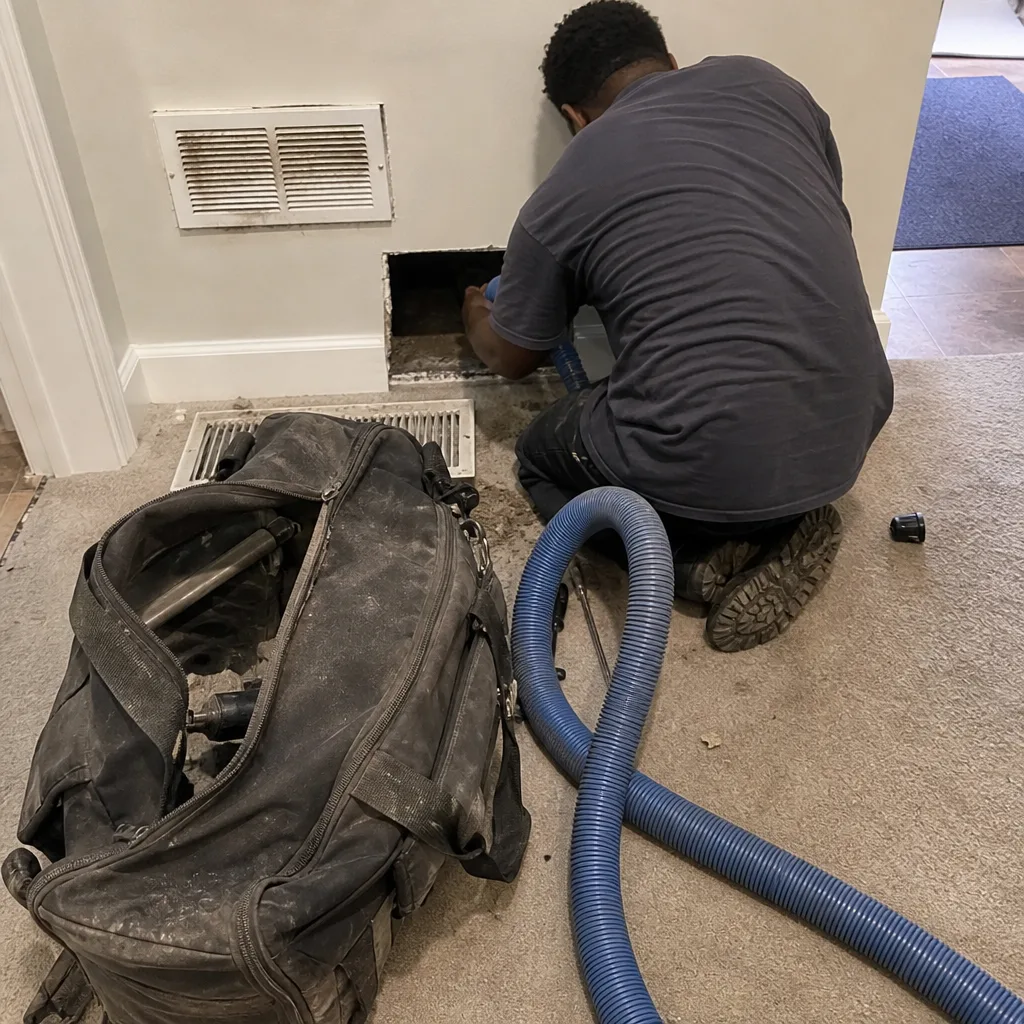
- Documentation. Before-and-after photographs of your own ducts let you confirm the work that was actually done.
One flat price per system, agreed before work begins, with no per-vent pricing and no teaser pricing. That’s how we quote duct cleaning, and it’s how we’d want to be quoted if we were the ones paying.
Common Mistakes to Avoid
- Treating visible register dust as the whole diagnosis. A dust streak alone tells you very little. Combine it with a filter loading log and a room-by-room temperature check before you decide on service.
- Buying a cheap coupon cleaning without a scope. A teaser price that gets expanded at the door is the classic bait-and-switch pattern in duct cleaning. Insist on a written price per system, in advance, before the technicians arrive.
- Ignoring crawl space ducts because they’re out of sight. Richmond homes with return or branch ducts running beneath the floor are the ones where seasonal musty odors originate. Those ducts need inspection even when the upstairs ducts look fine.
- Cleaning without fixing the leak source. A disconnected return joint or a crushed branch will re-contaminate a freshly cleaned system in months. Correct the source, then clean.
- Assuming all filters should last the same. Filter loading rate is a signal. If your interval drops by half with no change in household activity, the filter is telling you something about the return path.
- Treating the dryer vent as optional. A restricted dryer vent affects drying time and, more importantly, is a lint-fire hazard. It’s a separate service from HVAC ductwork and it’s worth doing on its own schedule.
- Believing a size-up will solve uneven cooling. If one room is consistently off, measure airflow at the registers before you replace equipment. A restricted branch is cheaper to diagnose and fix than a replacement HVAC system.
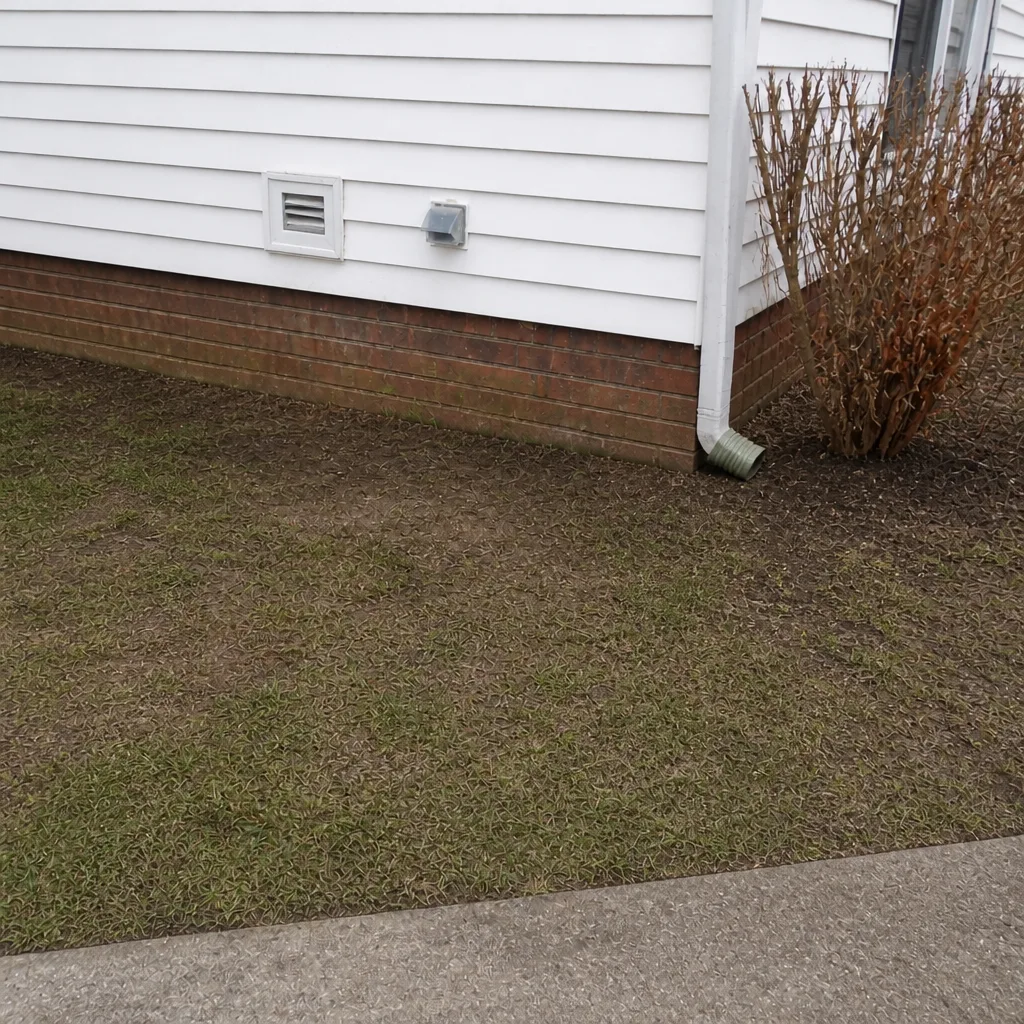
See the difference
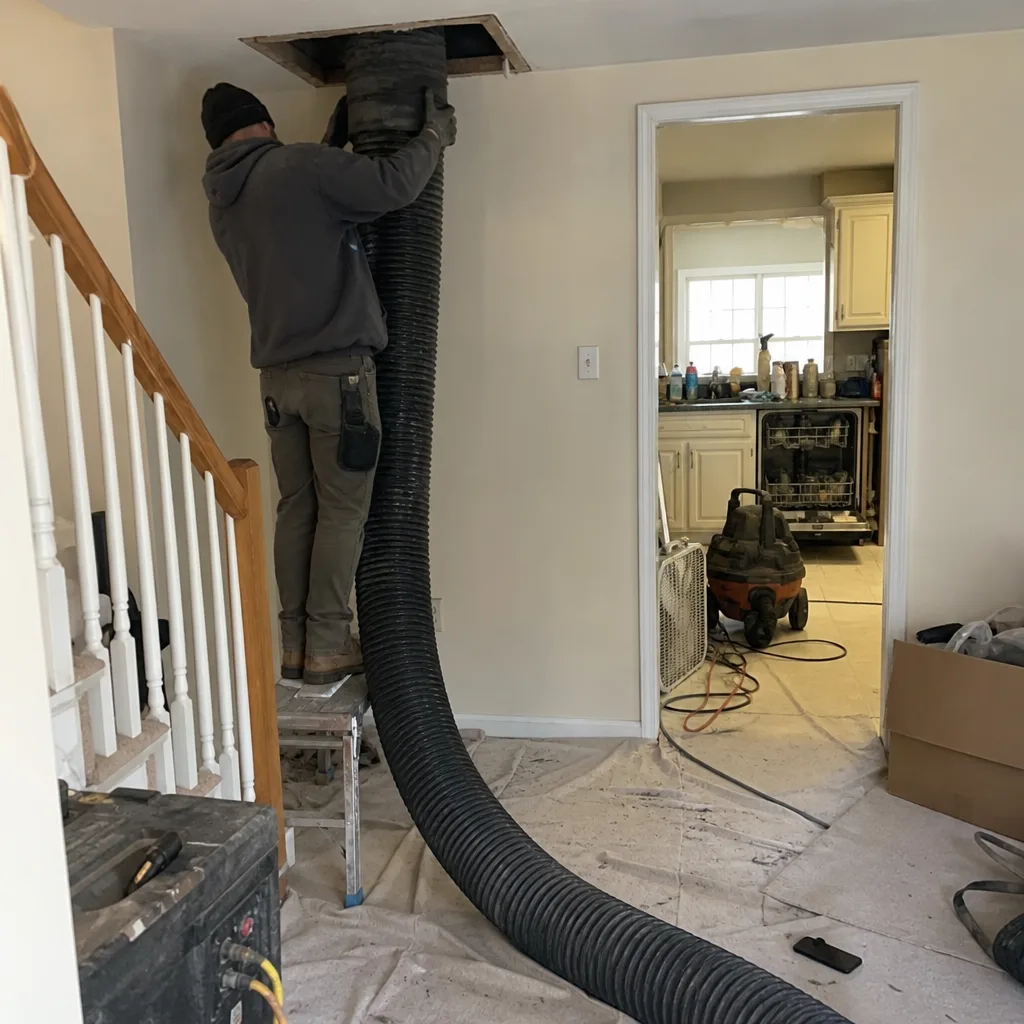 Before
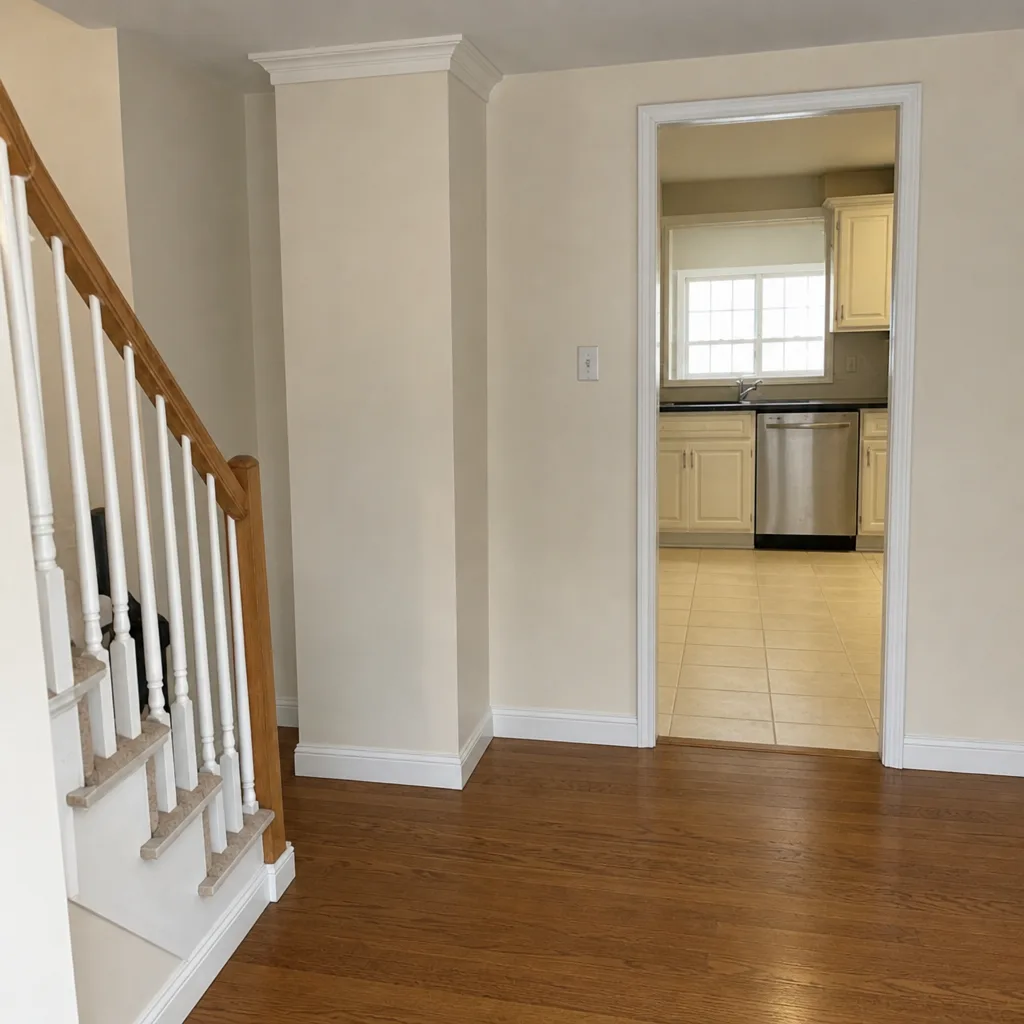 After
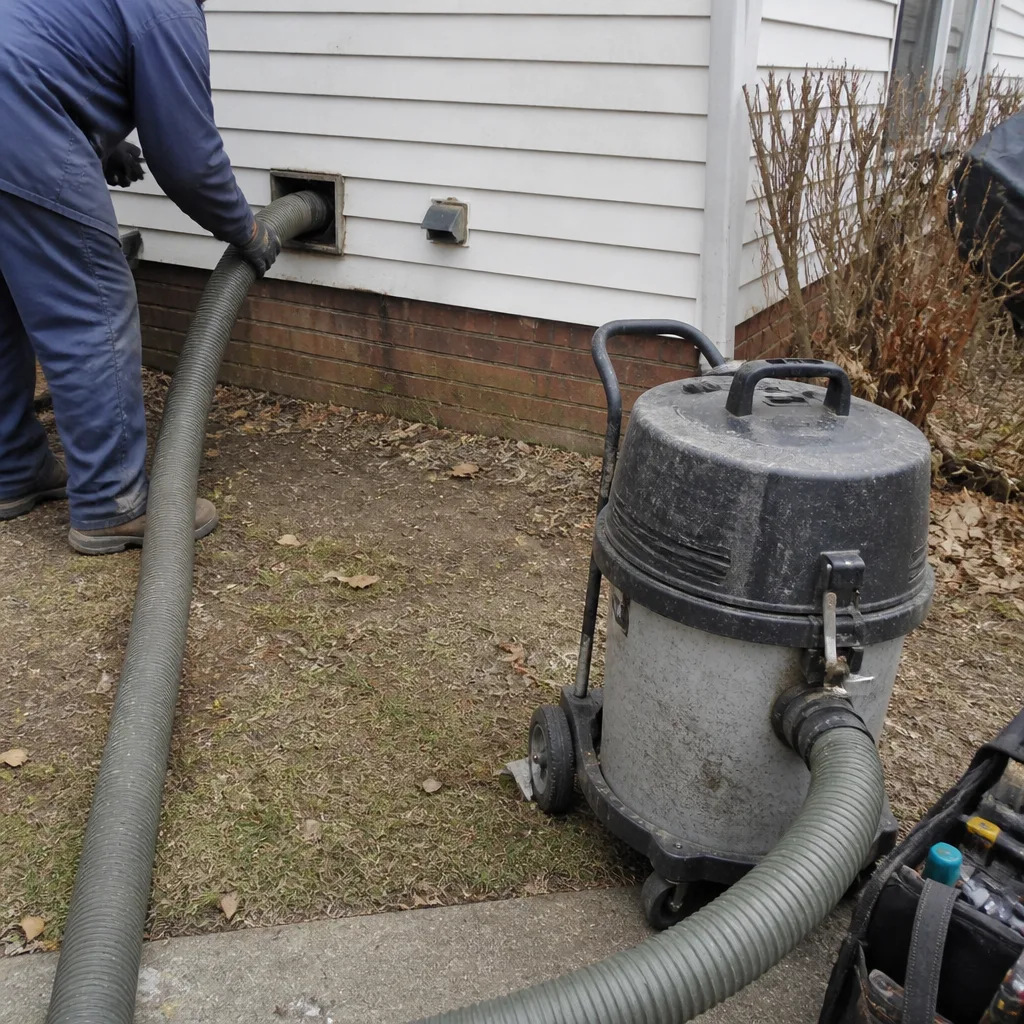 Before
 After
 Before
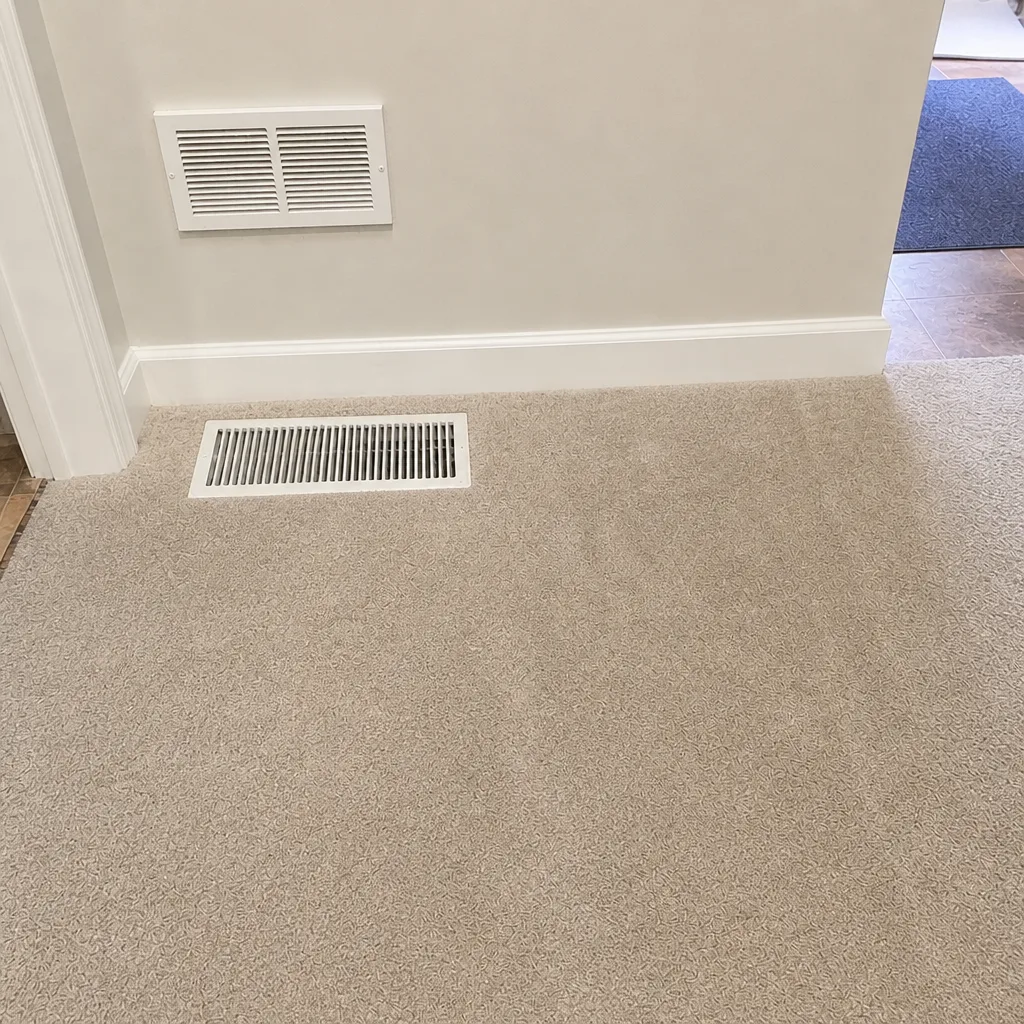 After
When to Call a Professional
Call a professional when a performance symptom persists across more than one season, when filter loading rate has shortened noticeably without household changes, when a musty odor returns every cooling season, when debris is visibly blowing from a supply register, or when a dryer takes materially longer to complete a cycle. Richmond homeowners with crawl space duct systems should treat a seasonal odor pattern as a signal worth an inspection even if everything else looks normal. The dangerous components of this trade belong in trained hands, and we don’t suggest homeowners open insulation jackets or work near duct joints in a crawl space themselves. Rutherford Air Duct Cleaning offers free estimates in Richmond. Call (855) 606-6205. We answer 24/7. Fast dispatch from 7am to 7pm, Sunday through Friday.
Frequently Asked Questions
Duct cleaning pricing varies with system size, how many branches and registers you have, and whether duct repair is needed alongside cleaning. We set one flat price per system, agreed in writing before work starts, with no per-vent pricing and no teaser coupon figures. Call (855) 606-6205 for an exact quote – estimates are free.
Low-coupon quotes usually price a nominal job and count on expanding the scope once the technicians are on site, or they run a vacuum with no real containment and skip the inspection. The better question is what’s in the written scope: are they inspecting the return side, using negative-air filtration, and documenting the work with before-and-after photographs of your ducts? Call (855) 606-6205 for an exact quote – estimates are free.
Ask for before-and-after photographs of your own ducts, taken during the job. Any specialist using professional equipment should be able to document what they found, what they cleaned, and what the ducts look like after. If a company can’t show you photographs of your ducts, you have no way to verify the work. Call (855) 606-6205 for an exact quote – estimates are free.
There is no universal interval. Many homes go several years without needing service, while homes with crawl space ducts, recent renovation dust, or a filter loading rate that has shortened need inspection sooner. Let the symptoms drive the decision, not a calendar. Call (855) 606-6205 for an exact quote – estimates are free.
We repair ductwork as well, which matters because a cleaning without fixing the leak source just restarts the problem. Disconnected joints, crushed branches, and damaged insulation at boots are typical of what we correct during a repair visit. Call (855) 606-6205 for an exact quote – estimates are free.
Yes. Dryer vent cleaning is a dedicated service, since lint restriction is a fire-safety matter and not an HVAC performance question. Signs like a longer drying cycle, a hot dryer cabinet, or a musty smell near the machine are worth an inspection. Call (855) 606-6205 for an exact quote – estimates are free.
The Bottom Line
The warning signs worth acting on in a Richmond home are performance signals, not appearance signals. Uneven room temperatures that follow a branch pattern, a filter loading rate that’s shortened with no change in the household, a musty odor that returns every cooling season in a home with crawl space ducts, and debris visibly blowing from a supply register all point to contamination or restriction inside the system. Visible register dust is the least informative of the signs. If you’ve spotted any of the diagnostic symptoms in this guide, have a professional inspect before you decide on cleaning, and insist on a scope with photos. If you want a straight answer on whether your ducts need service, Rutherford Air Duct Cleaning is here to help. Call (855) 606-6205. We answer 24/7. Fast dispatch from 7am to 7pm, Sunday through Friday.
Written by the team at Rutherford Air Duct Cleaning.