
Last updated November 14, 2026
 Whole-home duct cleaning
 Dryer vent cleaning
 Camera inspection
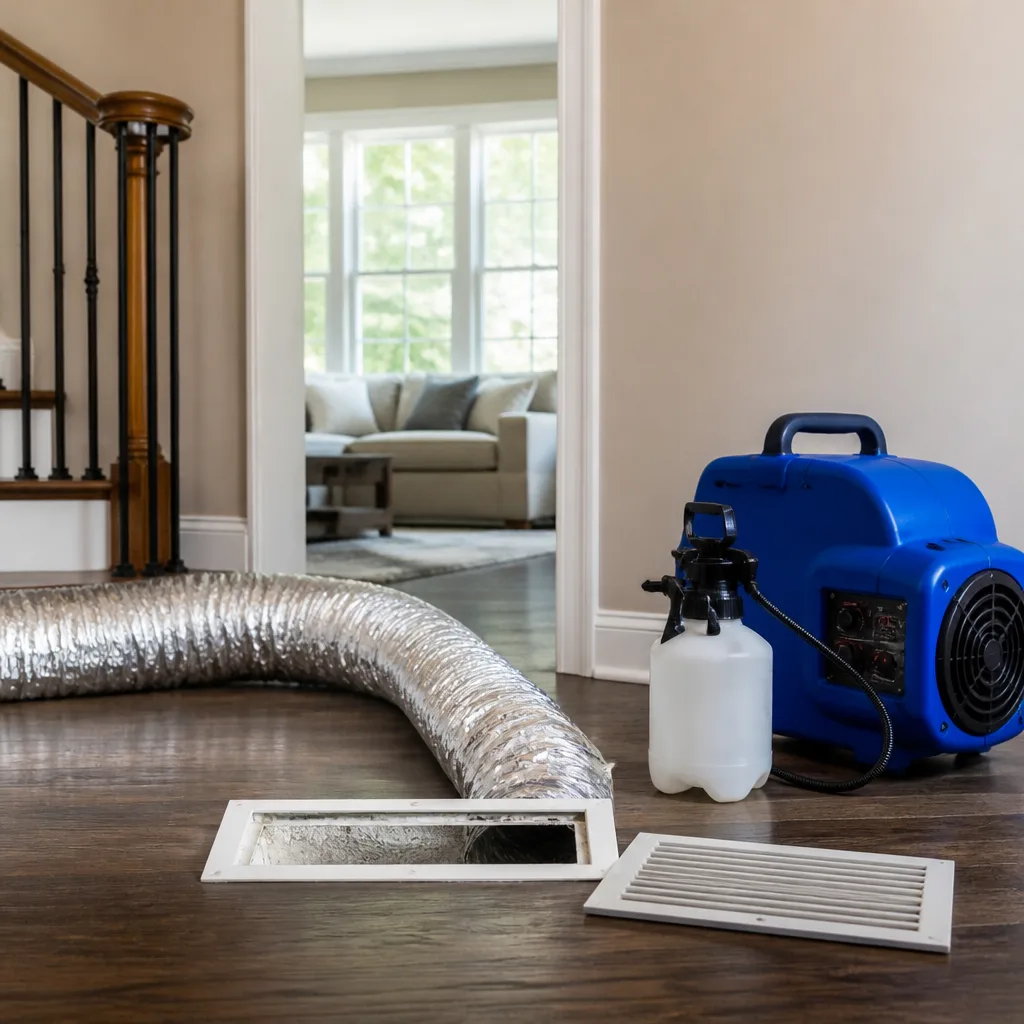 Sanitizing & deodorizing
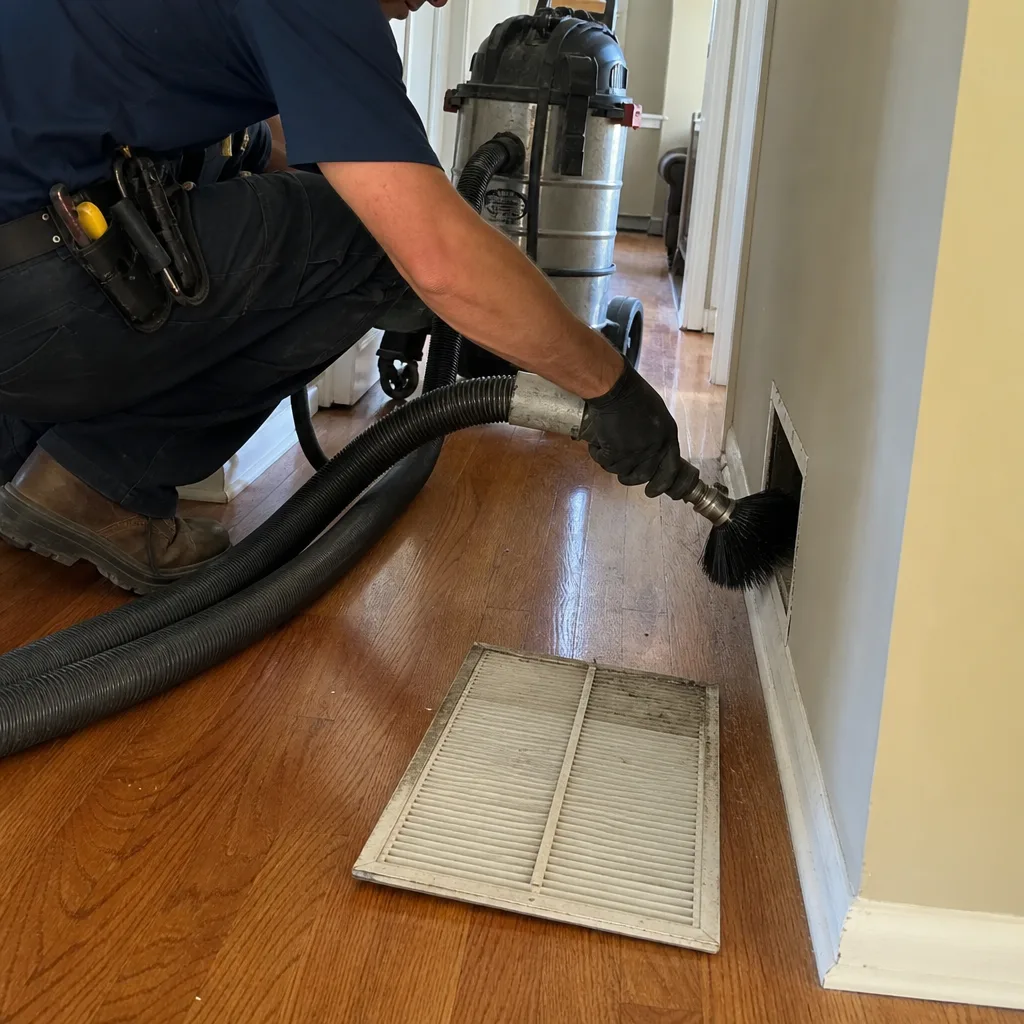
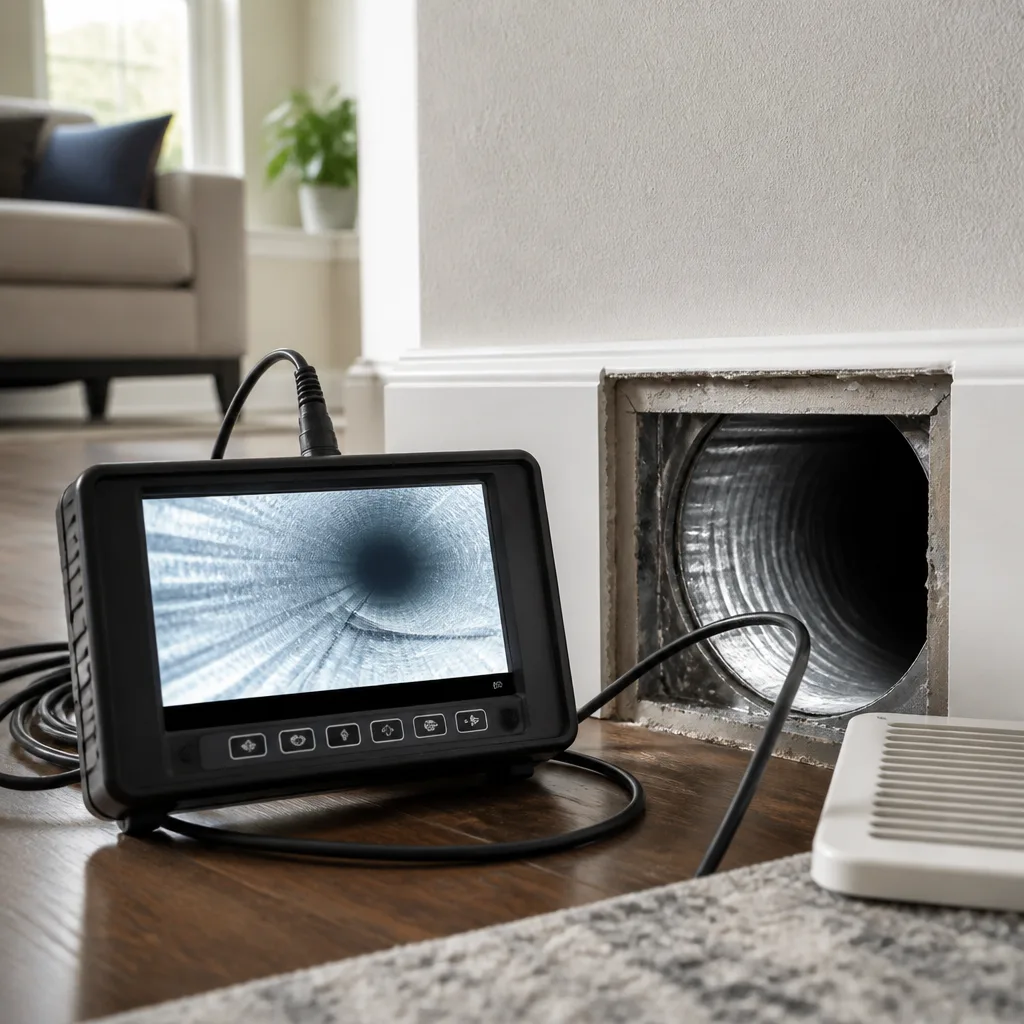
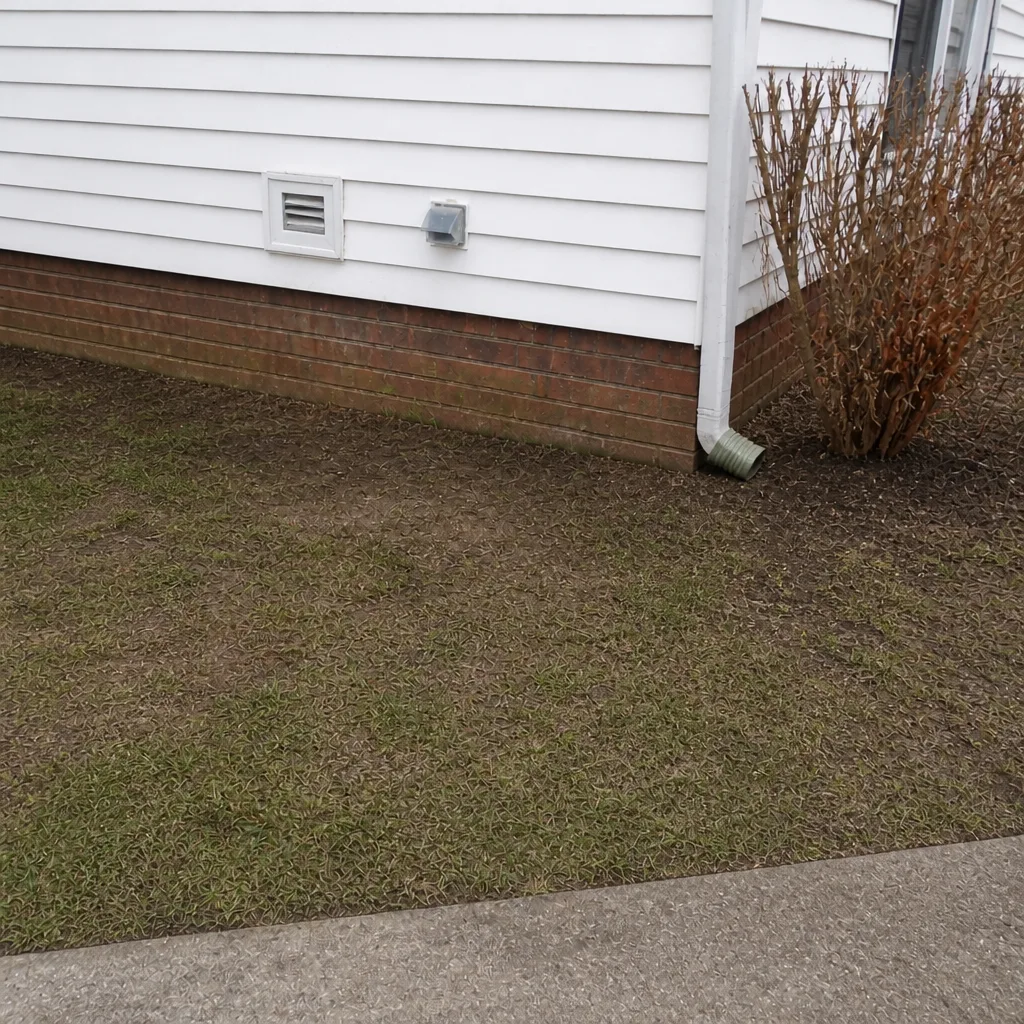
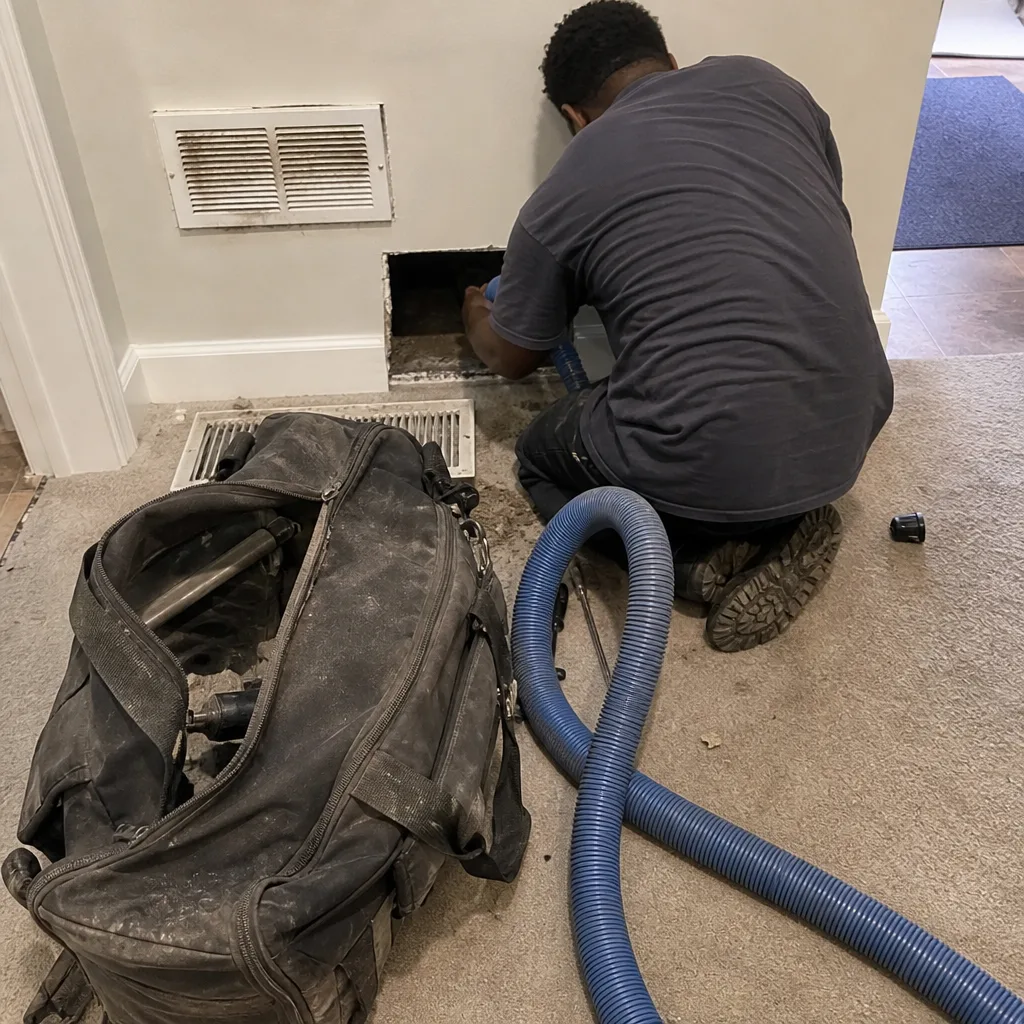
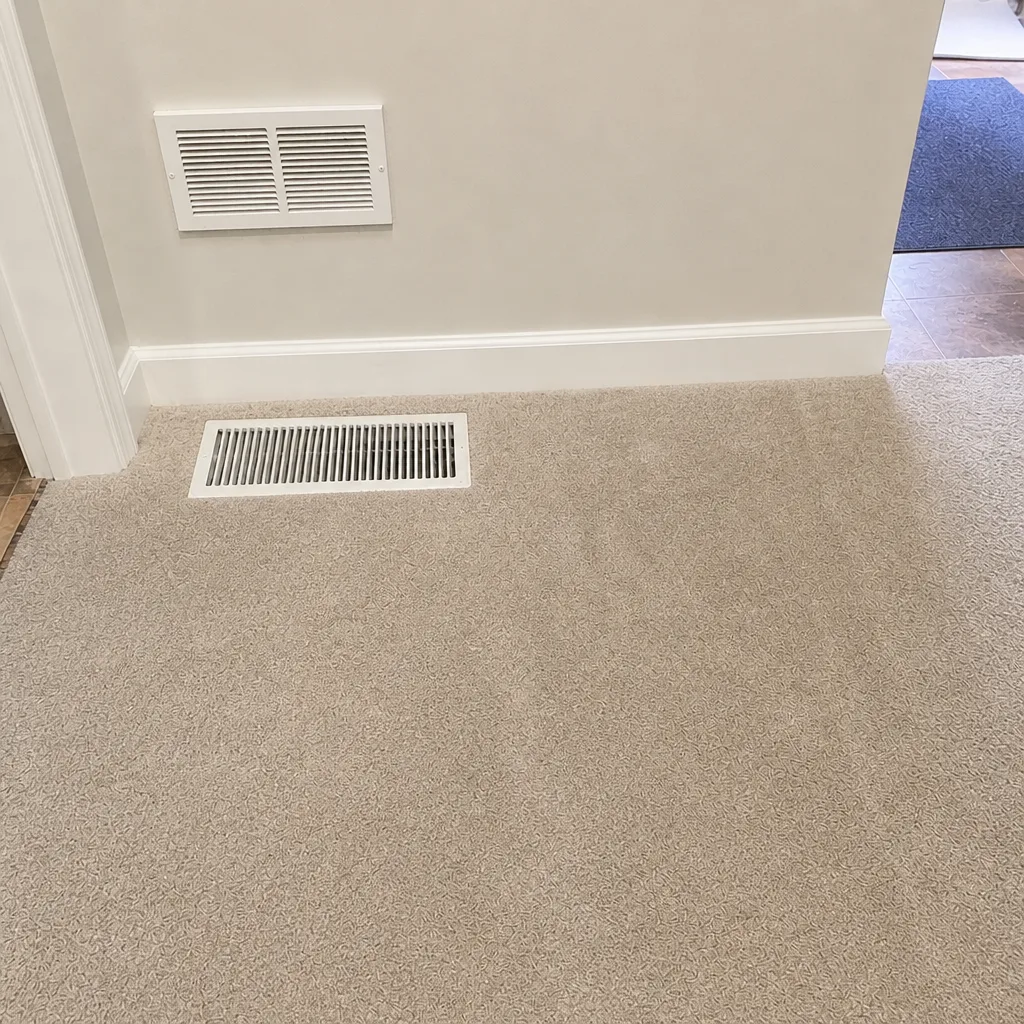
Whole-system duct and dryer vent check with before-and-after photos - you see exactly what came out of your vents
That "$99 whole-house special" is a bait ad - the real number appears once they are in your hallway, or the "clean" is a shop-vac at the register. We photograph the inside of your ducts before and after instead.
Air Duct Cleaning Maintenance Checklist for Richmond Homeowners
The EPA does not recommend cleaning your ducts on a fixed calendar schedule. Read that again, because it contradicts almost every maintenance checklist you’ll find online. Most guides tell you to clean every three to five years as if ductwork were a car with an odometer. In our experience, that advice pushes Richmond homeowners into one of two bad habits: paying for cleaning they don’t need, or ignoring the real signals that say their system is overdue. Ducts don’t degrade on a clock. They degrade on conditions, airflow, moisture, and what’s actually settling inside them.
This guide is built around condition indicators instead of arbitrary intervals. You’ll learn which checkpoints you can observe yourself, how to use filter loading as a proxy for duct contamination during Richmond’s pollen seasons, what to log after a professional cleaning so future inspections have a baseline, and why crawl-space homes in Richmond need their own set of checks. By the end, you’ll know when to look, what to look for, and when to call someone.
Styles & brands we work with
- Whole-home duct cleaning
- Dryer vent cleaning
- Camera inspection
- Sanitizing & deodorizing
Quick Answer
A sound air duct maintenance checklist for Richmond homes is built on observation, not a fixed calendar. Check airflow at your registers, watch how fast your filters load, and note dust settlement patterns every month or two, then schedule a professional inspection when those signals change or when you’ve had a renovation, moisture event, or new HVAC installation. Professional cleaning is warranted when indicators show real contamination, not simply because a certain number of years have passed.
Table of Contents
- Why Richmond Ducts Don’t Follow a Fixed Schedule
- Monthly Visual and Performance Checks You Can Do Yourself
- Tracking Filter Replacement Frequency as a Contamination Proxy
- Richmond’s Pollen Seasons and What They Mean for Your Ducts
- Crawl-Space Checklist Items for Richmond Homes
- Coordinating Duct Inspection With HVAC Tune-Ups
- What to Log After a Professional Cleaning
- Building a Seasonal Rhythm Around Conditions
- Common Mistakes to Avoid
- When to Call a Professional
- Frequently Asked Questions
- The Bottom Line
Why Richmond Ducts Don’t Follow a Fixed Schedule
Ductwork is a passive system, and what accumulates inside it depends entirely on what the house pulls in and what the house produces. Richmond sits in a humid subtropical climate. Summers are long, hot, and muggy. The air conditioning runs hard from late spring into early fall, and that extended runtime matters. Every hour the system runs, air moves through the return ducts, and whatever is suspended in that air has a chance to settle on duct surfaces.
Contrast that with a home in a drier climate where the AC cycles less and windows stay open more. The same house floor plan, the same duct material, the same family size, yet the accumulation rate is different. That’s the core reason a calendar-based checklist fails. The conditions that load your ducts are local and seasonal, and they change year to year.
There’s a second factor most checklists overlook: the type of contamination. Not all buildup is created equal. Some is ordinary household dust, the kind that settles on every surface in a Richmond home during a dry stretch. Some is construction debris left behind after a renovation. Some is biological growth, which only becomes a problem when moisture is present. Each of these calls for a different response, and none of them announce themselves on a calendar. You find them by looking at indicators.
In our experience, the homes that get the most value from duct maintenance are the ones where the homeowner keeps a loose log of what they observe. That log turns a vague feeling of “it’s probably time” into a decision based on evidence.
Monthly Visual and Performance Checks You Can Do Yourself
You don’t need tools to run most of these checks. You need ten minutes and a consistent habit. Set a reminder on the first of each month and work through the list below. If any single item changes noticeably from one month to the next, note it. A pattern of change is more informative than any single observation.
- Check airflow at each register. Hold your hand a few inches from the supply registers around your home and compare the feel from room to room. A register that has lost noticeable force may signal a blockage, a disconnected duct run, or a damper that’s drifted. This is one of the earliest warning signs, and it’s impossible to catch if you never check.
- Look at the register faces and grilles. A thin, even film of dust is normal. Dark streaking around the edges, or fuzz building on the fins, points to air moving through with more particulate than it should. Wipe one grille and watch how quickly the film returns.
- Inspect the return air grille. The return pulls the most air and typically shows the earliest signs. If the return grille looks darker or dustier than the supply grilles, that tells you the filter is loading and the system is pulling harder than it should.
- Snap a photo of a clean surface. Pick a single spot, like the top of a bookshelf or a windowsill in a fixed location, and photograph it right after you dust. Compare the next photo a month later. This simple record gives you a benchmark for how fast dust settlement returns.
- Note the filter type and date. Write the filter brand, the MERV rating, and the install date on the filter frame with a marker. You’ll thank yourself when you’re trying to calculate loading rate later.
- Check for unusual odors. A musty smell when the fan runs is a moisture signal, and moisture is the one condition that escalates fastest. If you notice it, don’t wait for the next scheduled check.
- Confirm drain-pan condition at the air handler. A standing puddle or damp surroundings point to a drain issue that can feed humidity into the duct run.
We encourage Richmond homeowners to keep these notes in a phone note or a notebook. Nothing about this is technical, but the habit of comparing month to month is what separates a real maintenance routine from a one-time inspection.
Tracking Filter Replacement Frequency as a Contamination Proxy
Your filter is the most reliable instrument you have, and it’s already installed. It catches particulate before it reaches the air handler, and the rate at which it loads tells you something about the air moving through your system. If a filter that used to last three months now looks grey and matted in six weeks, the air carrying the particulate has changed, or the volume of contamination has gone up. That’s your cue to dig deeper.
Start by recording three numbers every time you change the filter:
- The date installed. Not an estimate, the actual date.
- The date it reached the end of its useful life. Define this consistently: a visible grey coating across the full face, or a measurable drop in airflow at the nearest register.
- The filter’s MERV rating. A higher MERV filter loads faster and restricts more airflow. If you’ve recently changed ratings, it will change your timeline.
After four or five filter changes, you’ll have a personal baseline. From then on, any significant shortening of that interval is a signal. Similarly, a filter that loads noticeably faster in the return closest to a renovation area is telling you about localized debris.
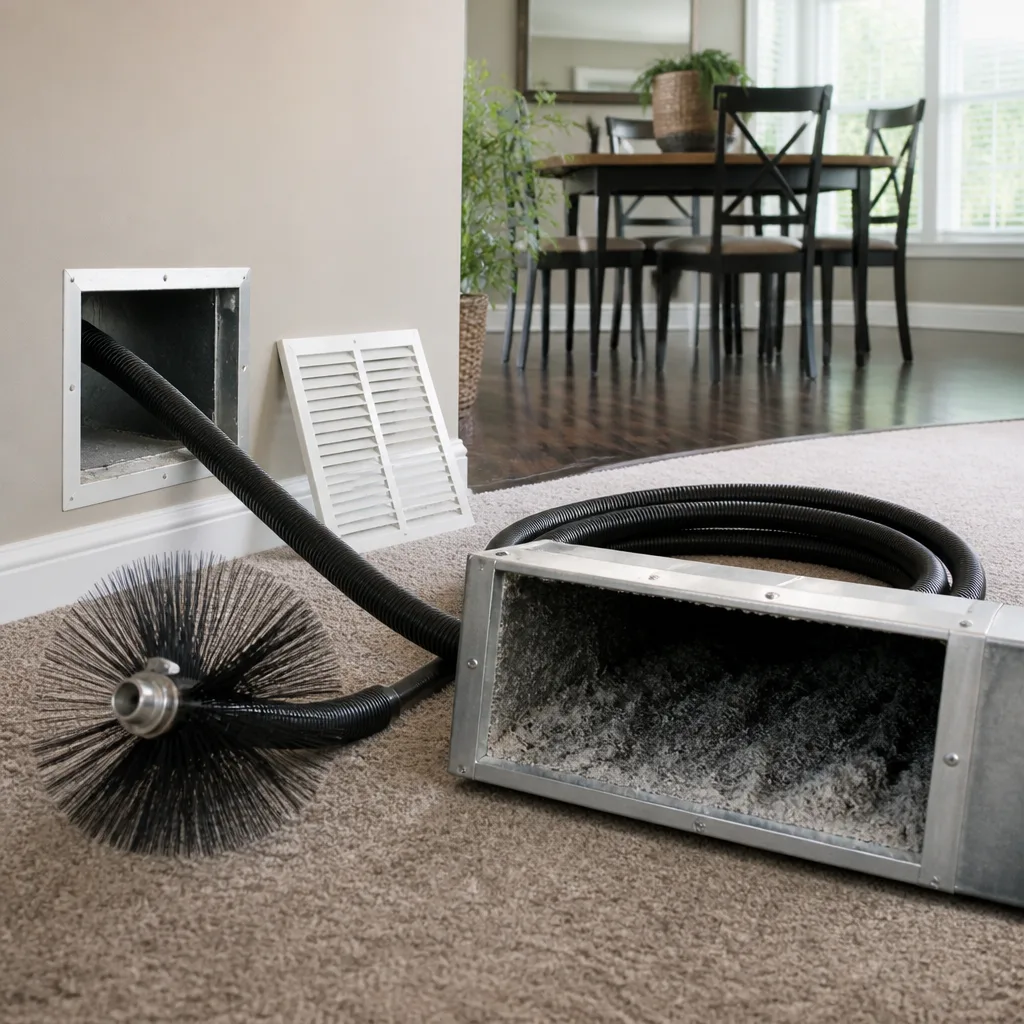
One caution: a filter that loads very fast in every season isn’t always a duct problem. It could be a high-MERV filter running on a system that isn’t sized for it, or an HVAC fan running constantly. That’s why a professional inspection adds value. Our technicians have up to 9 years of experience and can read the whole picture, not just one data point. If you’re tracking filters and uncertain what your numbers mean, we can take a look with professional-grade Rotobrush and Nikro equipment that shows exactly what’s accumulating inside the system.
Richmond’s Pollen Seasons and What They Mean for Your Ducts
Richmond has a pronounced spring pollen season, and the way it arrives matters for ductwork. In a typical Virginia spring, tree pollen spikes early, then grass pollen takes over, and by late summer and fall, weed pollens and mold spores fill out the season. Each of those is a source of fine particulate that your HVAC filter and return ducts interact with.
During the pollen peak, most homeowners keep the house closed up and the system running, which is the right call for comfort. The consequence is that the filter is loading faster than in cooler months, and whatever the filter misses has a chance to settle in the return ducts and on the blower.
Here’s how to use the seasons deliberately:
- Check the filter every four weeks during pollen season. Your normal three-month interval may not apply in late April. Look, don’t guess.
- Keep the return grilles clean. Pollen settles on the return grille face. A quick vacuum of the grille from the room side reduces the amount being drawn in.
- Watch for a springtime bump in dust on surfaces. That’s your window to check the register faces closely.
- Log the end of pollen season. After the peak passes, your filter loading rate should settle back toward baseline. If it doesn’t, something else is loading the system.
We’ve seen this pattern in Richmond year after year. The homes that manage it best are the ones that adjust their attention with the season rather than following one fixed filter schedule through the whole year. When the change overs in spring and fall happen, a routine Rutherford Air Duct Cleaning inspection gives you a clear read on whether the seasonal loading is translating into actual duct surface accumulation.
Crawl-Space Checklist Items for Richmond Homes
Many Richmond homes sit on crawl spaces, and that changes the maintenance conversation. Crawl spaces in this region sit close to the water table, and the humid summers push moisture into the space where ductwork often runs. Moisture intrusion into crawl-space ductwork is a documented recurring issue here, not a rare one. When ducts sweat or sit in damp air, the insulation wrapping and the duct walls can become a growth medium, and once that happens the contamination is not something a filter change fixes.
If you know your home has ductwork in the crawl space, add these checks to your routine:
- Look for visible condensation or sweat on ducts. Run a flashlight along the runs and check whether the outer vapor barrier feels damp.
- Check that the vapor barrier on the ground is intact. A torn or shifted ground barrier lets soil moisture rise freely into the space.
- Smell the air under the house. A musty smell when you’re at the crawl-space access is worth investigating before it travels up through the system.
- Note standing water after heavy rain. If water pools in the crawl space, the ducts sitting in that space are affected.
- Inspect duct insulation for tears, sagging, or separated sections. Damaged insulation on a crawl-space run is a common entry point for moisture and debris.
- After a heavy Richmond summer, recheck the crawl space in August and September. That’s when humidity peaks and the problem is most visible.
A proper inspection in a crawl-space home often turns up duct problems, not just cleaning needs. That’s why we offer air duct cleaning alongside air duct repair as a dedicated service. Cleaning a compromised run without fixing the leak or the torn insulation just postpones the same problem. Our technicians diagnose the root cause, not just the surface symptoms, and we use Abatement Technologies air filtration equipment, the same negative-air and HEPA-filtration standard used in environmental remediation work, when conditions call for it.
Coordinating Duct Inspection With HVAC Tune-Ups
Your HVAC technician is already opening the air handler and looking at the system’s moving parts. A duct inspection can ride along with that visit and save you a separate appointment. The key is knowing what to ask before the visit so both jobs get done in one call.
The tune-up visit typically involves checking the blower, the coils, the drain pan, and the electrical connections. Ask the technician to add these to the visit:
- A look inside the plenum and the first section of return duct. The view near the air handler shows whether contamination is concentrated there or spread through the run.
- A visual check on the duct connections and joints. Loose joints pull in air from unconditioned spaces, which is a common and easily missed source of contamination in Richmond homes.
- An airflow reading at a few supply registers. If the technician has a manometer, a static pressure reading gives a quantitative picture of airflow restriction.
- A photo of the air handler interior before and after the tune-up cleaning. That becomes part of your maintenance log.
Not every HVAC technician will do a duct inspection as part of a tune-up, and that’s fine. You can still use the visit to gather information. Ask specifically about the condition of the return duct and the blower wheel, which is often where dust and debris first accumulate. Then, if it looks like a dedicated duct assessment is warranted, schedule the two back to back so your records cover the same date.
The practical advantage is fewer service calls and a single dated snapshot of your entire air system. That single snapshot is worth more than two records taken months apart.
What to Log After a Professional Cleaning
A professional cleaning is the most useful baseline you’ll ever have, but only if you record what it revealed. Without notes, the day after the cleaning you’re relying on memory, and by the next inspection you’ve forgotten. The aim is to have a documented snapshot of the system at its cleanest state so future checks compare against something real.
After the cleaning is complete, record the following:
- The date of service. The exact date, not just “spring.”
- Which duct runs were cleaned and which were not. Some systems have sections that don’t need the same treatment, and knowing what was done matters for the next visit.
- Photos of the duct interior before the cleaning. Reputable professionals photograph the inside of the ducts before they start. Before-and-after photos of your own system are the single best proof of what was actually done, and we provide them as a standard part of the job.
- Photos of the duct interior after the cleaning. Keep both sets in the same folder or note so you can compare on the next visit.
- Any repair work performed. If a joint was sealed, a run was reconnected, or insulation was replaced, note it. That work changes how the system behaves afterward.
- The equipment nameplate or the filter type and MERV installed at the visit. If the technician recommends a specific filter, record the rating so you can source replacements consistently.
- Baseline observations. Record what the airflow felt like at each register right after the cleaning, and photograph one clean surface to reset your dust-settlement benchmark.
We’ve found that homeowners who keep this log get more out of their next inspection because the conversation starts with a reference point. It also short-circuits any worry about whether the work was actually done. With before-and-after photos of your own ducts and a log of what was cleaned, you don’t have to take anyone’s word for it. The evidence is in your folder.
Keep the log alongside your HVAC service records. When you’re ready to schedule, call (855) 606-6205. We answer 24/7, and your estimate is free.
Building a Seasonal Rhythm Around Conditions
Since a fixed calendar doesn’t fit, build a rhythm instead. The goal is to give yourself four natural checkpoints in the year when Richmond conditions shift, and to use each one to look for what the season specifically tends to produce.
- Early spring (before the pollen peak). Check the filter interval and wipe register grilles. Consider a pre-season inspection if you’ve had a renovation in the past year. This is also the right moment to confirm the crawl space is dry after winter.
- Late spring to early summer (the heavy AC start). This is when system runtime jumps. Watch filter loading closely and listen for any change in the sound of the system at startup.
- Late summer (peak humidity). Recheck the crawl space. Humidity peaks here, and any condensation on ducts is most visible now. If you smell anything musty, prioritize a look.
- Fall (before heating season). This is the natural time to coordinate a duct inspection with the HVAC tune-up. Heating season brings different airflow patterns, and a clean start to the season pays off.
That’s the framework. If a season brings an unusual event, like a major renovation, a storm, or a new HVAC install, add a check on top of it. Renovations in particular release a lot of fine dust into the air, and the system pulls that dust into the ducts for weeks afterward.
If you prefer to have a professional look at the whole picture once a year, that’s a reasonable rhythm for most Richmond homes. The important thing is that the timing is driven by what you observe, not by a number someone told you to hit. Richmond homes with a history of moisture, pets, or heavy pollen exposure will generally want more attention than a home with none of those factors. Call (855) 606-6205 for a free estimate. Estuaries and low-lying neighborhoods in the Richmond area sit closer to the water table, and for those homes the crawl-space check deserves more weight than it does on higher ground.
Common Mistakes to Avoid
- Cleaning on a fixed three-to-five year schedule regardless of conditions. The EPA’s guidance is explicit that no fixed interval applies, and following one wastes money on clean systems while leaving dirty ones overdue. Use indicators instead.
- Changing the filter on a seasonal guess instead of an observation. A homeowner who replaces the filter every spring without ever looking at it has no idea how fast it loaded or what that tells them. Look at the filter, note the date, then decide.
- Ignoring a musty smell because the filters look fine. Smell is a moisture signal, and moisture in Richmond’s crawl spaces is the most common cause of duct contamination we see. A filter that looks clean doesn’t tell you the duct walls are clean.
- Skipping the crawl space after a heavy summer. Duct runs under Richmond homes sit in damp air for months. Checking in August is far more informative than checking in March.
- Scheduling a duct cleaning and an HVAC tune-up separately. Double scheduling means two visits, two invoices, and two records that don’t align. Combine them and keep one dated snapshot.
- Not keeping the before-and-after photos. Photos of your own ducts are proof of the work and a baseline for next time. Losing them throws away the most useful record the visit produces.
- Assuming a cheaper quote is the same scope. A low bid that doesn’t include photos, doesn’t inspect the duct condition, or prices per vent is often not doing the same work. Ask what’s included and what equipment will be used before comparing.
When to Call a Professional
Some conditions are beyond a homeowner check and warrant a call. Schedule an inspection if you notice any of these:
- Airflow at registers has dropped noticeably and stayed low for more than a few weeks.
- A musty smell appears whenever the system runs, especially after humid weather.
- You’ve had a major renovation and dust has been visible in the return air grilles since then.
- You can see visible debris or a buildup of dust on duct surfaces at the air handler.
- Your crawl space has had standing water or visible condensation on ductwork.
- You’re preparing to sell the home or a buyer’s inspection flagged the ductwork.
- You want to establish a baseline, especially before the pollen season or heating season starts.
Rutherford Air Duct Cleaning offers free estimates in Richmond. We use professional-grade equipment from names like Rotobrush and Nikro, and Abatement Technologies filtration, and we provide before-and-after photos of your own ducts. Call (855) 606-6205 to schedule. We answer 24/7, and fast dispatch runs from 7am to 7pm, Sunday through Friday. We’re closed Saturday.
Frequently Asked Questions
There is no one-size-fits-all interval; the EPA does not recommend schedule-based cleaning, and the right approach is to clean when conditions show it’s warranted. For most Richmond homes, that means an annual inspection and a professional cleaning when indicators like airflow loss, musty odors, visible debris, or a moisture event in the crawl space point to real contamination. If your system has never been cleaned and you’ve just finished a renovation, that’s a clear trigger. Call (855) 606-6205 for a free estimate.
Filter loading is a useful proxy but not a perfect one. If your filter’s useful life has dropped by a clear margin over four or five changes, or if the filter loads much faster in one return than another, something is loading the system. It doesn’t automatically mean the ducts need cleaning, but it warrants a professional look. Estuaries and low-lying areas around Richmond can see faster loading in humid seasons. Call (855) 606-6205 to schedule an inspection.
Yes. Crawl spaces in Richmond sit close to the water table and the humid summers push moisture into the space where ductwork often runs. Moisture intrusion into crawl-space ducts is a recurring issue, and it can promote biological growth inside the duct run that no filter change will fix. The checklist items above are the ones to run, and a professional inspection of crawl-space ductwork is worth doing if you’ve never seen the ducts from that side. Call (855) 606-6205 to book a free estimate.
Yes, and it’s the efficient way to do it. Your HVAC technician is already opening the air handler and looking at the blower and coils, so asking them to check the first section of return duct and photograph the interior costs you little extra. If you want a dedicated duct assessment, schedule it back to back so both records share the same date. Our technicians have up to 9 years of experience in system assessment. Call (855) 606-6205 to coordinate.
Pricing is set per job by a written estimate, which means it depends on system size, how many runs need cleaning, and whether repair work is included. The main thing to watch for is a per-vent price or a low teaser figure that grows once the technician arrives. We work with one flat price per system agreed before work starts, plus before-and-after photos of your own ducts. Call (855) 606-6205 for an exact quote – estimates are free.
Ask for before-and-after photos of your own ducts, and keep them. Photos of the actual duct interior before cleaning and the same section afterward are the most reliable proof you can get, and any technician using professional-grade equipment should be able to provide them. Pair the photos with a dated note of what was cleaned, and you have a record you can compare on the next inspection. Call (855) 606-6205 to schedule a cleaning with photographic documentation.
The Bottom Line
A maintenance checklist for Richmond ductwork should track conditions, not the calendar. The EPA doesn’t recommend fixed intervals, and a checklist built around them pushes you toward either unnecessary cleaning or missed signs. Check airflow at registers, watch filter loading as a proxy for what’s moving through the system, use Richmond’s pollen seasons as your natural checkpoints, and give crawl-space homes their own inspection. Log the date, the filter rating, and the before-and-after photos after a professional cleaning so the next inspection has a real baseline. Coordinate duct inspection with your HVAC tune-up to save a service call. When your observations show something’s changed, get a professional look and a free estimate.
Rutherford Air Duct Cleaning offers air duct cleaning, dryer vent cleaning, and air duct repair as dedicated services. Our technicians have up to 9 years of experience, and we use professional-grade Rotobrush and Nikro systems with Abatement Technologies filtration, and we work with Honeywell and Aprilaire systems. Call (855) 606-6205 for a free estimate. We answer 24/7. Fast dispatch from 7am to 7pm, Sunday through Friday.
Written by the team at Rutherford Air Duct Cleaning.
See the difference
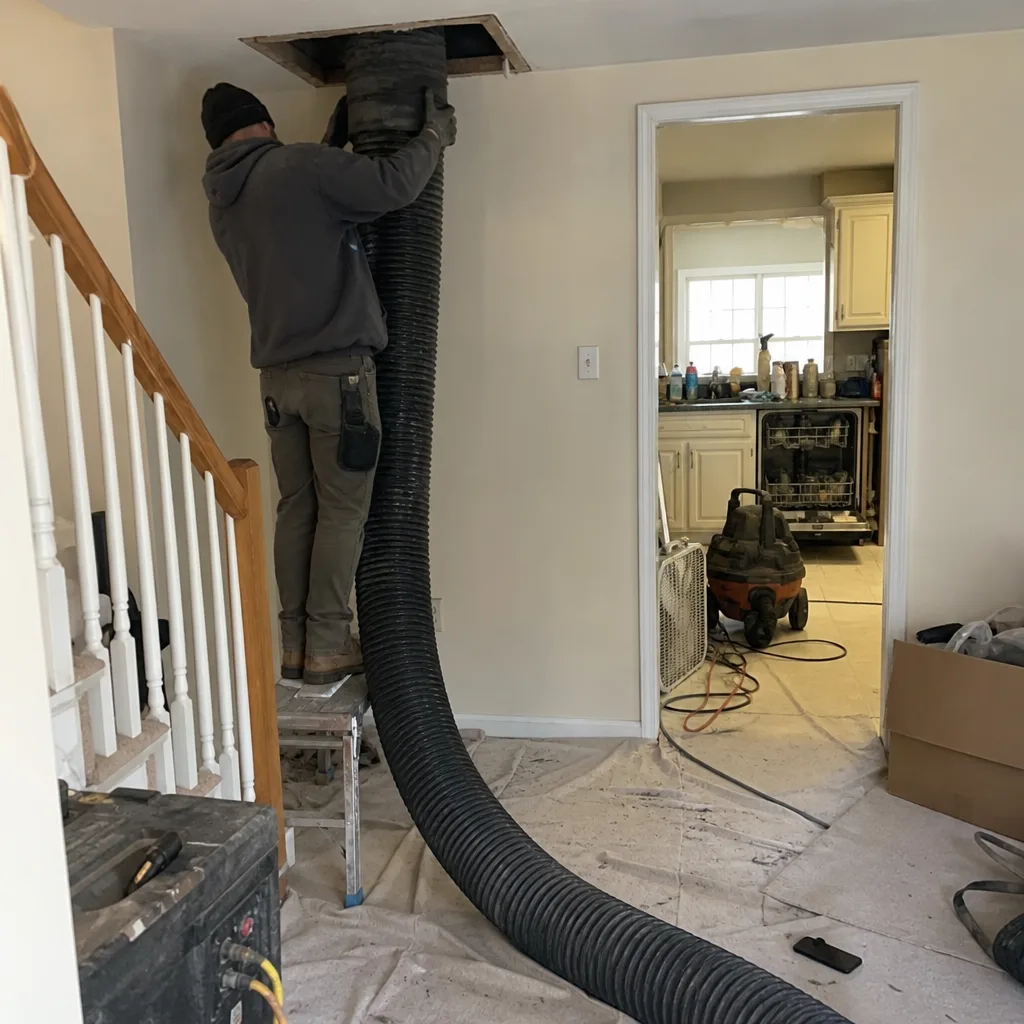 Before
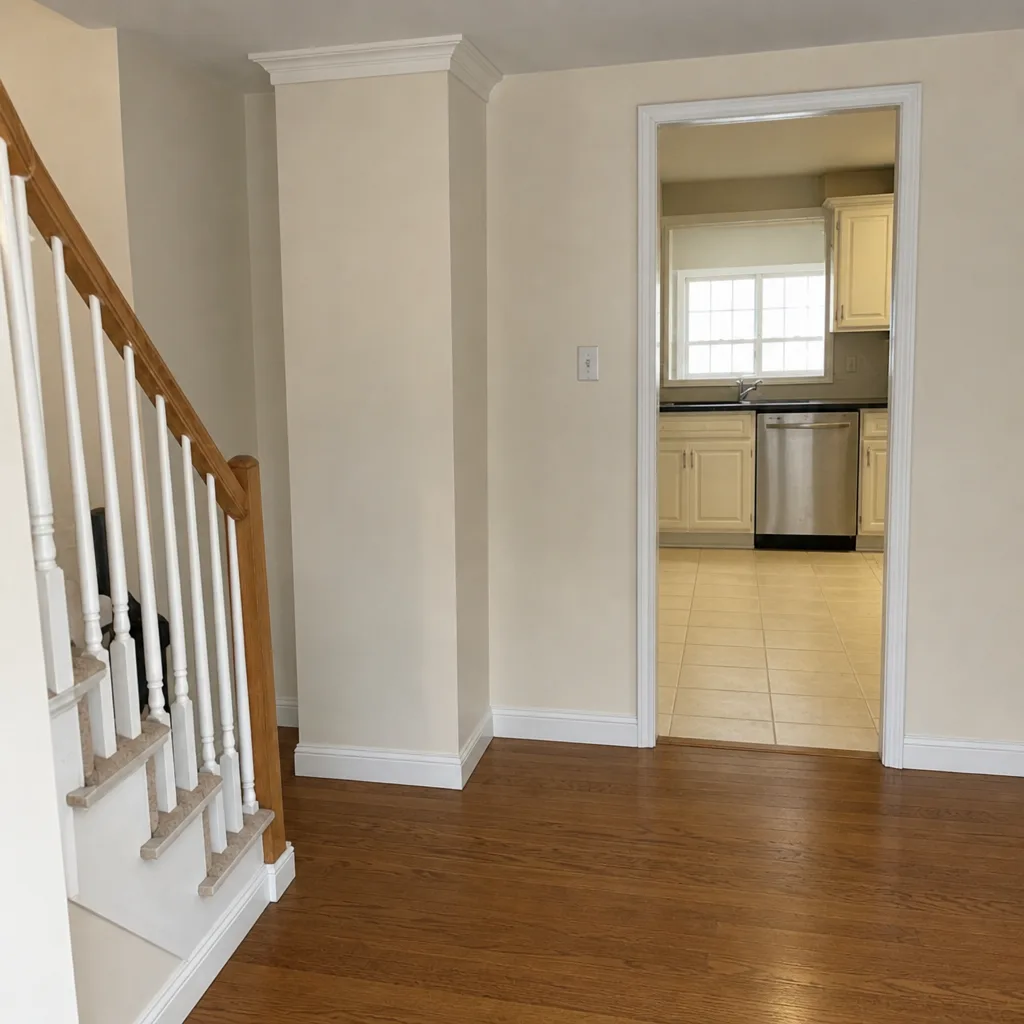 After
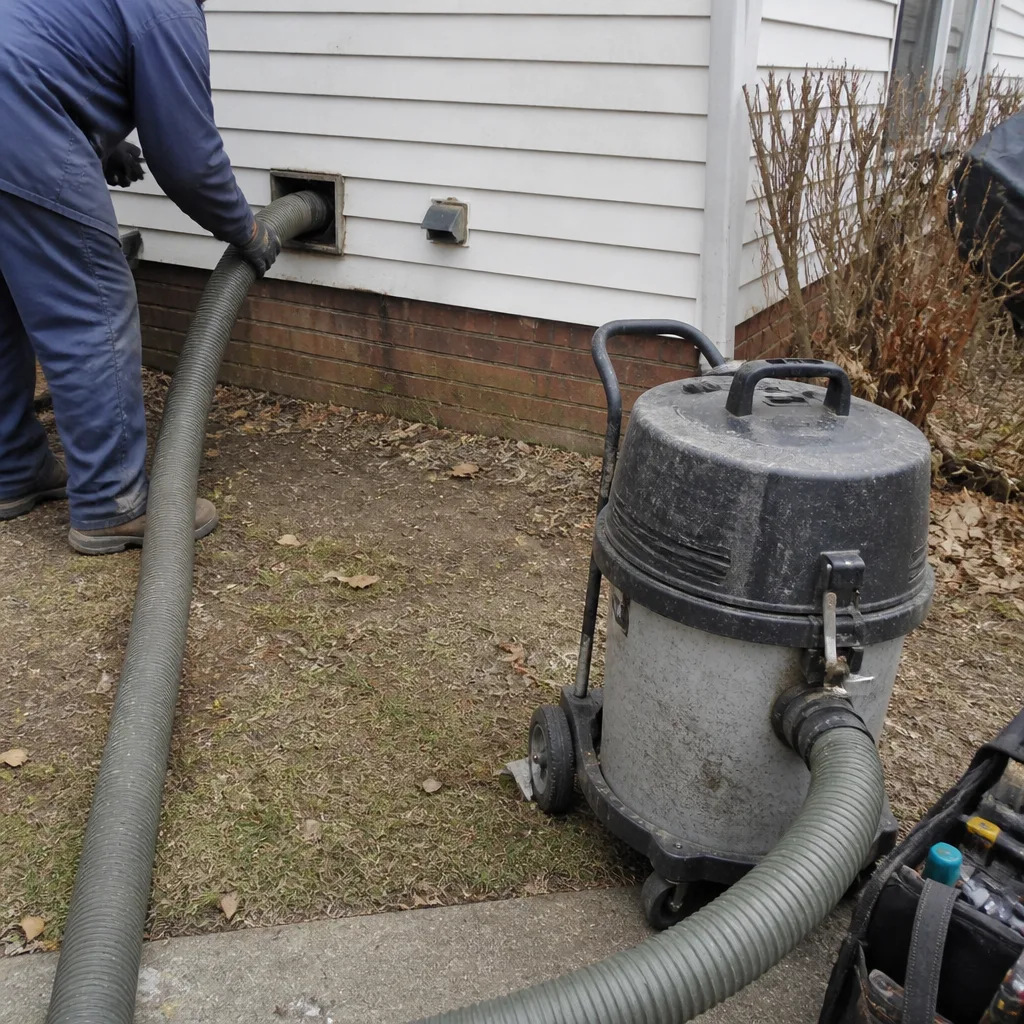 Before
 After
 Before
 After