
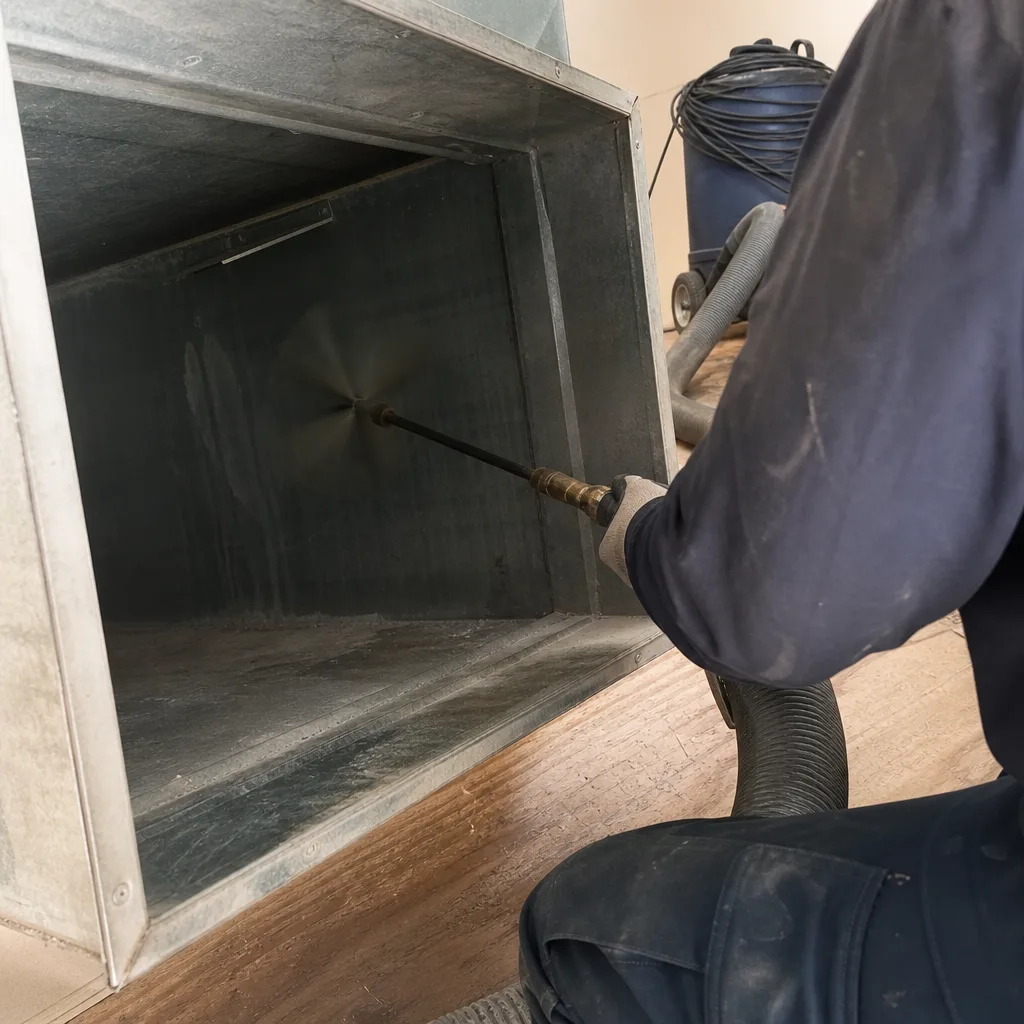
Last updated November 14, 2026
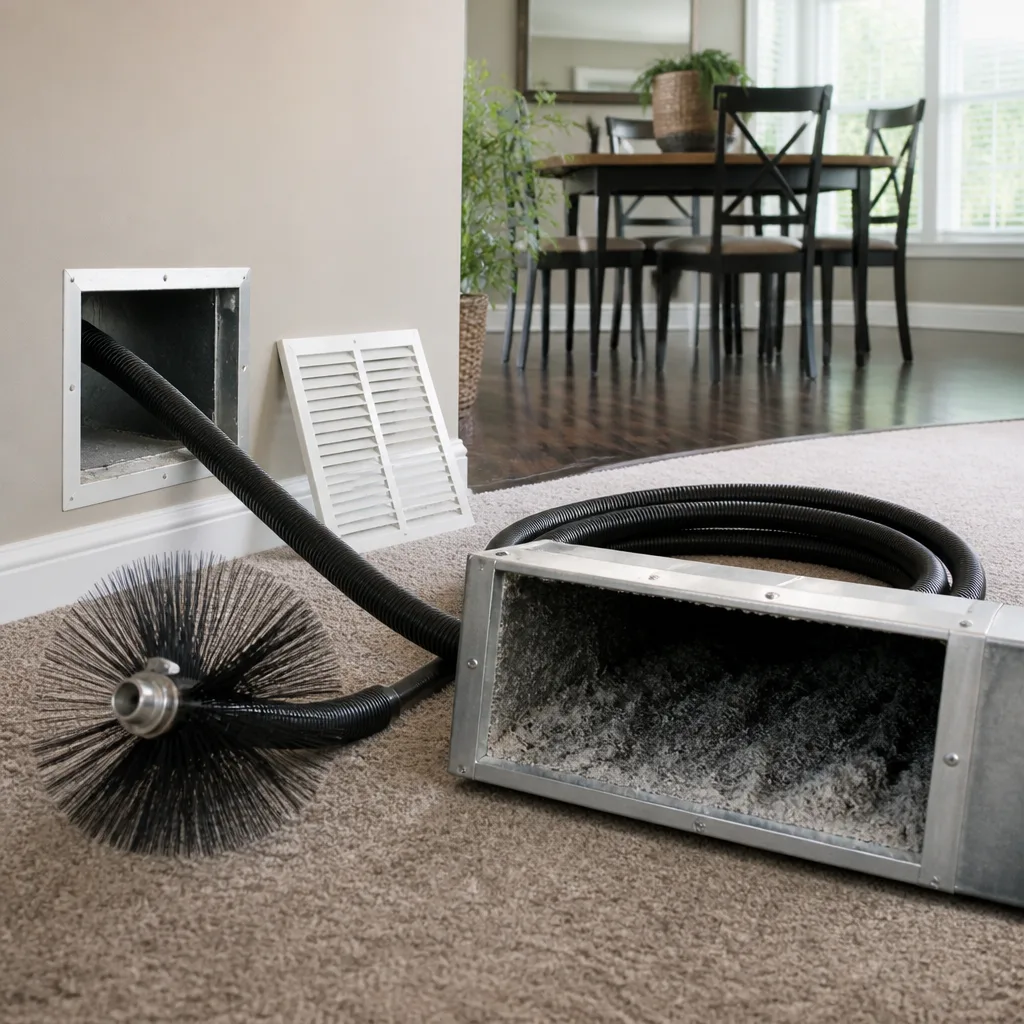 Whole-home duct cleaning
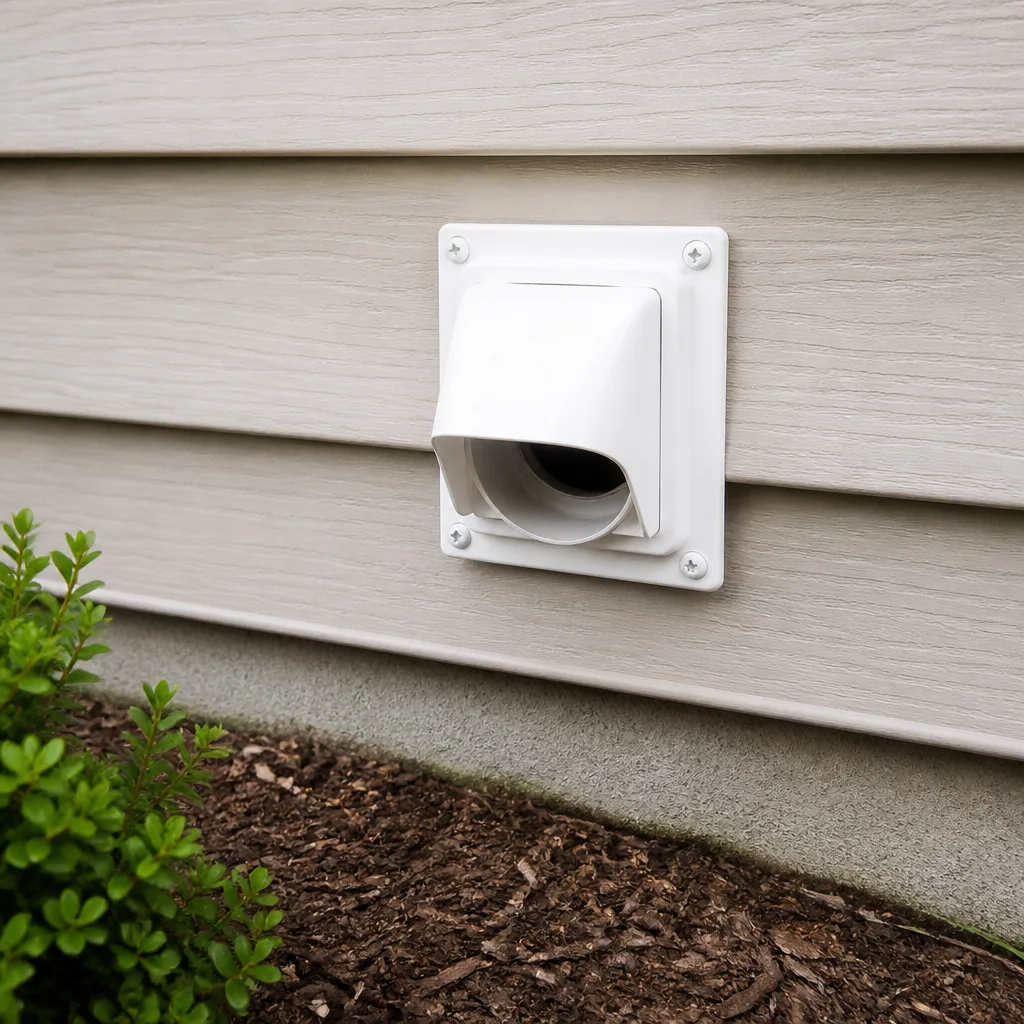 Dryer vent cleaning
 Camera inspection
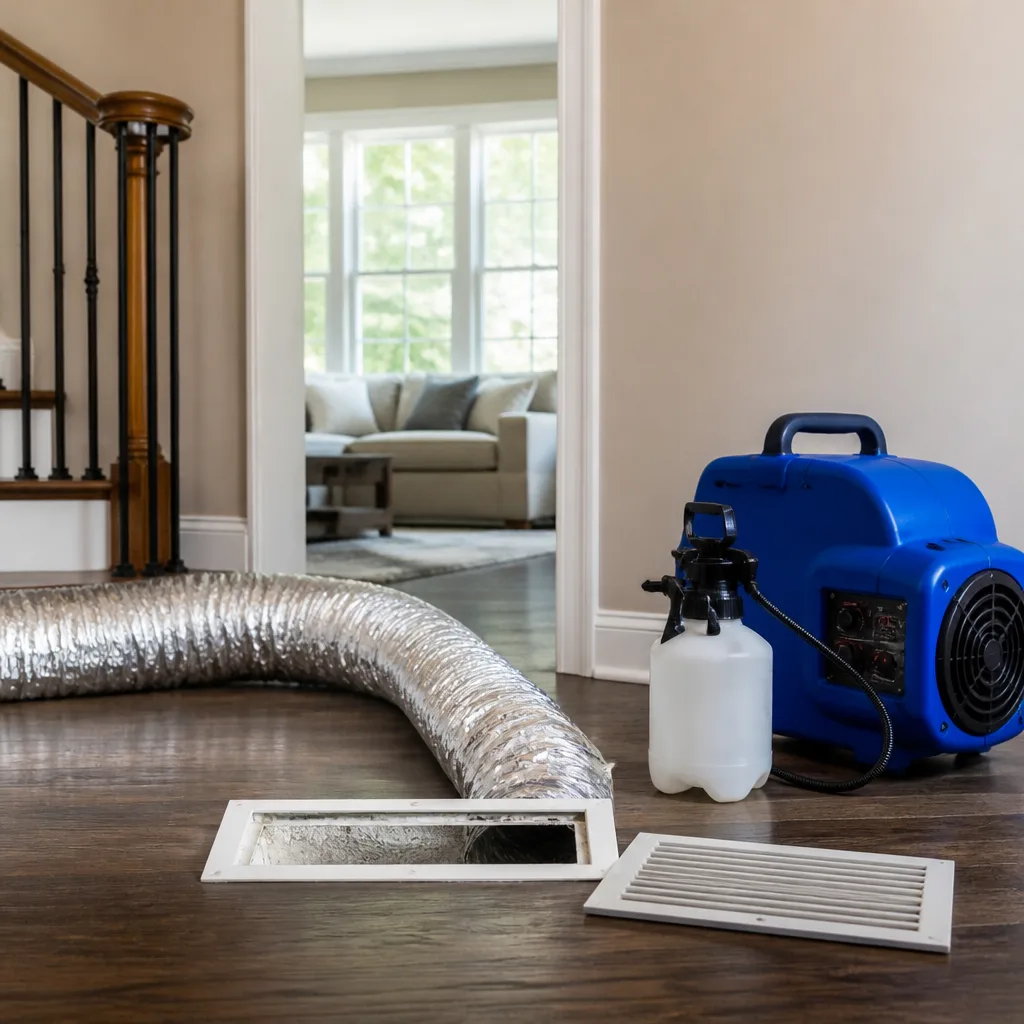 Sanitizing & deodorizing
Whole-system duct and dryer vent check with before-and-after photos - you see exactly what came out of your vents
That "$99 whole-house special" is a bait ad - the real number appears once they are in your hallway, or the "clean" is a shop-vac at the register. We photograph the inside of your ducts before and after instead.
Air Duct Cleaning Permits, Codes & Inspections in Richmond, VA: What You Need to Know
Most homeowners assume duct cleaning is permit-free and move on. That’s mostly true, and it’s also where the thinking usually stops. The moment a technician cuts into ductwork, replaces a flex duct section, or applies mastic sealant to a supply plenum, the job may cross into regulated HVAC work under Virginia’s Uniform Statewide Building Code. The cleaning itself rarely needs a permit. The repair that follows sometimes does, and that gap is where homeowners in Richmond get surprised during a sale, an insurance claim, or a city inspection. This guide explains the distinction, what Class B licensing means, how Richmond’s inspection process works in older housing stock, and what to ask a contractor to put in writing so you’re covered.
Quick Answer
Air duct cleaning alone in Richmond, VA does not require a building permit because it’s maintenance, not construction. Duct repairs that change the system, such as cutting in new ductwork, replacing rigid sections, resealing a supply plenum, or installing new liner, usually fall under Virginia Mechanical Code jurisdiction and may require a permit and inspection, plus a contractor licensed for the work. Ask the company which category the job falls into before work starts, and get that answer in writing.
Styles & brands we work with
- Whole-home duct cleaning
- Dryer vent cleaning
- Camera inspection
- Sanitizing & deodorizing
Table of Contents
- Cleaning vs. Repair: Where the Permit Line Sits
- What Virginia Mechanical Code Covers
- Class B Licensing in Virginia: What It Means for Duct Work
- How Richmond Inspections Work in Older Housing Stock
- Historic Districts and Ductwork
- How Permitless Duct Work Affects Insurance Claims
- What to Ask a Contractor to Document in Writing
- Permit Questions During a Home Sale
Cleaning vs. Repair: Where the Permit Line Sits
Cleaning is the removal of debris from an existing system. The system stays in place, no components are added or removed, and the job is essentially maintenance. Under Virginia’s Uniform Statewide Building Code, maintenance does not require a permit. That’s why a straight duct cleaning on a 1970s ranch house in Bon Air or a newer build out near Short Pump typically moves through without any paperwork beyond the invoice.
Repair is different. Repair changes the system: a section of duct gets cut out and replaced, a fitting gets reconfigured, a supply run gets added or removed, or a plenum gets resealed. Those actions alter how the system distributes air, and they fall under the mechanical provisions of the building code. They may require a permit. They may require an inspection. And they usually require that the person doing the work is licensed to do it, which is a separate question from whether the person who cleaned the ducts is licensed for cleaning.
Here’s the practical split:
- Cleaning only. No permit. No inspection. Brush and negative-air work on existing duct surfaces.
- Sealing with mastic on accessible joints. Usually no permit when it’s surface work on existing connections. Ask, because the answer depends on scope and on the Richmond reviewer.
- Replacing a flex duct section or rigid duct run. Usually requires a mechanical permit and an inspection.
- Cutting new supply or return openings. Requires a permit. Full stop.
- Replacing or resizing a supply plenum, or altering a component connected to the air handler. Requires a permit.
- Installing new duct liner or internal insulation. Requires a permit and gets inspected for material and installation method.
At Rutherford Air Duct Cleaning, we offer both cleaning and duct repair as separate services precisely because they trigger different rules. A homeowner in the Museum District calling for cleaning on a 1950s system might not need any paperwork. The same homeowner calling about a collapsed flex run under the floor might. If you’re unsure which camp you’re in, Rutherford Air Duct Cleaning can walk you through it before a technician arrives, so nobody is surprised by a permit conversation after the work starts.
What Virginia Mechanical Code Covers
The Virginia Mechanical Code governs the design, installation, maintenance, and alteration of mechanical systems, including ductwork. It exists so that air distribution systems are sized correctly, sealed properly, supported at the right intervals, and made from materials that meet fire and smoke safety standards. Duct cleaning doesn’t touch any of that. Duct alteration does.
What the code cares about, in plain terms:
- Material. Duct materials have to meet specific fire and smoke ratings. A replacement section of flex duct certified as meeting those ratings is acceptable. A run of unmatched material found at the home center often is not.
- Sealing at connections. Joints have to be sealed with approved sealant or mechanical fasteners. Mastic on a joint is not free-form artistic expression; it’s a code-recognized method when applied correctly.
- Support. Duct runs have to be supported so they don’t sag or separate. This matters more than most homeowners realize in crawlspaces and attics.
- Clearances. Ductwork must maintain clearance from heat sources and combustibles. If a repair routes a run close to a flue or a recessed light, it may not pass.
- Access. Certain components require accessible locations for service. A repair that hides a damper behind drywall is a problem.
We use Guardsman-grade cleaning standards on duct surfaces and Rotobrush and Nikro equipment on the cleaning side. On the repair side, we work with the mechanical provisions of the code as written, and when a job needs a permit, we tell the homeowner before the first cut. That’s the honest answer: most cleaning jobs don’t need one, some repair jobs do, and the difference is the scope of work, not the invoice size.
Class B Licensing in Virginia: What It Means for Duct Work
Virginia licenses contractors through the Department of Professional and Occupational Regulation. The relevant class for most residential duct work is Class B, which covers individual contracts up to $120,000 and total annual volume under $750,000. It requires a minimum of two years of experience, a passing exam, and ongoing compliance with state requirements. It is not the same as a business license, and it is not the same as a specialty certification in duct hygiene.
Here’s the part most homeowners miss: duct cleaning and duct repair are not the same license question. Cleaning, as a maintenance activity, doesn’t require an HVAC license in the same way that installing or repairing a system does. Repair work that falls under Virginia Mechanical Code jurisdiction usually requires that the person doing it is a licensed HVAC contractor, or is working under one. A duct cleaning company that offers repair should be able to tell you, without hesitation, who holds the license on the job.
What to check:
- Confirm the license class in writing. “Class B” should appear on the proposal, along with the license number.
- Confirm the license belongs to the company performing the repair, not to a subcontractor whose role is unclear.
- Confirm the license covers the type of work being done. HVAC is the relevant category for duct alteration.
- Confirm the company carries insurance. Ask for a certificate. Bearer of the certificate should be the homeowner.
- Confirm who supervises the job. Virginia licensing requires that licensed work be overseen by the license holder, not delegated to an unlicensed crew.
Our technicians have up to 9 years of experience, and we work with licensed HVAC professionals for repair work that requires it. If the job is cleaning, we handle it end to end. If the job requires a permit and a licensed contractor on record, we say so before any work starts, and we don’t paper over the distinction.
How Richmond Inspections Work in Older Housing Stock
Richmond has a lot of older housing stock: bungalows and four-squares in Bellevue and Carytown, rowhouses near Church Hill, and mid-century builds south of the river. That age matters for duct work because older systems were not designed to modern code, and a repair that would be routine in a 2005 build can require a closer look in a 1920s house.
When a mechanical permit is pulled in Richmond, the city assigns an inspector to review the work after it’s finished. The inspector checks the installation against the permitted scope: materials, sealing at connections, support, clearances, and accessibility. In older homes, the inspector also tends to look closely at how existing ductwork was modified, because decades of retrofit work accumulate, and not all of it was permitted when it happened.
What the process typically looks like:
- Contractor pulls the permit. This is filed with the city before work starts. The permit names the scope of work and the licensed contractor.
- Work is performed. The contractor installs, seals, and supports the ductwork per the code and per the permit.
- Inspection is requested. The contractor schedules the inspection once the work is complete. In most cases the inspection happens after the work is in place, before the system is closed up.
- Inspector reviews the installation. Materials, sealing method, support, and clearances are checked against the permit and the code.
- Approval or correction. If the work passes, the permit closes. If it doesn’t, corrections are made and a re-inspection happens.
In older Richmond homes, one common snag is that the existing ductwork shows signs of past unpermitted modification. The inspector can flag that even when the current job is clean. It’s not a penalty on the current contractor, but it does mean the homeowner may need to address older work to close out the permit. Knowing this going in is far easier than discovering it mid-inspection. If your system has been through several rounds of retrofit, a thorough air duct cleaning is often the first honest look anyone has taken at what’s actually under the floor.
Historic Districts and Ductwork
Richmond has several historic districts, including parts of Church Hill, Jackson Ward, the Fan, and Monroe Ward. These districts are overseen by the Commission of Architectural Review when exterior changes are proposed. Ductwork inside the home is generally outside that commission’s jurisdiction, since the work is interior and not visible from the street. Where things get complicated is when a duct repair requires an exterior penetration, a new vent on a roof plane visible from the street, or a change to a chimney chase.
That doesn’t happen on every repair. But when it does, the homeowner is looking at a layered approval: mechanical permit through the city, plus architectural review for the exterior component. The order matters. The architectural review usually has to clear before the exterior work can be permitted, which adds lead time to a repair that might otherwise be straightforward.
Inside the home, historic districts typically don’t change the mechanical code requirements. The same Rotobrush and Abatement Technologies equipment applies. The same Guardman-grade surface standards apply. But the construction of the home does matter. Plaster walls, balloon framing, and existing chimney chases all change how ductwork can be routed, and the inspector reviewing the job will know that. If you live in a historic district and a contractor tells you the district is irrelevant, that’s a reason to ask more questions, not fewer.
How Permitless Duct Work Affects Insurance Claims
Homeowners’ insurance policies generally cover sudden and accidental losses, such as fire or water damage. Coverage is usually denied or complicated when the loss can be traced to work that was not done to code or was not permitted. Duct work sits squarely in that zone because it’s out of sight, and an improperly sealed joint or a mismatched flex section is easy to install and hard to see.
Here’s where it matters in practice. If a fire starts in a duct-adjacent area, or if a moisture event causes mold growth inside the duct system, the insurer’s adjuster will look at the ductwork as part of the loss investigation. If the ductwork shows signs of unpermitted modification, or of sealing done in a way that doesn’t meet code, the claim can become a coverage dispute. That doesn’t mean the work caused the loss. It means the work creates a question the insurer will ask, and the answer takes time to sort out.
The same principle applies to moisture and condensation. If a duct repair left a section under-insulated or improperly sealed, condensation can form inside the system, and the resulting moisture damage may be scrutinized. The insurer will want to know when the duct was modified, whether it was permitted, and who did the work. If a permit was pulled, that paperwork answers the question quickly. If it wasn’t, and a permit was required, the homeowner is left explaining the gap.
The practical fix is simple. Keep the paperwork. A permit record and an inspection approval are, functionally, a documentation package your insurer can read without a back-and-forth. Dryer vent cleaning is in the same category for fire-safety reasons, which is one reason we treat dryer vent cleaning as a dedicated service rather than an afterthought. If a vent-related fire loss is investigated, the maintenance record matters.
What to Ask a Contractor to Document in Writing
The single most useful thing a homeowner can do is ask the contractor to put their answers on paper before work begins. Most of the confusion around permits comes from verbal assurances that nobody can produce later. A written scope of work, with the licensing and permit position stated clearly, resolves the question as soon as it comes up.
Ask for these items in writing:
- Scope of work. Cleaning only, or cleaning plus repair? If repair, list the specific components being altered. “Duct repair” is not a scope.
- Permit position. State whether a permit is required for this job. If yes, state who is pulling it and when. If no, state the reason it isn’t required.
- License class and number. Confirm the license class for the work being performed and the number on file.
- Insurance certificate. Ask for a certificate of insurance naming the homeowner as certificate holder.
- Materials list. For repair work, list the duct materials and sealants being used, and their code references.
- Access and route plan. Where the technician will access the system, and what gets opened up.
- Before-and-after photos. Ask that photos of the system be provided after the work is done. Photos of the actual system, not a stock image.
- Inspection record (if applicable). If a permit was pulled, ask for the inspection sign-off once it happens.
None of this is unreasonable to ask. Any contractor serious about the work will produce it without complaint. If a company pushes back on a written scope or a license number, that’s information too. Our written estimates list the scope, the price per system, and any permit notes clearly, because the conversation is easier when it starts from the same document. For homeowners in Richmond who’ve been through a sale or an insurance claim, this documentation habit often pays for itself the first time it’s needed.
Permit Questions During a Home Sale
Home inspectors in Virginia look at HVAC systems, and they look at ductwork. When a buyer’s inspector sees ductwork that’s been modified, they’ll flag it, and the buyer’s agent will ask for documentation. If the work was permitted and inspected, the paperwork comes out of a file and the question goes away. If it wasn’t, and it should have been, the question becomes a negotiation item at the worst possible moment.
This is why we tell homeowners the permit question is worth resolving at the time of the work, not at the time of the sale. A permit-cleared repair is an asset on the seller’s side of the transaction. An unpermitted repair is a liability that the buyer’s agent will price in.
What a buyer’s inspector typically looks for on the duct side:
- Mismatched duct materials between sections, which suggests a retrofit.
- Mastic or tape on joints applied in a way that suggests unpermitted sealing.
- Disconnected or sagging runs, especially in crawlspaces and attics.
- Condensation staining, which can point to under-insulated or improperly sealed sections.
- Newer ductwork connected to older systems with no documentation of the change.
If you’re selling a Richmond home and know the ductwork has been repaired, track down the permit record before the inspection happens. If you can’t find one, call the city and ask whether a permit exists for your address. Better to know before the buyer’s agent asks.
Common Mistakes to Avoid
- Assuming “cleaning” covers the repair scope. Cleaning needs no permit. Repair may. Make sure the written scope says which one you’re buying. If the proposal uses the word “repair” without saying whether it’s permitted, ask.
- Accepting a verbal “you don’t need a permit.” Sometimes that’s correct. Sometimes it isn’t. Get the answer in writing, with a reason, so it stands up if you’re asked later.
- Letting a repair be done by whoever is already at the house. A duct cleaning technician is not automatically licensed for mechanical repair. Confirm the license class covers the specific work being done.
- Skipping the insurance certificate. It takes two minutes to request and it matters if something goes wrong. The certificate should name you, not just the contractor.
- Not photographing the before-and-after. No photo record means you have no way to prove the state of the system before or after the work. Ask for photos of your own system.
- Ignoring past unpermitted work in older Richmond homes. If your house has been through several retrofits, assume some of them weren’t permitted. A thorough inspection during a duct repair is the cheapest way to find out.
- Assuming the historic district is irrelevant to interior duct work. Interior duct work usually doesn’t trigger architectural review, but an exterior vent change can. Ask before cutting.
- Treating the permit question as the contractor’s problem. The permit protects the homeowner. If the contractor isn’t raising it, the homeowner should.
See the difference
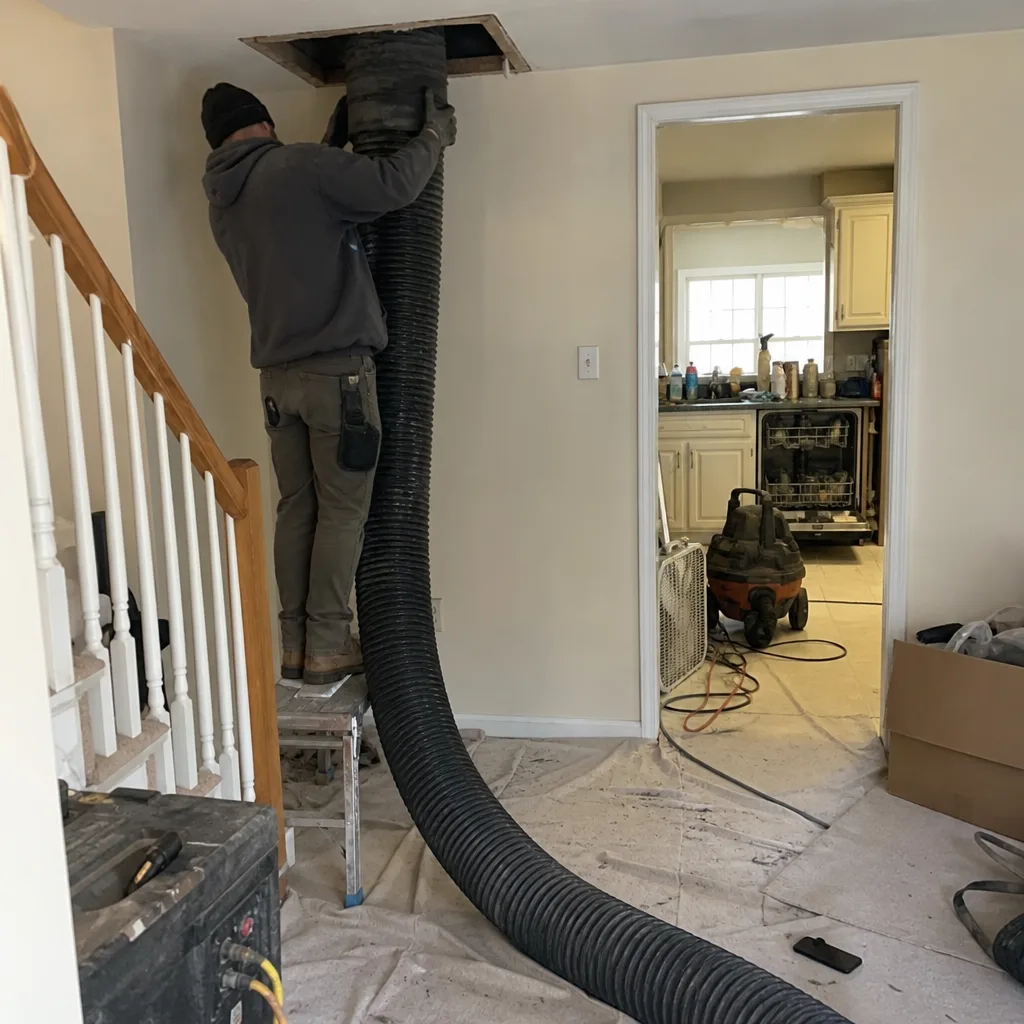 Before
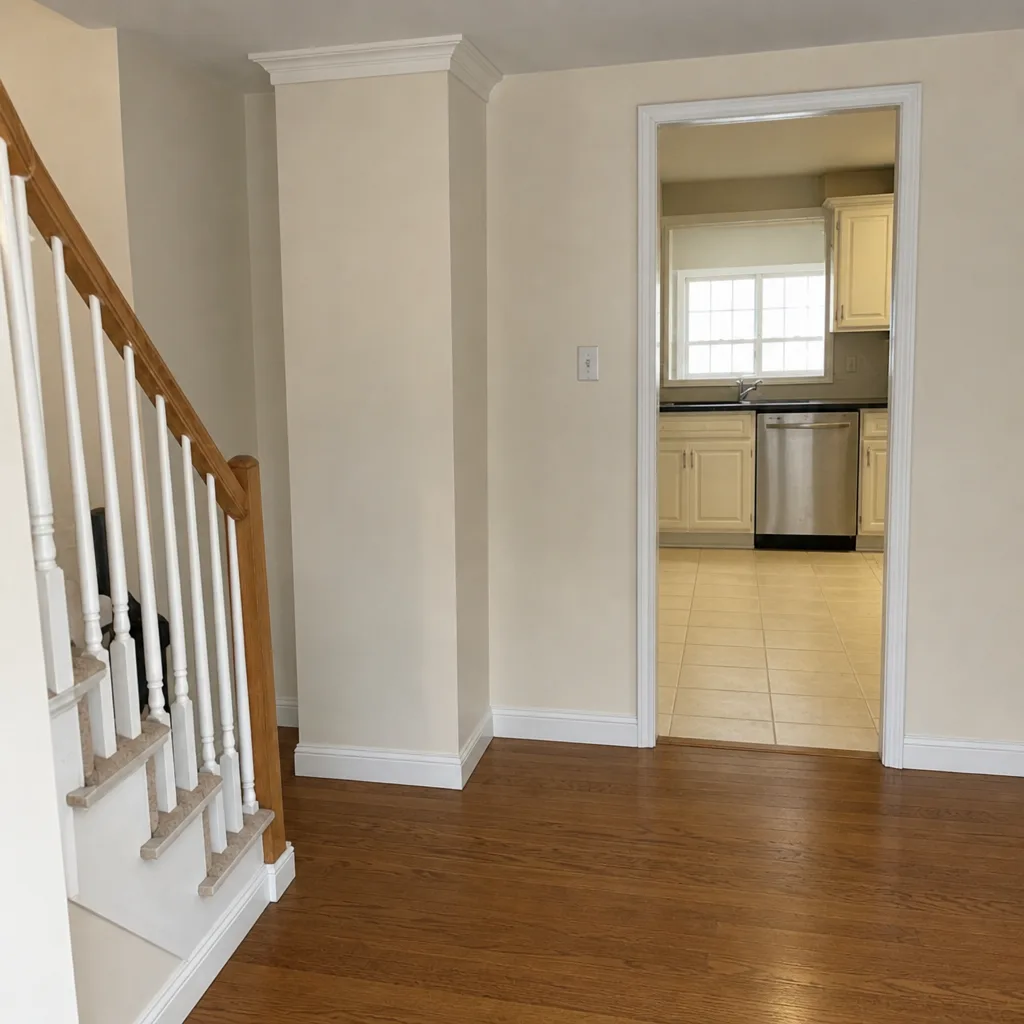 After
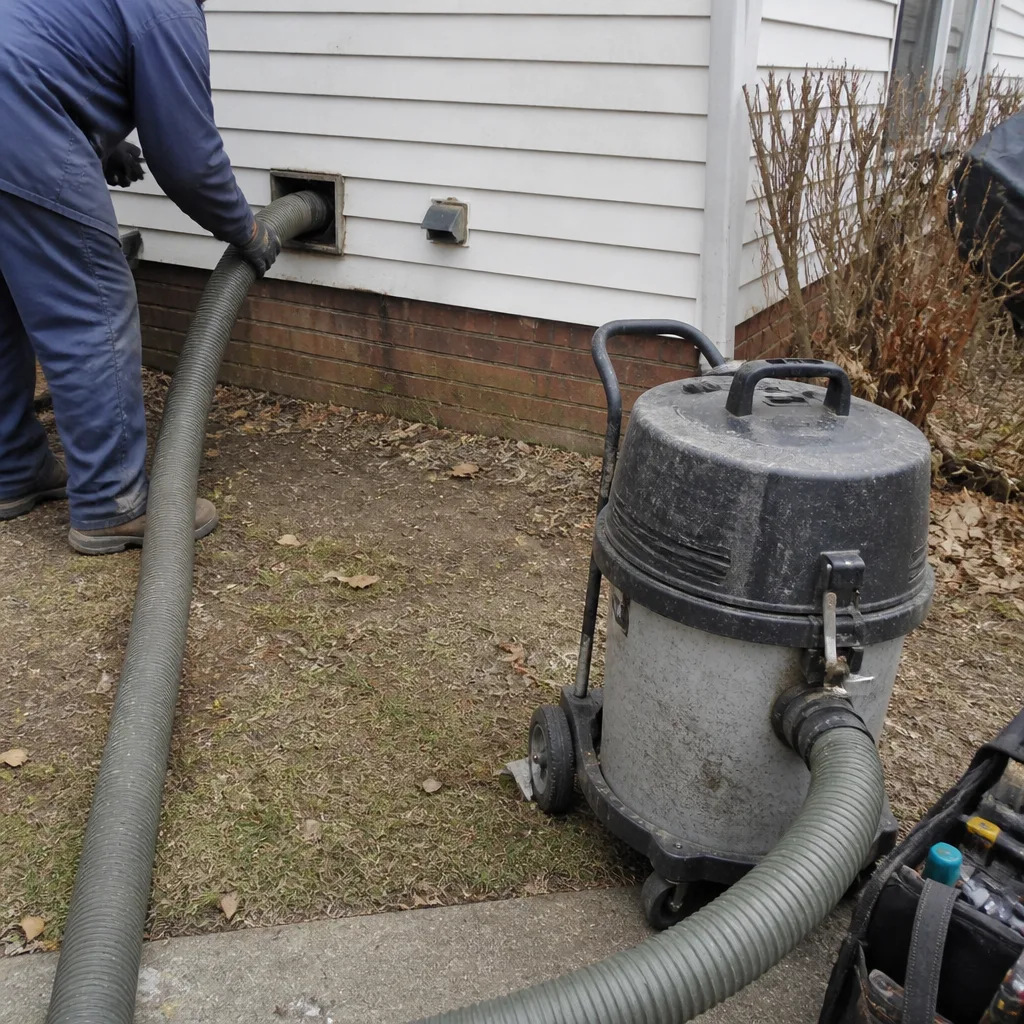 Before
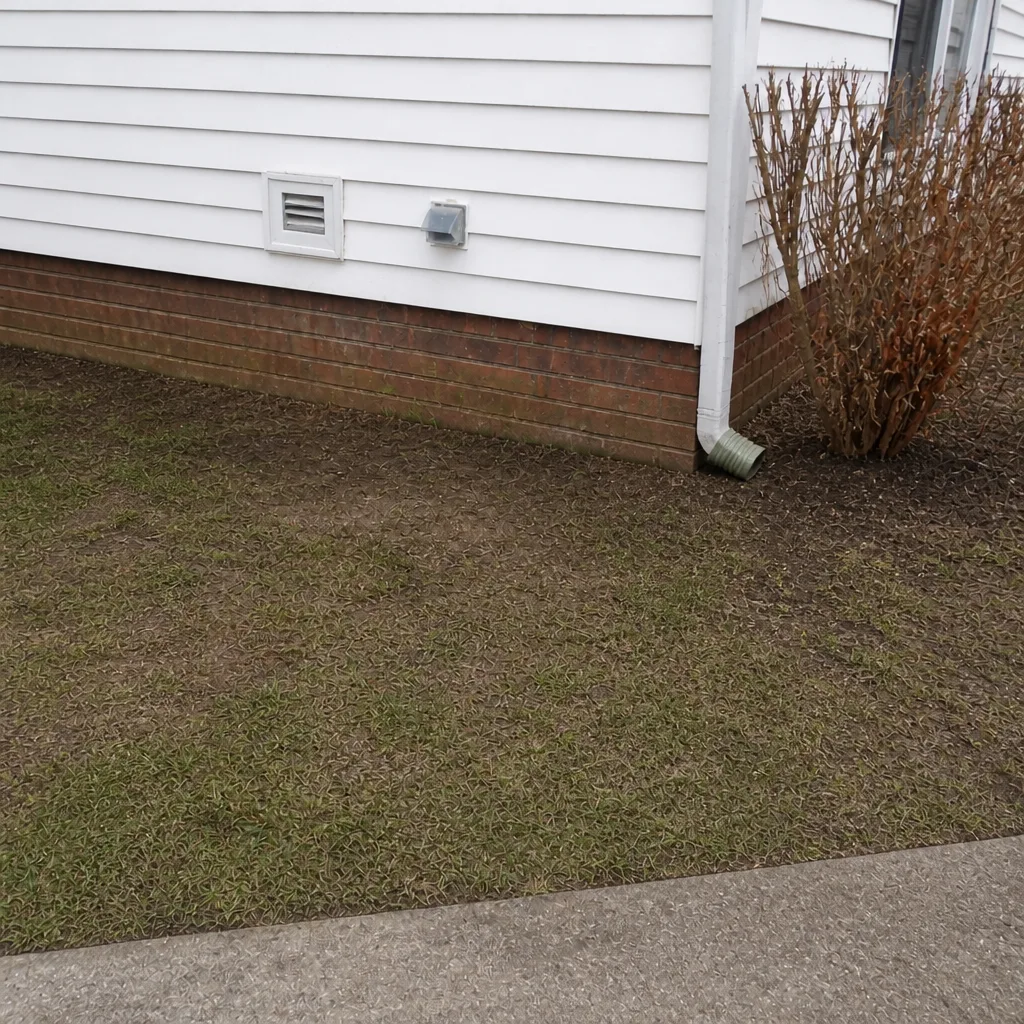 After
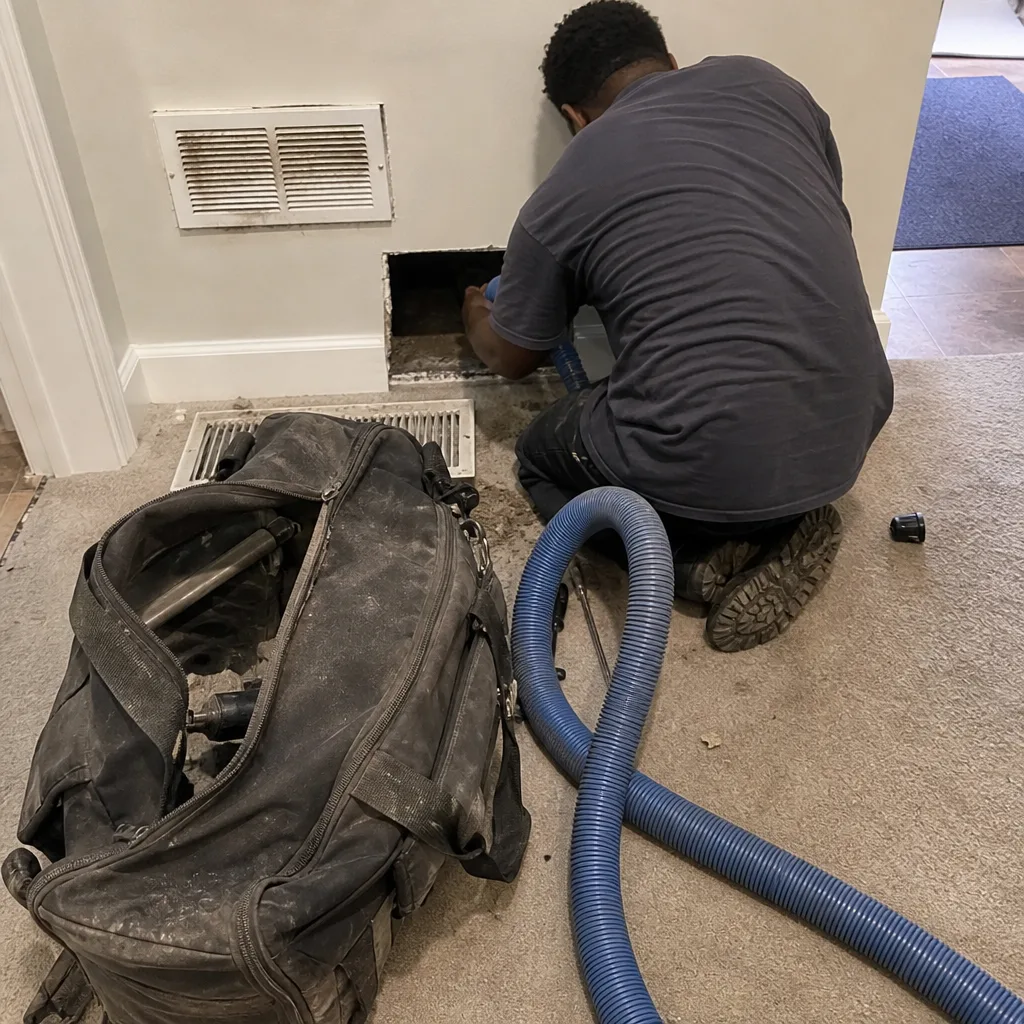 Before
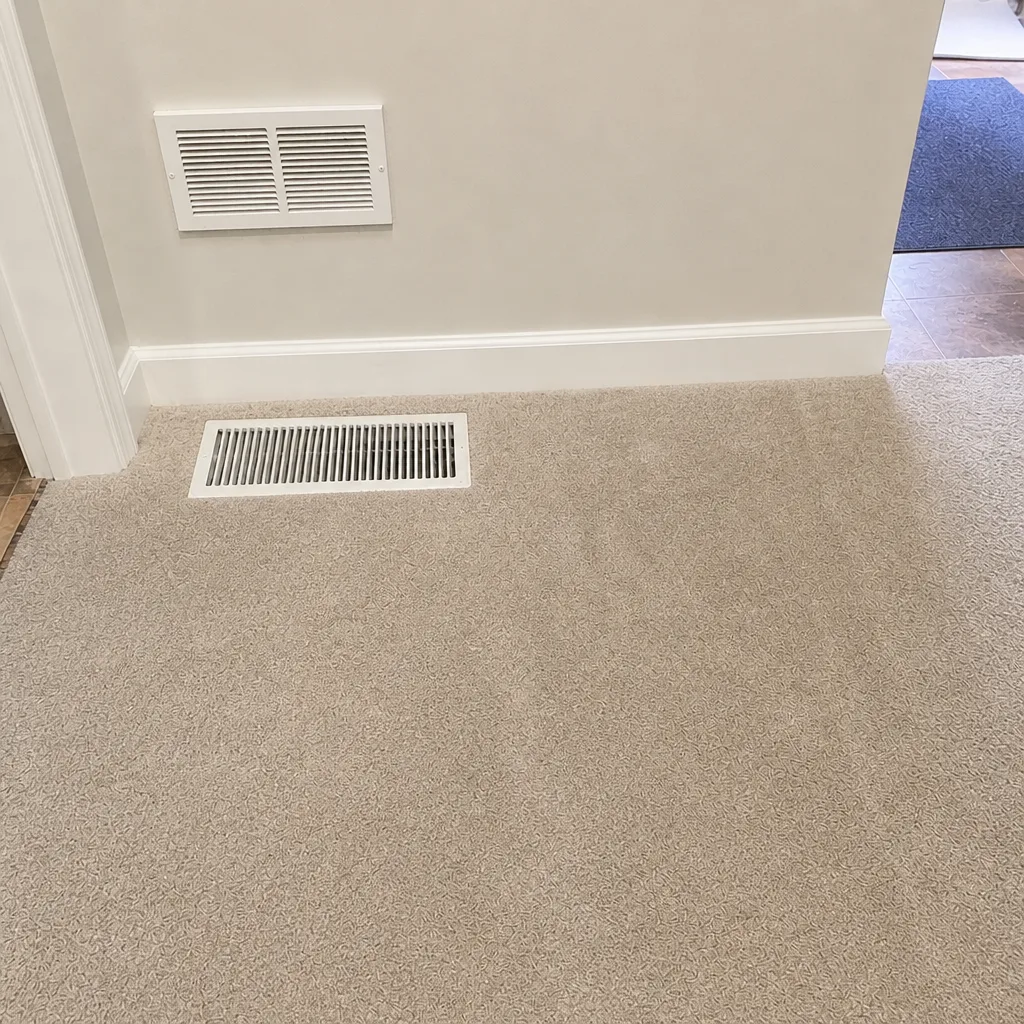 After
When to Call a Professional
Duct cleaning is a scheduled job, not an emergency service, and that’s fine. The scenarios that need a professional rather than a DIY approach are the ones where the system, or the code, is already in question. If your home inspector flagged ductwork during a sale, if you’re seeing condensation staining around supply registers, if a recent HVAC service found disconnected or collapsed runs, or if you’re in an older Richmond home and don’t know the permit history, those are the moments to call. Cutting into ductwork without knowing whether the job crosses into permitted mechanical work is how a $400 repair becomes a $4,000 problem at the wrong time.
Rutherford Air Duct Cleaning offers free estimates in Richmond. Call (855) 606-6205. We answer 24/7, and fast dispatch runs from 7am to 7pm, Sunday through Friday. We’ll look at what’s there, tell you honestly whether the job needs a permit, and give you a written estimate that states the scope and the price per system before anything starts. Our technicians have up to 9 years of experience, and we work with professional-grade equipment from Rotobrush, Nikro, and Abatement Technologies, so the cleaning side of the job is handled to the standard the equipment allows for, not to the standard of a hose and a shop vac.
Frequently Asked Questions
No. Air duct cleaning by itself does not require a permit in Richmond, VA because it’s maintenance on an existing system. A permit becomes relevant when the job includes repair or alteration of ductwork, such as replacing rigid sections, cutting new supply or return openings, or installing new liner. Call (855) 606-6205 for an exact scope determination on your system.
Cleaning removes debris from existing duct surfaces and doesn’t alter the system, so it stays outside permit requirements. Repair changes the system: cutting duct, replacing sections, resealing plenums, or installing new components. Those actions fall under Virginia Mechanical Code jurisdiction and may require a permit and inspection. The safe rule is to ask which category your job falls into before work starts.
Yes, in most cases. Duct repair that falls under the mechanical code generally requires a Class B licensed HVAC contractor, or work supervised by one. Ask for the license class and number in writing, and confirm the license covers the specific repair being done. A duct cleaning company that can’t produce that is not the right fit for a repair job. Call (855) 606-6205 if you want the scope walked through first.
Duct repair pricing in Richmond varies with scope: a single flex section replacement is a smaller job than a plenum reseal or a multi-run reconnect, and permit-related work adds steps. We don’t quote a one-size range because the honest answer depends on what’s under the floor. The written estimate sets the final price, and estimates are free. Call (855) 606-6205 to schedule one.
It can. Insurers investigating a fire or moisture loss will look at ductwork as part of the loss, and unpermitted modification or sealing that doesn’t meet code can turn a straightforward claim into a coverage question. Keeping permit records and inspection approvals is the simplest way to avoid that conversation. If you don’t know the permit history on your ductwork, call (855) 606-6205 before the next claim, not after.
Ask for a written scope of work, a statement of whether a permit is required and who is pulling it, the license class and number, an insurance certificate naming you as certificate holder, a materials list for any repair, and before-and-after photos of your own system. Any contractor serious about the work will produce these without complaint. Call (855) 606-6205 and we’ll send a written estimate with the scope stated clearly.
Usually not for interior duct work. The Commission of Architectural Review oversees exterior changes in districts like Church Hill, the Fan, and Jackson Ward, so an interior duct repair generally doesn’t trigger their review. A repair that adds an exterior vent or modifies a visible roof component can, and that review typically has to clear before the exterior work is permitted. Ask before cutting.
The buyer’s inspector may flag it, and the buyer’s agent will ask for documentation. If the work was permitted and inspected, that paperwork answers the question. If it wasn’t and it should have been, it becomes a negotiation item. Track down any permit record before the inspection happens, and if there isn’t one, call the city and ask for your address. Better to know ahead of time.
The Bottom Line
Duct cleaning itself doesn’t require a permit in Richmond, VA. Duct repair and alteration often do, and the distinction comes down to scope: does the job change the system, or just clean it? Confirm which category you’re in before work starts, ask for the license class in writing, and keep the permit and inspection records. In older Richmond housing stock and historic districts, this documentation habit protects you during a sale, an insurance claim, and any future inspection. Our technicians have up to 9 years of experience, and we work with Rotobrush, Nikro, and Abatement Technologies equipment so the cleaning side is handled properly. When the job crosses into repair, we say so up front. Call (855) 606-6205 for a free estimate.
Written by the team at Rutherford Air Duct Cleaning.