
Last updated November 14, 2026
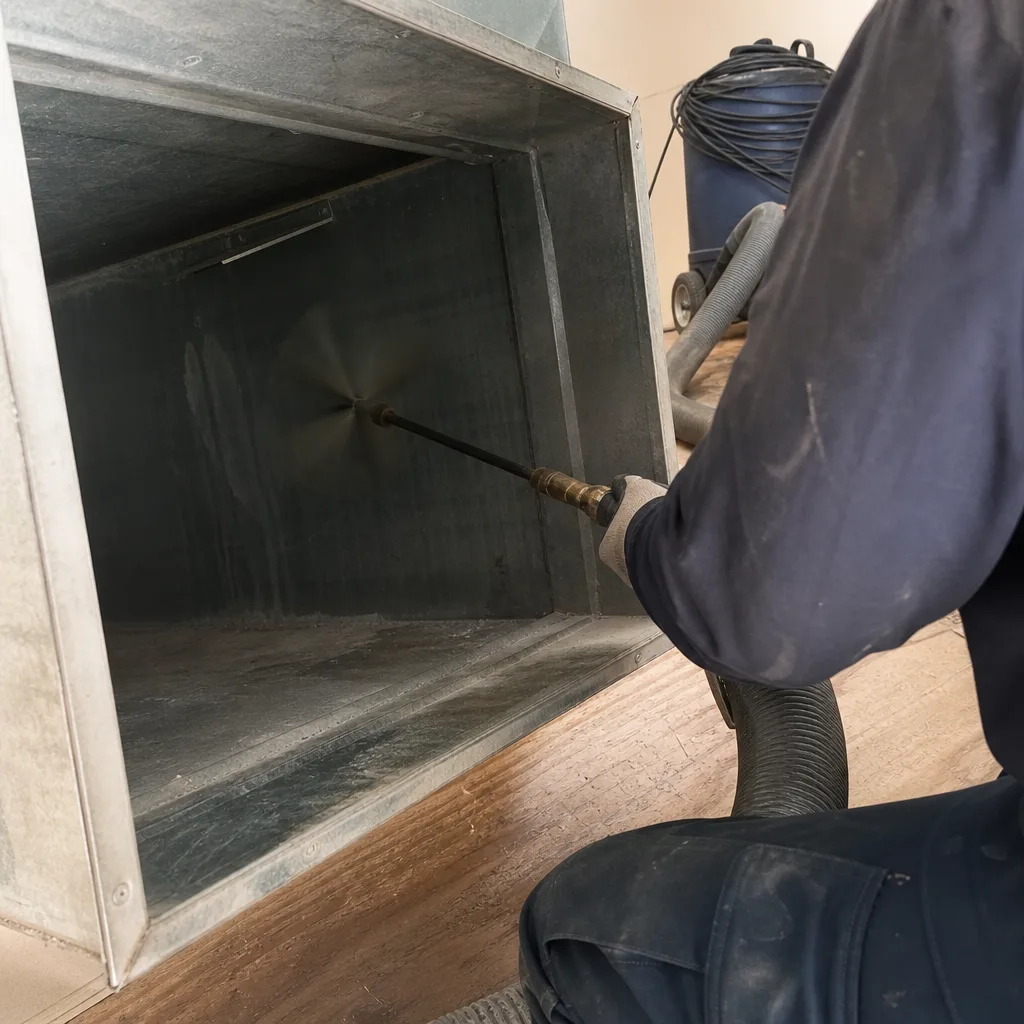
 Whole-home duct cleaning
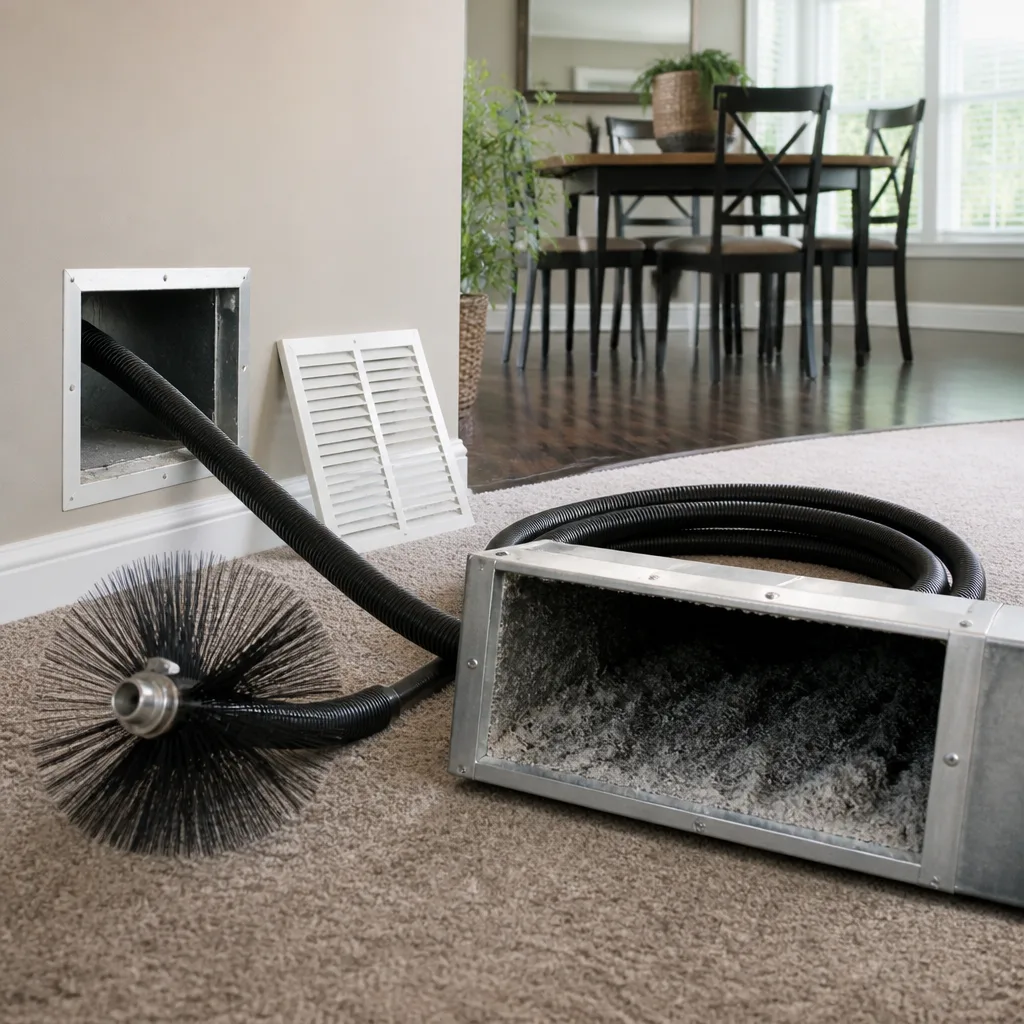
 Dryer vent cleaning
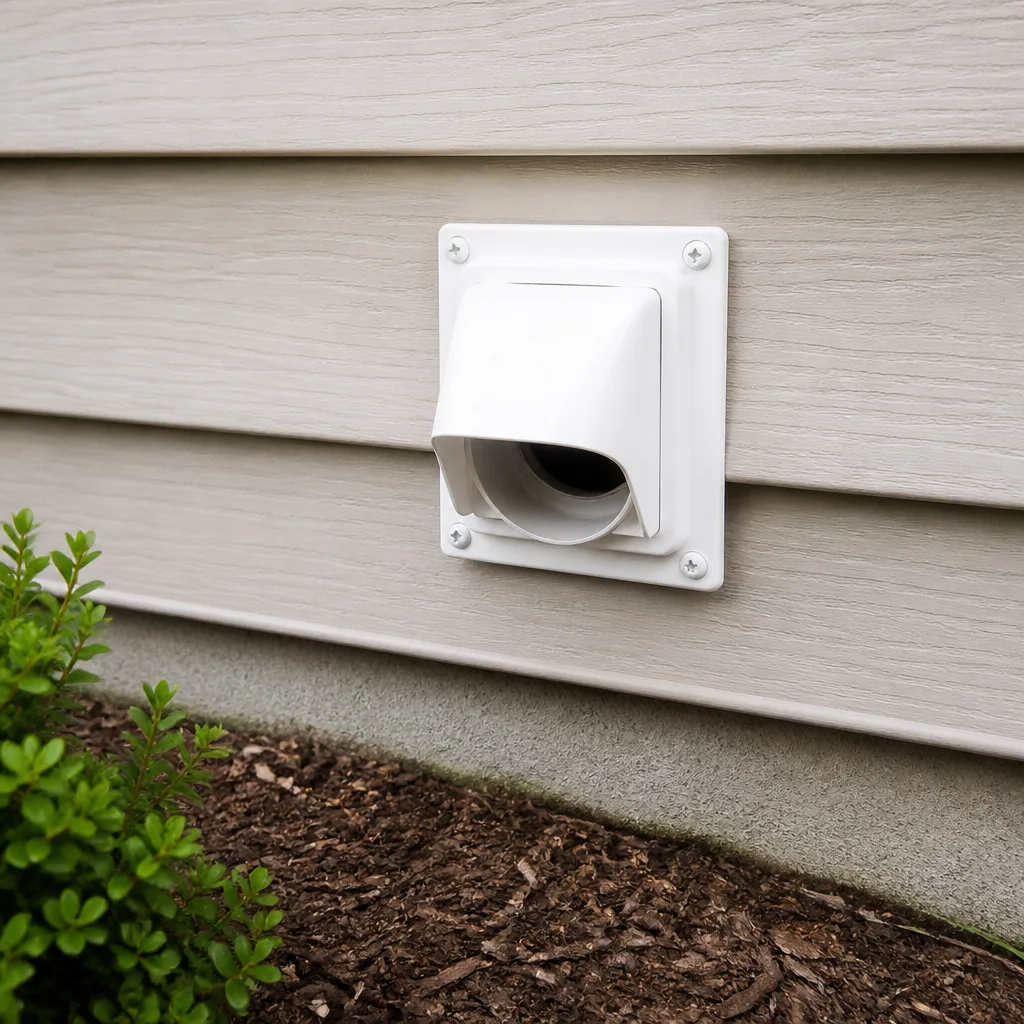
 Camera inspection
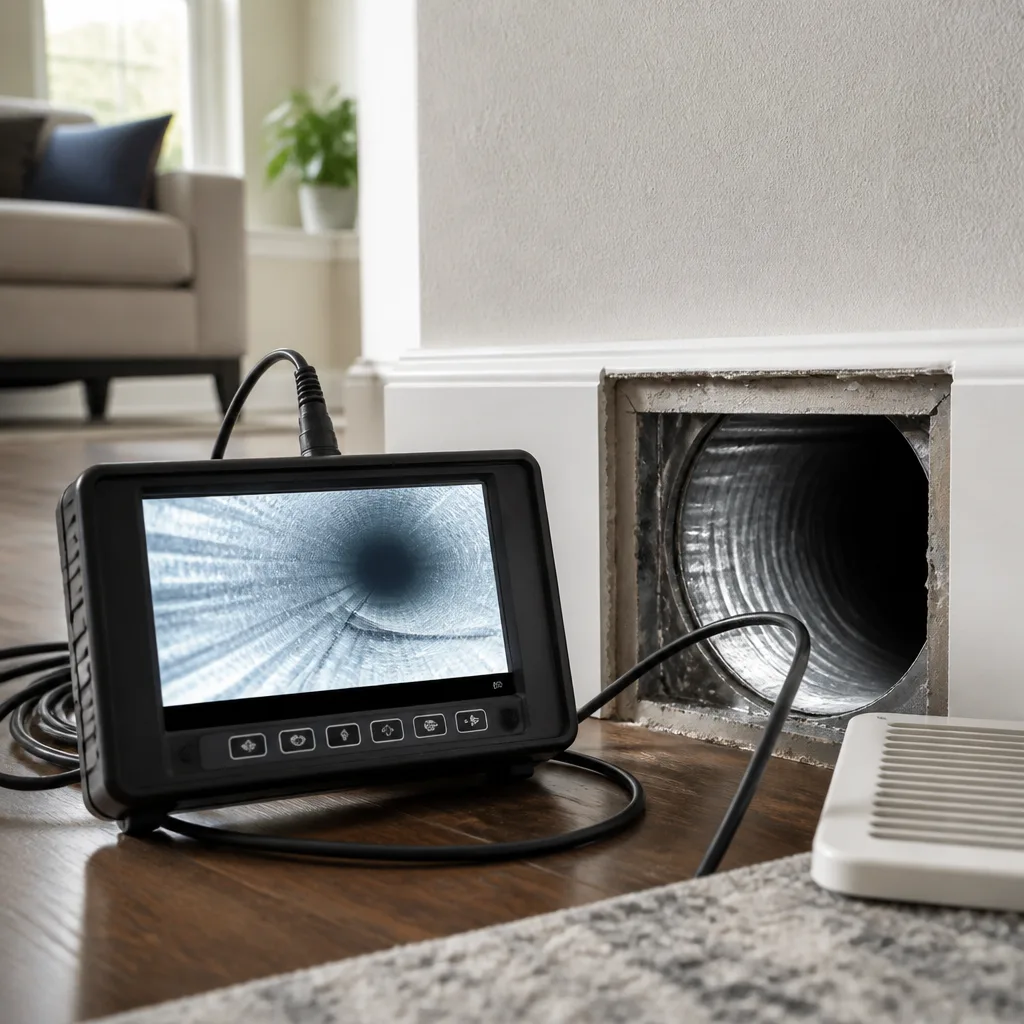
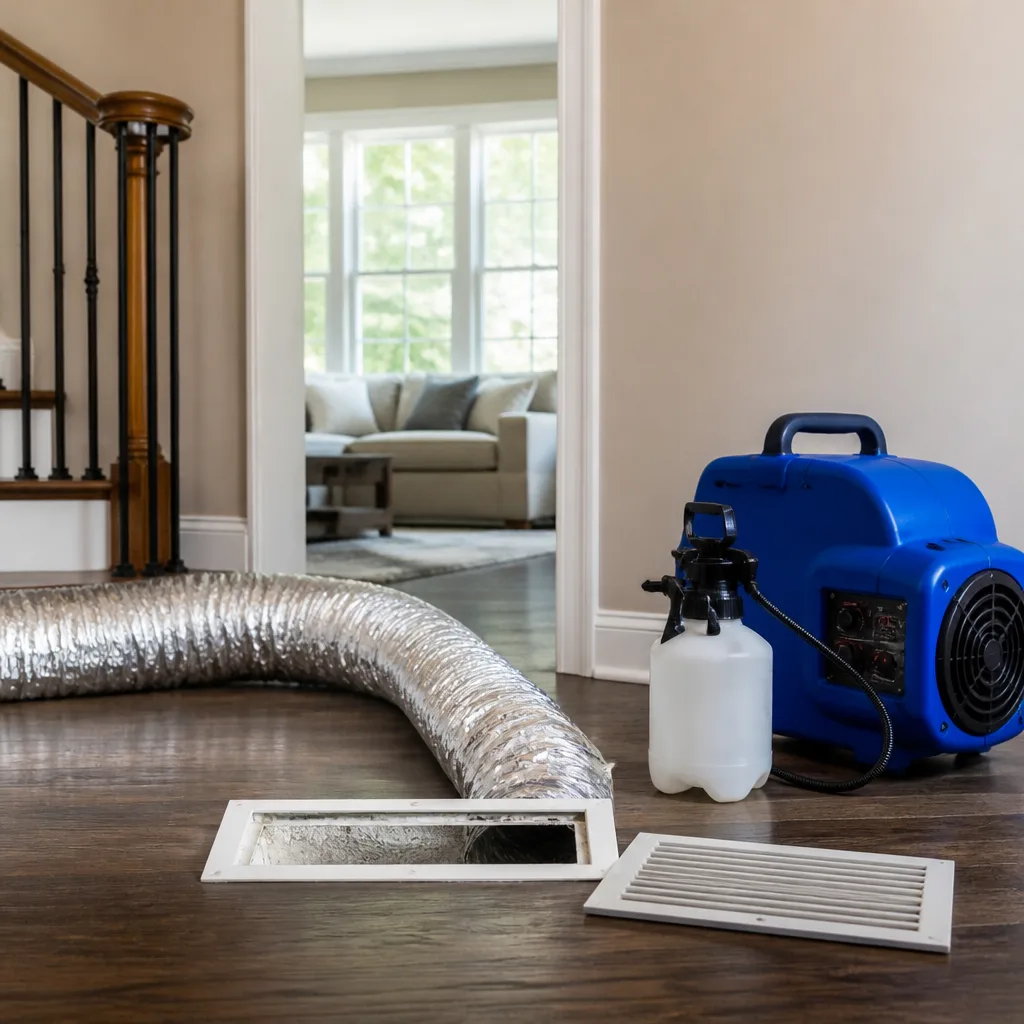 Sanitizing & deodorizing
Whole-system duct and dryer vent check with before-and-after photos - you see exactly what came out of your vents
That "$99 whole-house special" is a bait ad - the real number appears once they are in your hallway, or the "clean" is a shop-vac at the register. We photograph the inside of your ducts before and after instead.
Air Duct Cleaning Troubleshooting in Richmond: Common Problems and How to Fix Them
If you’ve replaced your air filter three times this season and still see dust settling on surfaces within days, the filter isn’t the problem – the ductwork feeding it is. Most homeowners troubleshoot at the register: they feel the vent, look at the grille, maybe vacuum around it. But weak airflow, recurring dust, and that faint musty smell almost always trace back to something upstream – a leaking joint, a clogged main trunk, a contaminated plenum. Richmond homes, with their mix of older bungalows and newer builds, deal with both kinds of problems. This guide teaches you to read your system’s symptoms diagnostically, so you know what’s actually wrong before anyone shows up at your door.
Quick Answer
Most air duct problems in Richmond come from one of two root causes: contamination (buildup of dust, debris, or mold inside the ductwork) or leakage (gaps at joints, seams, or connections that pull in unconditioned attic air or push conditioned air into crawl spaces). Weak airflow at one or two registers usually signals an obstruction or a disconnected run; uneven temperatures across rooms point to leakage or a blocked trunk; musty odors mean moisture and likely microbial growth somewhere in the system, often the plenum or evaporator coil area rather than the vent itself. A proper diagnostic starts at the air handler and works outward, not the other way around.
Styles & brands we work with
- Whole-home duct cleaning
- Dryer vent cleaning
- Camera inspection
- Sanitizing & deodorizing
Table of Contents
- How to Tell Contamination From Leakage
- Reading Your Airflow: What Weak Registers Actually Mean
- What Musty Odors at the Register Really Indicate
- Uneven Room Temperatures: Duct Problem or HVAC Sizing Issue?
- Signs a Previous Cleaning Was Surface-Only
- What You Can Check Yourself vs. What Needs Professional Equipment
- Richmond-Specific Duct Problems
- When to Call a Professional
How to Tell Contamination From Leakage
Contamination and leakage produce some of the same symptoms – dust, allergies, higher energy bills – but they need completely different fixes. Cleaning a leaking system won’t stop the dust; sealing a contaminated system won’t remove the buildup. Getting the diagnosis right is the first step.
Contamination symptoms: consistent dust on surfaces within days of cleaning, visible debris on supply grilles, black or gray streaking around register frames, and a musty or “dirty sock” smell when the system first kicks on. These point to debris and microbial growth inside the ducts.
Leakage symptoms: rooms that never quite reach temperature, higher-than-expected energy bills, whistling or hissing at joints, and dust concentrated near returns rather than distributed evenly. In Richmond’s older housing stock – particularly homes with ducts routed through unconditioned crawl spaces or attics – leakage is common because flex duct connections work loose over time.
You can do a rough spot-check yourself. Remove a supply register and look at the inside of the duct with a flashlight. A light, even coating of dust is normal. Heavy accumulation, visible debris chunks, or dark staining on the duct walls is contamination. Then feel around the boot where the duct meets the floor or wall. If you can feel air escaping at the seam while the system runs, that’s leakage. This simple test separates most cases before you spend money on the wrong service.
Reading Your Airflow: What Weak Registers Actually Mean
Weak airflow at one register, while others blow strong, almost always points to an obstruction or a disconnected run feeding that register – not a failing furnace. When all registers are weak, the diagnosis shifts: it’s usually a clogged filter, a failing blower, or a main trunk that’s crushed or blocked.
Here’s a systematic airflow diagnosis you can do in about 20 minutes:
- Test every register with a piece of tissue. Hold it against the grille while the fan runs. Note which registers move it strongly, weakly, or not at all. A map of strong-vs-weak helps enormously when you call for service.
- Check the filter. A clogged filter starves the whole system. If you’ve replaced it recently and airflow hasn’t improved, move to the next step.
- Inspect the duct run behind weak registers. If the duct is accessible in a crawl space or attic, look for crushed flex duct, disconnected joints, or debris blocking the run.
- Check the main trunk. Poor airflow everywhere usually traces to the trunk line, not individual runs. This requires access to the ductwork, which isn’t always easy in Richmond homes with sealed or low-clearance crawl spaces.
- Listen for whistling. A high-pitched whistle at a register usually means a size mismatch or a nearly closed damper, not contamination.
If the tissue test shows uniform weakness everywhere and the filter is clean, you’re past the homeowner troubleshooting stage. That’s when a professional-grade camera and airflow meter earn their keep.
What Musty Odors at the Register Really Indicate
A musty smell at a register is a strong indicator of moisture and microbial growth somewhere in the system – but the growth is rarely at the vent itself. It’s almost always located at the evaporator coil, the plenum above the air handler, or inside the duct runs where condensation forms. The vent is just where the smell exits.
Richmond’s humid summers are a real driver here. When a system cools air, moisture condenses on the evaporator coil. If the coil or drain pan is dirty, draining poorly, or if a duct run sits in a humid crawl space without proper insulation, that moisture stays put and supports mold and bacteria. The musty smell is the signal; the growth is the problem.
What you can verify yourself:
- Look for standing water in the condensate drain pan under the air handler.
- Check whether the drain line is clogged (a common cause of overflow and moisture).
- Smell directly at the air handler return – if the odor is strongest there, the problem is likely upstream of the ducts, in the plenum or coil.
- Check for condensation on exposed ductwork in crawl spaces or attics.
What you cannot verify yourself is whether mold growth is present inside the duct lining, on the coil fins, or in the plenum. That requires either a borescope or a professional inspection with proper lighting. If the musty smell persists after a filter change and the drain pan looks dry, it’s time for a professional diagnostic – this is an indoor air quality issue, not a cosmetic one.
Uneven Room Temperatures: Duct Problem or HVAC Sizing Issue?
Uneven temperatures across rooms are one of the most misdiagnosed duct problems in Richmond. Furnaces and air conditioners get blamed when the equipment is fine but the ductwork is starving one part of the house. The key test: if the imbalance is consistent and room-specific, it’s likely duct-related. If it’s uniform – every room is a few degrees off – you may be looking at an HVAC sizing issue.
Duct-related uneven temperatures look like this:
- One or two specific rooms are always too warm or too cool, others are fine
- The underperforming rooms have weak airflow at their registers
- The imbalance gets worse on the hottest or coldest days
- Some rooms strengthen noticeably when other registers are closed
HVAC sizing issues look like this:
- The whole house struggles equally to keep up
- The system runs nearly continuously in peak weather
- Short-cycling or long runtimes that don’t correlate to specific rooms
Richmond homes with finished bonus rooms over garages are a classic example of the duct problem. The supply run feeding that room is often long, undersized, or routed through a hot attic, so the air arrives lukewarm. Sizing the system up won’t fix it. Fixing the duct run – sealing leaks, improving insulation on the run, or rebalancing dampers – usually does. This is where a company that also does duct repair, not just duct cleaning, gives you a real answer.
Signs a Previous Cleaning Was Surface-Only
Not every “cleaning” reaches the parts of the system that matter. A shop-vac pass over the registers and the first few feet of the runs is not the same as a proper whole-system cleaning, and there are visible signs you can check afterward.
Watch for these indicators that a previous cleaning didn’t touch the main trunk lines or did only a surface pass:
- Registers are clean but duct interiors are not. Pull a register and shine a flashlight upstream. If the duct interior is still coated with debris while the grille sparkles, the cleaning stopped at the surface.
- Main trunk lines feel dusty. Many cleaning rigs can’t reach the large trunk lines that feed the whole system. If the trunk is visibly dirty, the main body of the system wasn’t addressed.
- No change in dust accumulation in the weeks after. A genuine cleaning noticeably reduces recurring dust. A surface pass doesn’t.
- The air handler and coil were left alone. Cleaning ducts without cleaning the coil and air handler is a partial job. Debris on the coil recontaminates the system quickly.
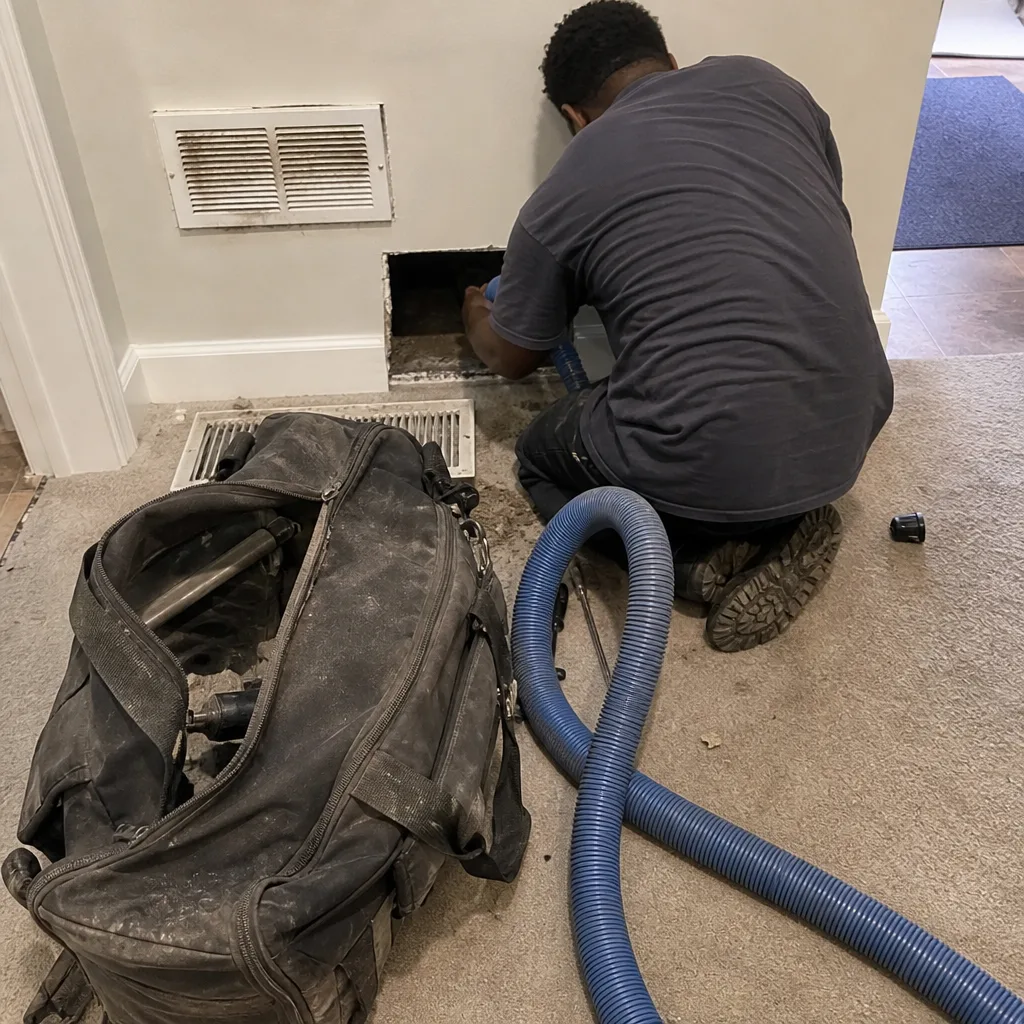
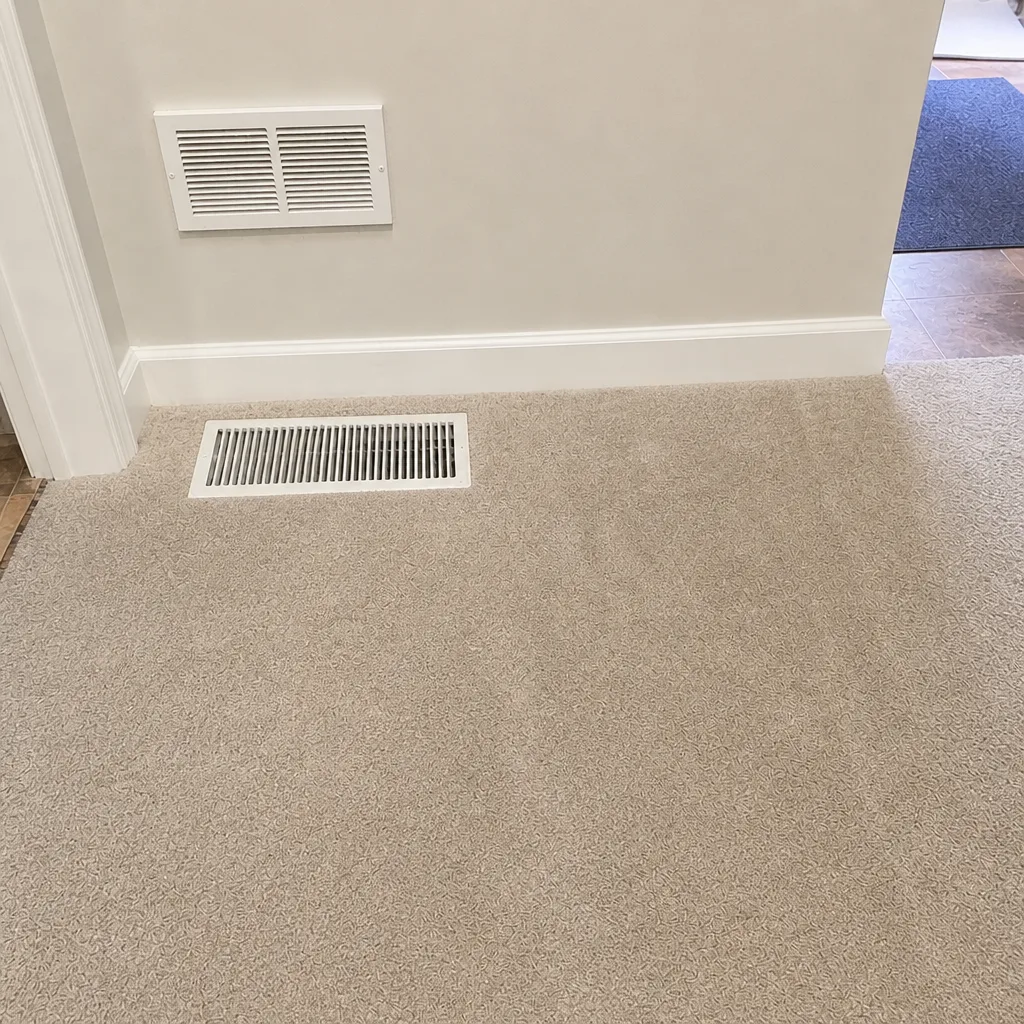
- No photographic evidence. Meaningful cleaning includes before-and-after photos of the actual ductwork. If none were offered, ask why.
The equipment gap matters here. Consumer and contractor-grade vacuums pull air but don’t create the negative pressure and HEPA filtration needed to actually evacuate the debris and contain it. Professional systems – the kind built by Nikro or Rotobrush, paired with Abatement Technologies negative-air filtration – are designed to move the debris out of the system and capture it, not just disturb it. That’s the difference between surface-only and a genuine clean.
What You Can Check Yourself vs. What Needs Professional Equipment
Some troubleshooting is genuinely a homeowner job. Others require equipment that doesn’t belong in a rental. Here’s the honest dividing line.
What you can verify without special equipment:
- Tissue-test airflow strength at every register
- Filter condition and filter replacement schedule
- Visible dust and debris at registers and boots
- Drain pan water and condensate line clogs
- Whether joints are visibly separated on accessible runs
- Where the musty smell is strongest
What needs professional tools and training:
- Interior condition of duct runs beyond the first bend
- Mold presence in the plenum, coil, or duct lining
- Trunk line obstructions and partial collapses
- System-wide pressure and airflow measurement
- Sealing leaks inside ceiling voids and crawl spaces
- Confirming whether a run is disconnected behind a wall
We’ve seen plenty of Richmond homeowners spend money on DIY remedies – wrapping registers in plastic, blocking vents in unused rooms, or spraying deodorizers into the return – that either mask the problem or make leakage worse. If your tissue test shows a system-wide pattern you can’t explain, or the musty smell won’t clear, the professional diagnostic is the cheaper move. Clean air starts with clean ductwork, and clean ductwork needs the right tools for the diagnostic, not just the cleaning.
Richmond-Specific Duct Problems
Richmond’s climate and housing stock shape duct problems in ways you won’t read about on a generic troubleshooting page. Understanding them helps you read your own system’s symptoms more accurately.
Humidity and mold. Richmond summers run humid, and that’s the primary driver of musty duct odors locally. Ducts routed through crawl spaces absorb that humidity, and any condensation inside the run becomes a mold nursery. This is why musty smells at Richmond registers are so often about the coil and plenum, not the vent itself.
Older crawl space ducts. A lot of Richmond’s older housing stock routes ductwork through unconditioned crawl spaces. Flex duct connections work loose, insulation degrades, and the duct often pulls in humid crawl space air. Leakage here looks exactly like weak airflow at registers on the far side of the house.
Bonus rooms and additions. Richmond homes with additions – a bonus room over the garage, a rear extension – often have undersized or overextended runs that never delivered properly. Homeowners blame equipment; the run is usually the answer.
Dryer vent risk. Richmond homes also deal with a fire-safety angle that gets ignored: clogged dryer vents. Lint buildup is a real hazard, and it’s a service many duct companies skip or treat as an afterthought. If your dryer takes longer than it should to dry a load, that’s a vent issue worth addressing on its own – separate from the air ducts, separate skill set, separate safety stakes.
If you want the full picture on what air duct cleaning in Richmond should actually include, the local scope is worth reading. And if your dryer is the concern rather than your HVAC, dryer vent cleaning is its own dedicated service for a reason.
Common Mistakes to Avoid
- Replacing the filter repeatedly without checking elsewhere. A filter change fixes one thing: a clogged filter. If dust returns within days, the problem is upstream in the ducts or the system is leaking. Two sentences of diagnosis beats a third filter.
- Assuming a weak register means the HVAC is dying. In Richmond, weak airflow at one or two registers is far more often a crushed flex duct, a disconnected run, or debris than a failing blower. Pricing out a new system before diagnosing the duct is money badly spent.
- Treating musty smells with sprays or air fresheners. Deodorizers mask the smell and add VOCs. If the source is mold in the plenum or coil, the growth keeps growing while the smell is covered.
- Blocking registers in unused rooms. Closing off vents increases system pressure, makes leakage worse, and can damage the blower over time. Rebalancing dampers is the correct move.
- Accepting a cleaning without photos or a scope. If the technician can’t show you the inside of the ducts before and after, you have no way to know what was actually cleaned. Ask for the before-and-after photos up front.
- Skipping the dryer vent. Lint is a fire risk. If your dryer cycles are getting longer, the vent is the first thing to check, not the appliance.
- Hiring the cheapest quote without asking what’s included. A price that doesn’t cover the main trunk lines and the air handler is a partial clean. Richmond’s duct layouts often mean skipping the trunk leaves most of the system untouched.
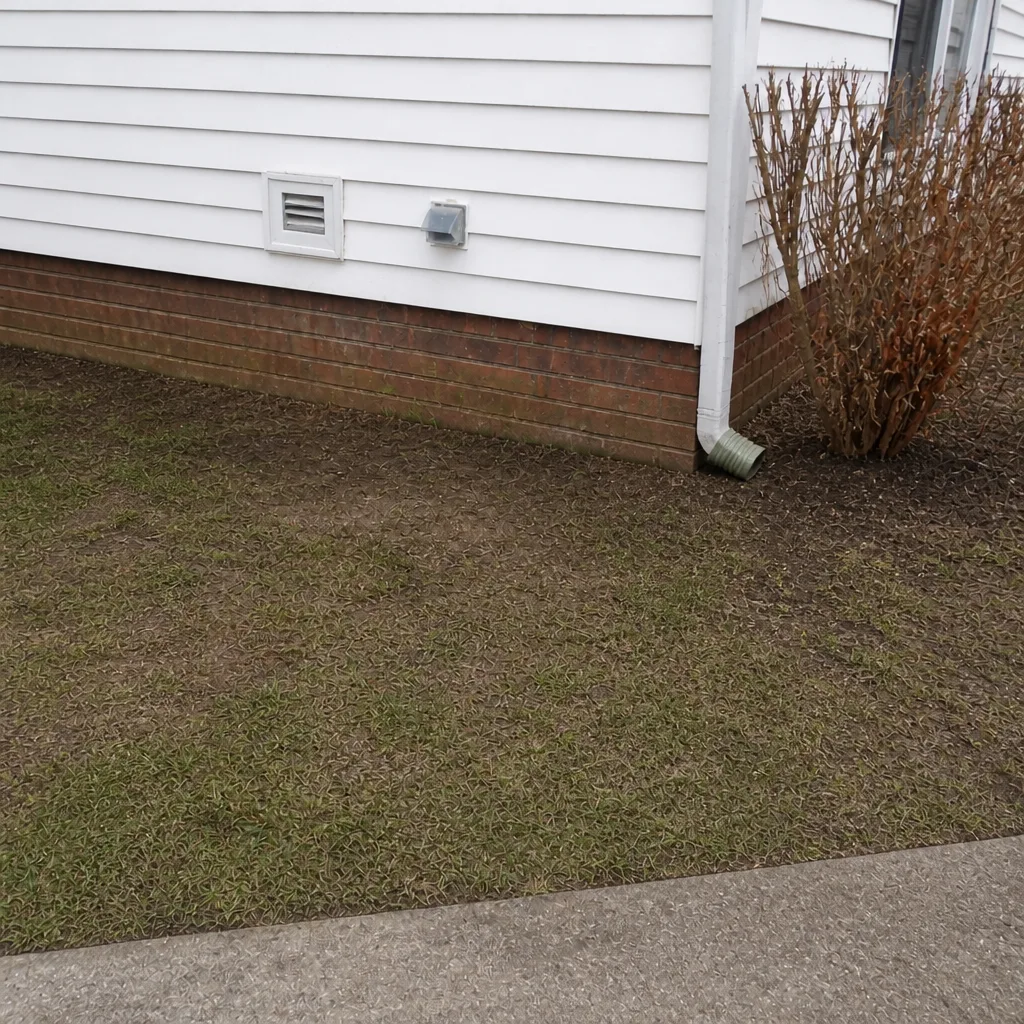
See the difference
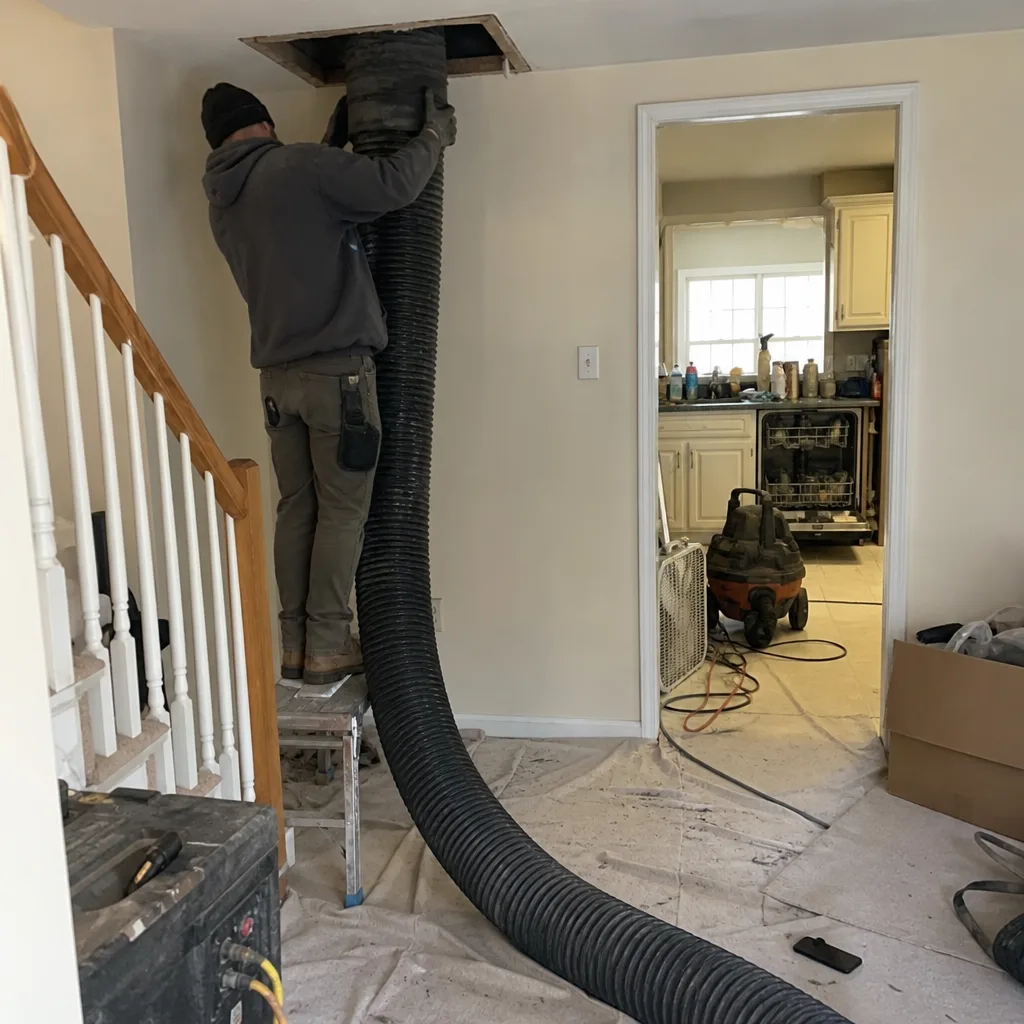 Before
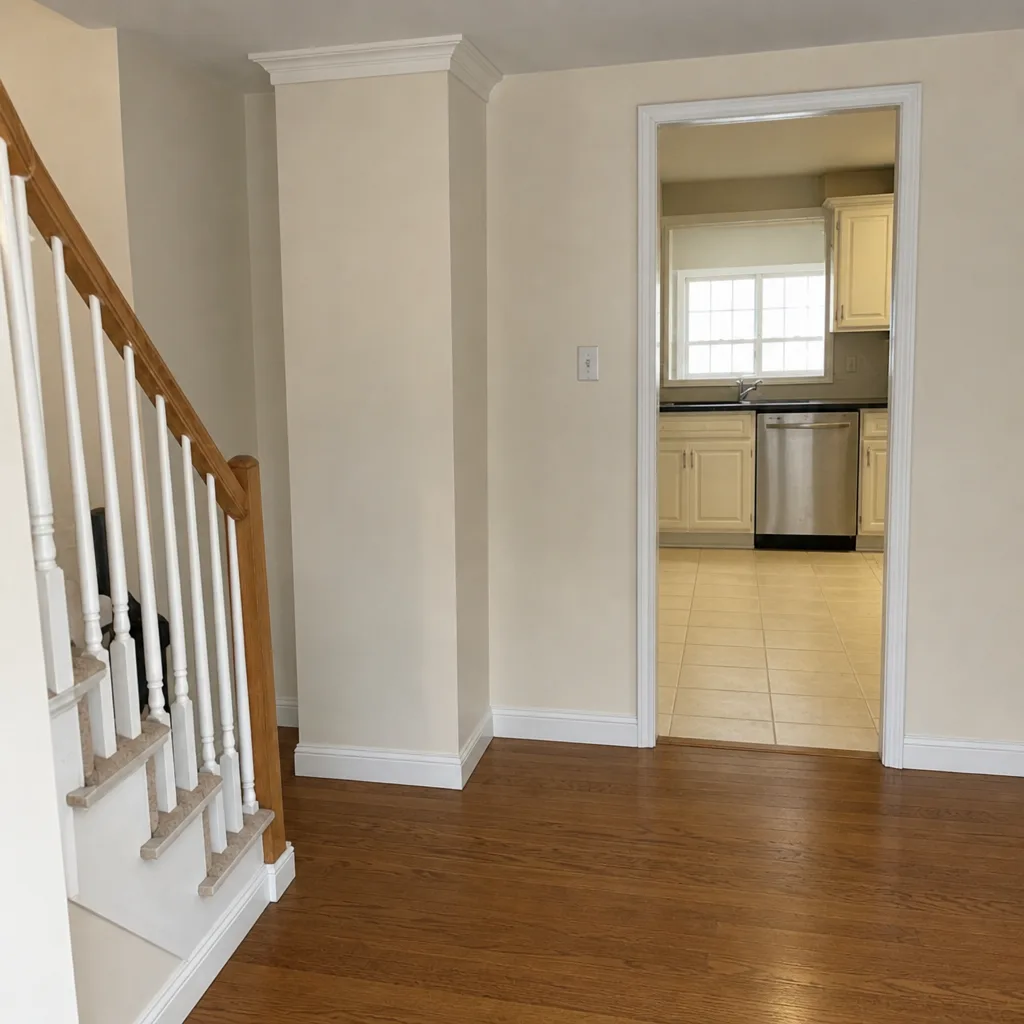 After
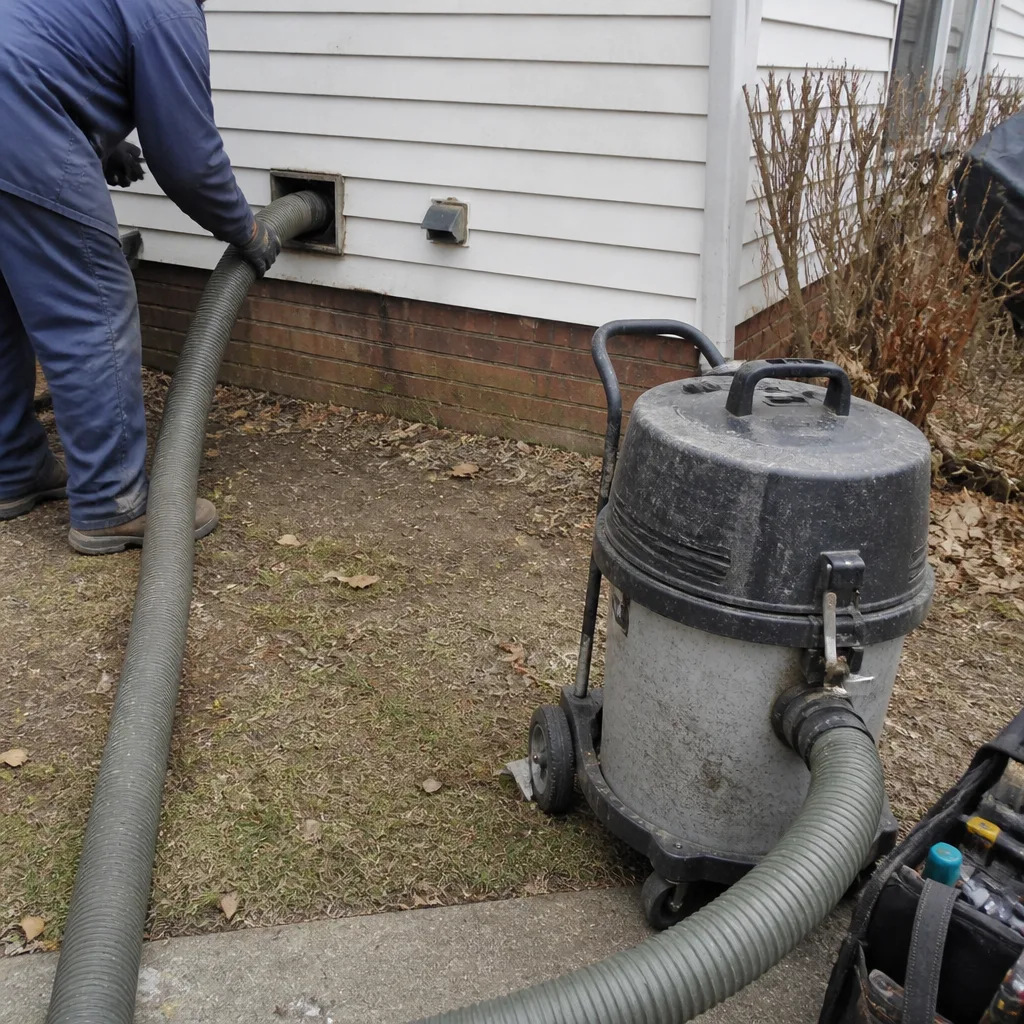 Before
 After
 Before
 After
When to Call a Professional
It’s time to call when three things line up. First, you’ve done the filter change and the tissue test, and the airflow problem is either concentrated in one area or uniform across the house. Second, the musty smell persists after checking the drain pan. Third, you’ve noticed a previous cleaning didn’t reduce recurring dust. Those are the signs a real diagnostic is needed, not another surface pass.
Our technicians have up to 9 years of experience reading duct problems in Richmond’s housing stock, and we work with equipment – Rotobrush and Nikro cleaning systems, Abatement Technologies negative-air filtration, and familiarity with Honeywell and Aprilaire air quality components – that can diagnose what a shop-vac can’t. We also do duct repair when the root cause is compromised ductwork, not just buildup. Rutherford Air Duct Cleaning offers free estimates in Richmond – call (855) 606-6205. We answer 24/7. Fast dispatch from 7am to 7pm, Sunday through Friday.
Frequently Asked Questions
Pull a supply register and look at the duct interior with a flashlight. A light, even coating of dust is normal. Heavy debris, dark staining on the duct walls, or visible mold is contamination. If the trunk lines feel dusty and the interior of the runs looks coated, the system needs a proper clean. If it’s just surface dust at the grille, it may only need a filter change. Call (855) 606-6205 if you want a professional read – estimates are free.
Musty air from the vents almost always means moisture and microbial growth in the system, usually at the evaporator coil, the plenum, or inside the duct lining – not at the vent itself. Richmond’s humid summers make this common. Check the drain pan and condensate line first. If both look fine and the smell persists, the source needs a professional scope. Call (855) 606-6205 to book a diagnostic.
Weak airflow at one or two registers is almost always a duct problem – crushed flex duct, disconnected run, or debris. Weak airflow at every register in the house is more likely a filter, blower, or trunk line issue. The tissue test tells you which. If the answer isn’t obvious after the filter check, a professional airflow measurement settles it. Call (855) 606-6205 for a free estimate.
Whole-system air duct cleaning in Richmond typically runs by job scope, not by vent count, and a written estimate sets the final price before work starts. Teaser prices per vent are a red flag – they often don’t include the main trunk lines or the air handler, which is where the real cleaning matters. Call (855) 606-6205 for an exact quote – estimates are free.
Yes, in a couple of ways. If the trunk lines and air handler weren’t cleaned, the system recontaminates quickly, so you pay again in a few months. And if debris was disturbed but not properly evacuated, it settles back into the runs. Proper cleaning means negative pressure and HEPA containment – the kind of setup Abatement Technologies filtration provides. Call (855) 606-6205 to talk scope.
Yes, they’re separate services with separate concerns. A clogged dryer vent is a fire-safety matter and lengthens dry times. If your dryer cycles are getting longer, the vent is the first thing to check – not the appliance. This is a dedicated service, not a duct-cleaning add-on. Call (855) 606-6205 to book a vent cleaning; estimates are free. For a broader look at our Rutherford Air Duct Cleaning services, see the main page.
The Bottom Line
Air duct troubleshooting works best when you read the symptom diagnostically. Weak airflow at one register points to an obstruction upstream. Uneven temperatures on specific rooms point to a duct run problem, not a sizing issue. Musty smells point to moisture and growth at the coil or plenum, not the vent. Dust that returns within days after a filter change points to contamination or leakage inside the system. If you’ve done the filter change, the tissue test, and the drain pan check and the problem is still there, a professional diagnostic is the honest next move – not another surface pass. Rutherford Air Duct Cleaning serves Richmond, VA with professional-grade equipment, dedicated air duct repair, and Richmond homeowners who’d rather solve the root cause than mask it. Call (855) 606-6205 for a free estimate. We answer 24/7. Fast dispatch from 7am to 7pm, Sunday through Friday.
Written by the team at Rutherford Air Duct Cleaning.