
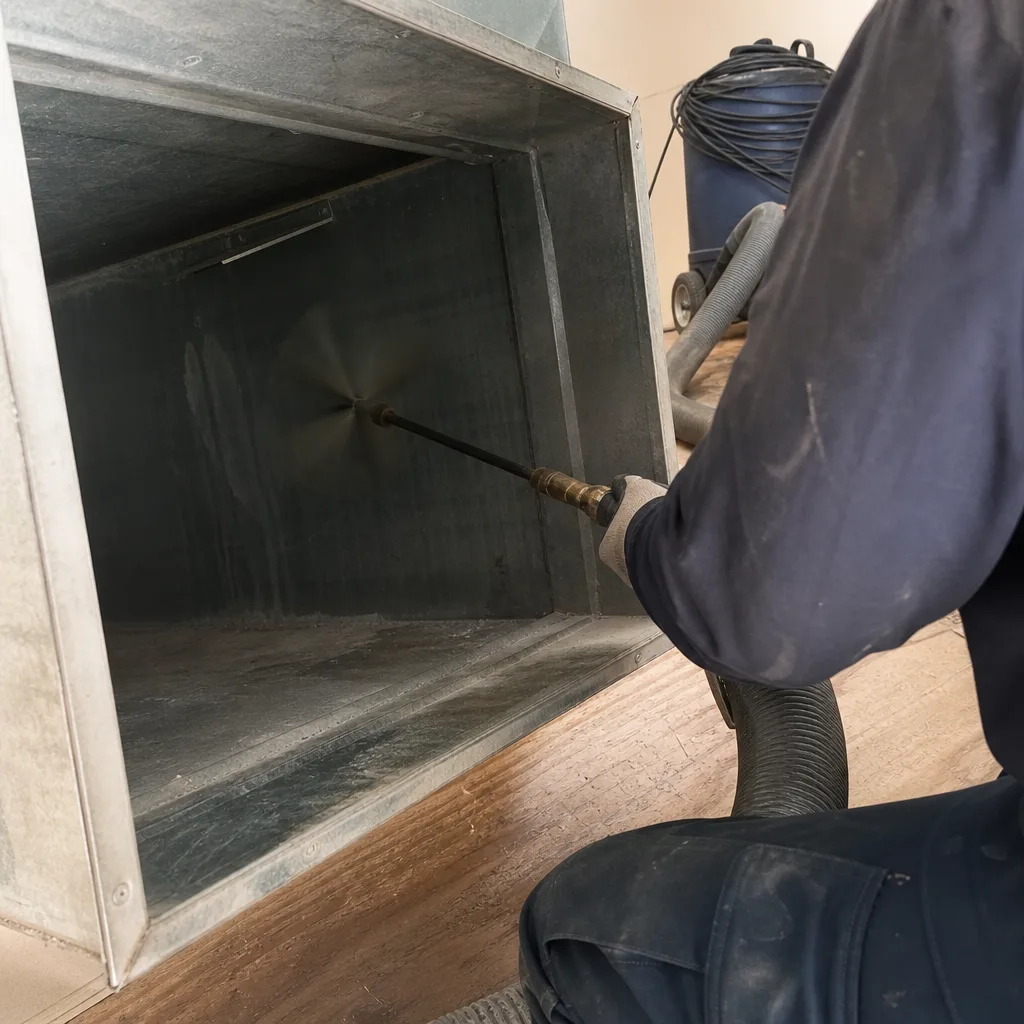
Last updated November 14, 2026
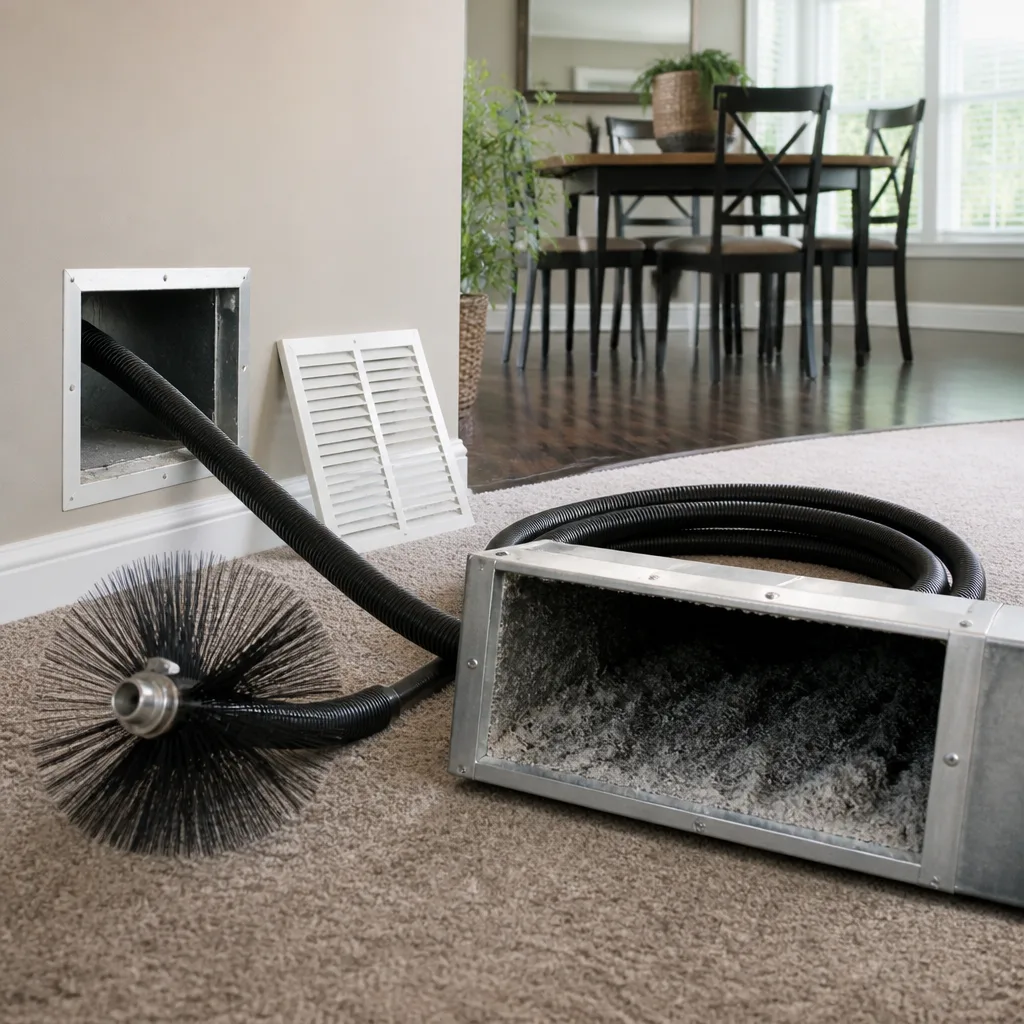 Whole-home duct cleaning
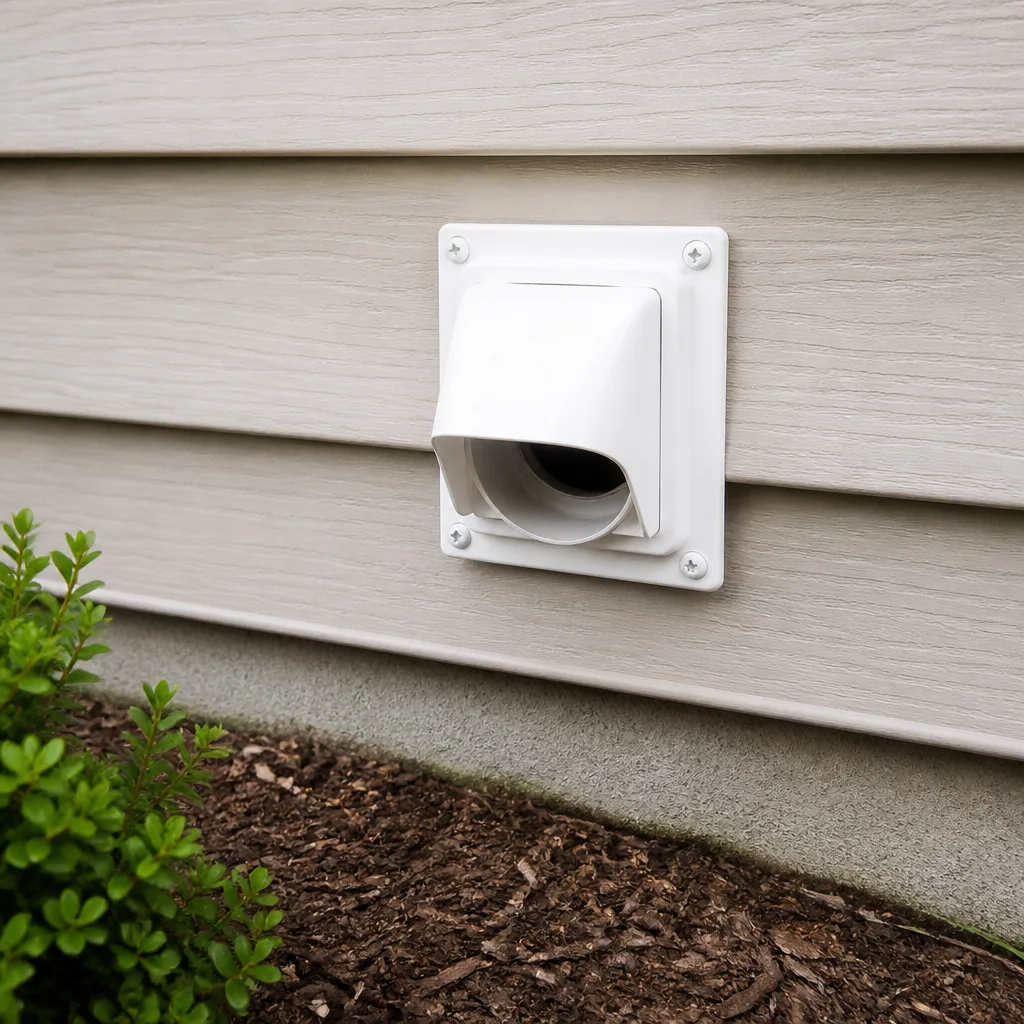 Dryer vent cleaning
 Camera inspection
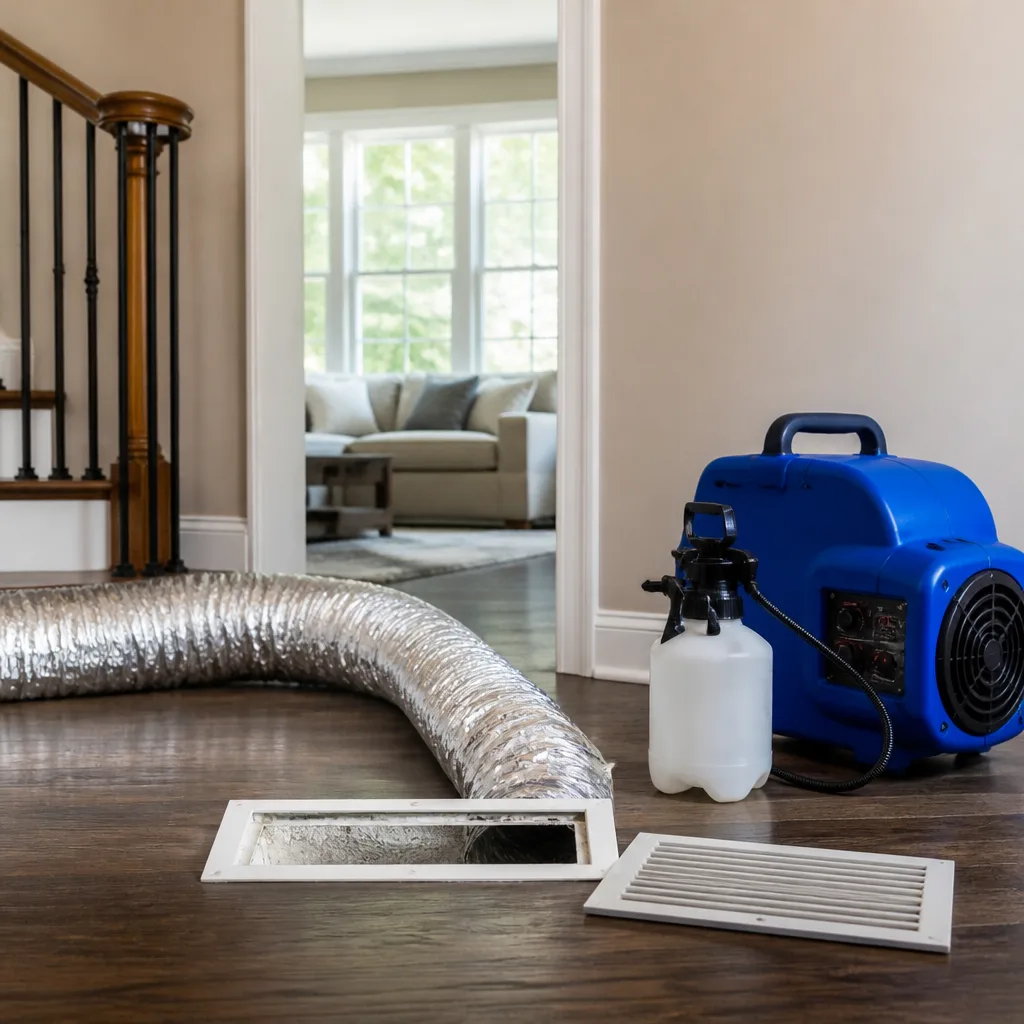 Sanitizing & deodorizing
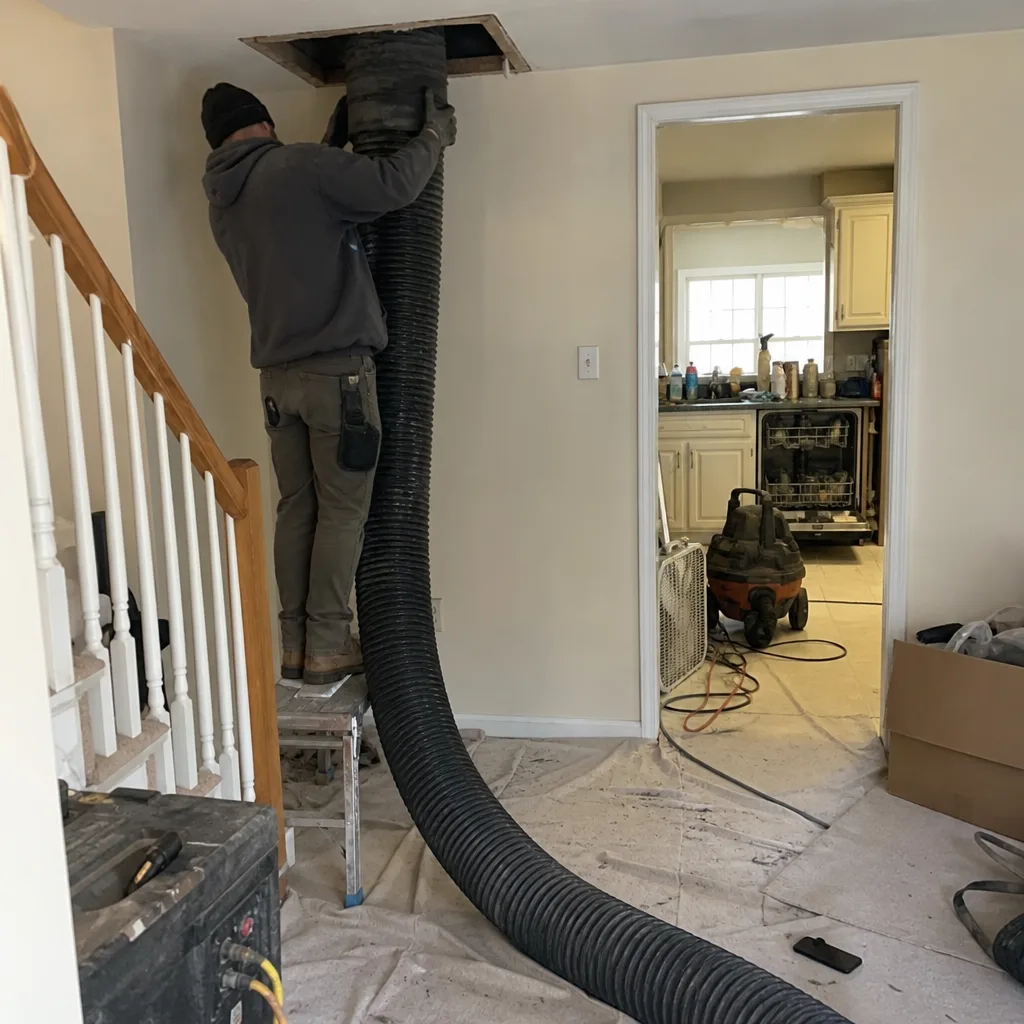
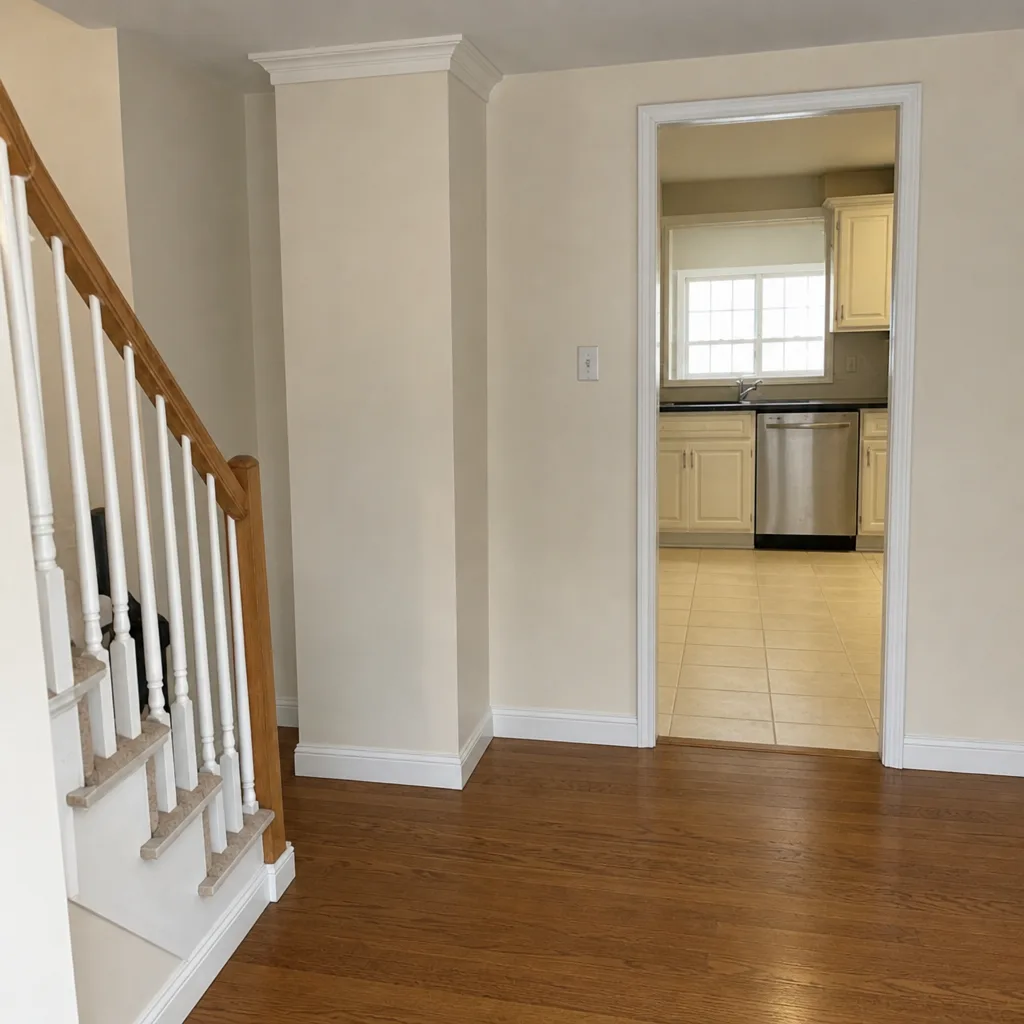
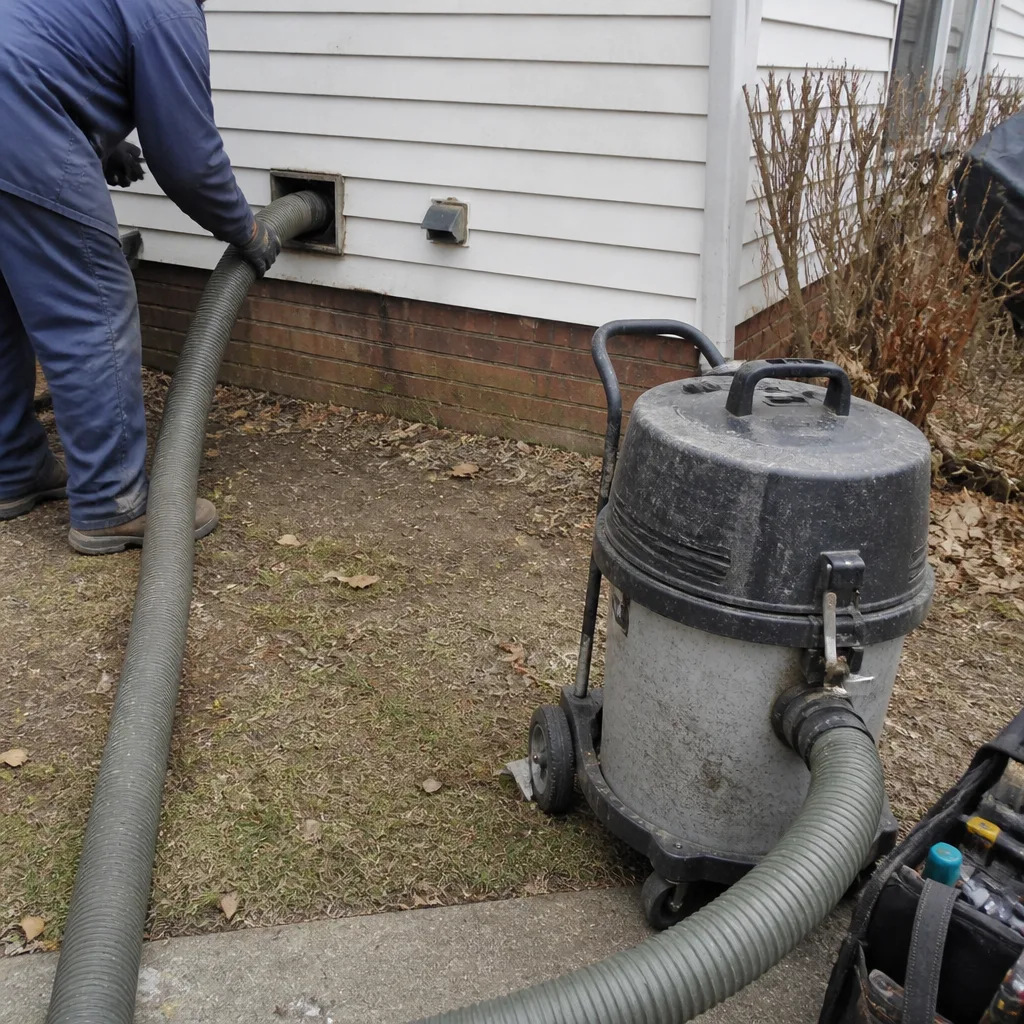
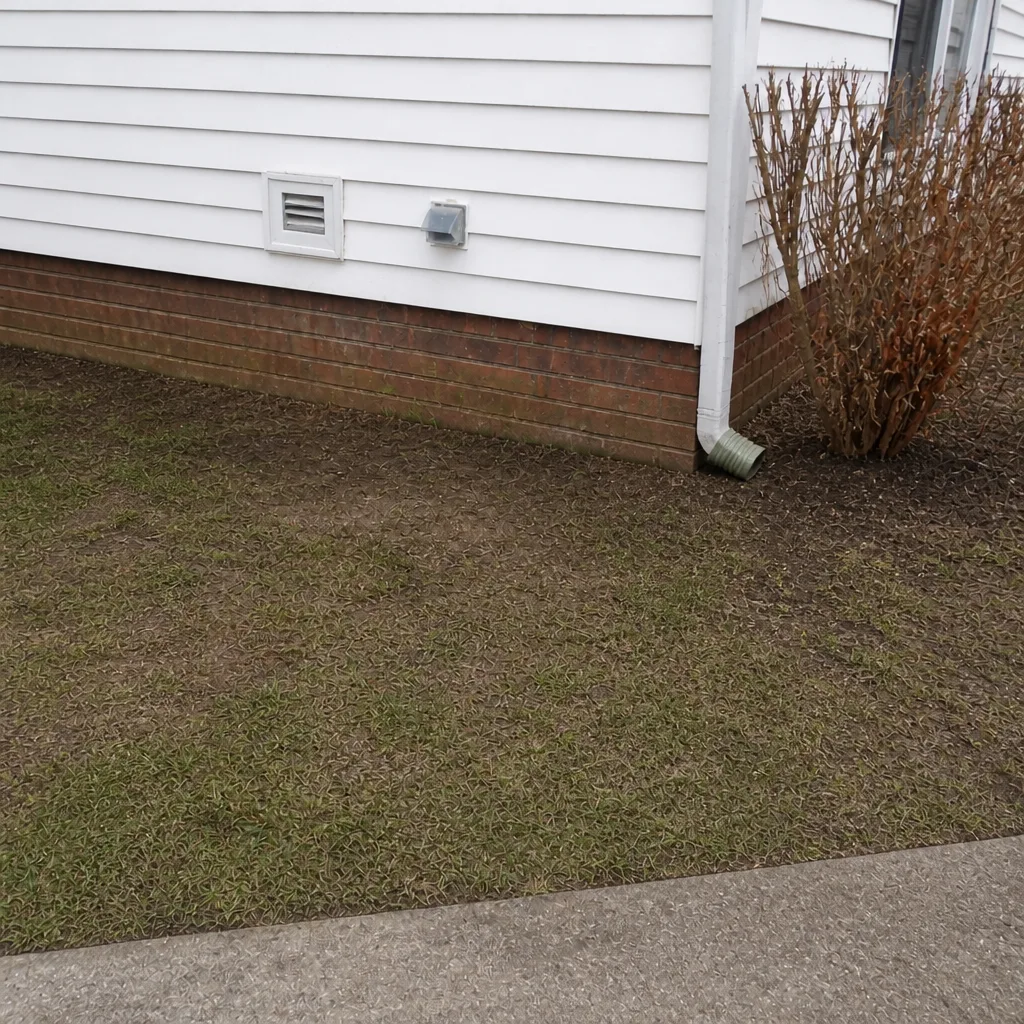
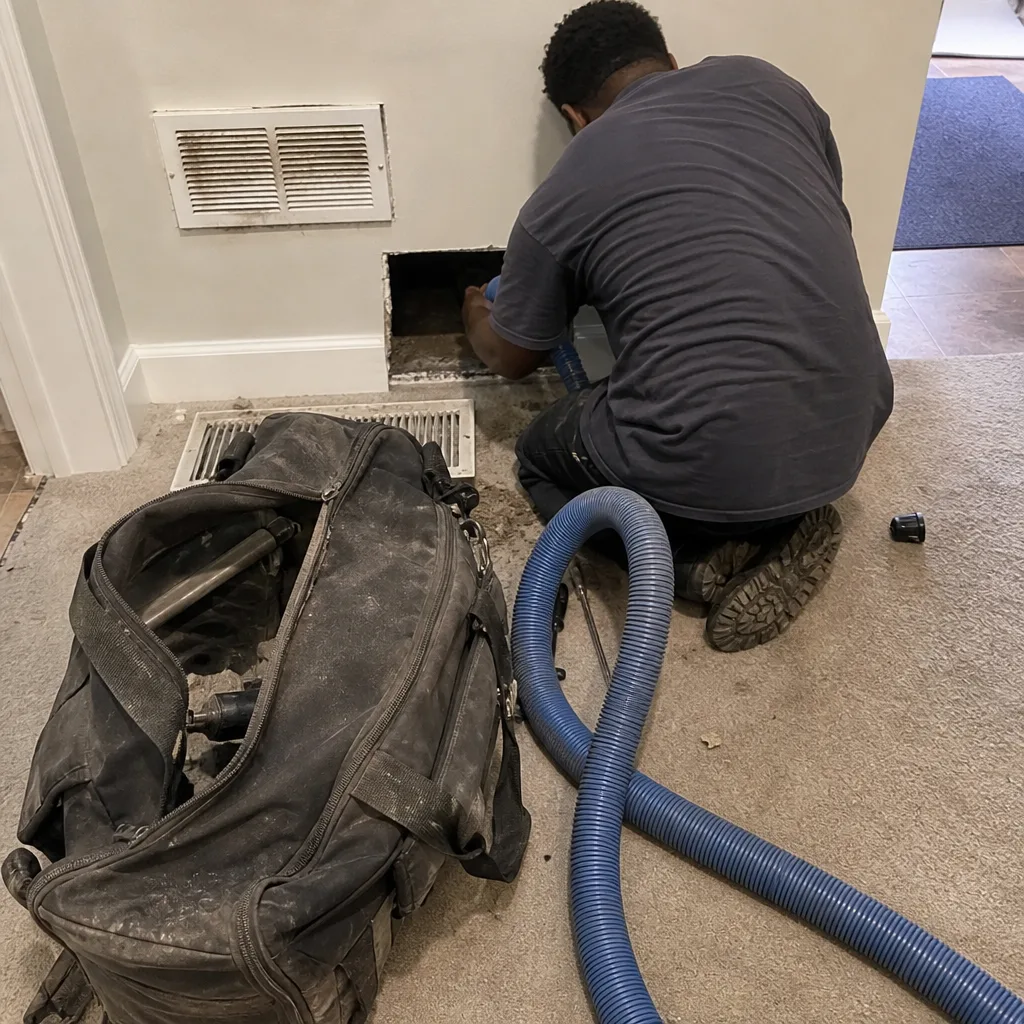
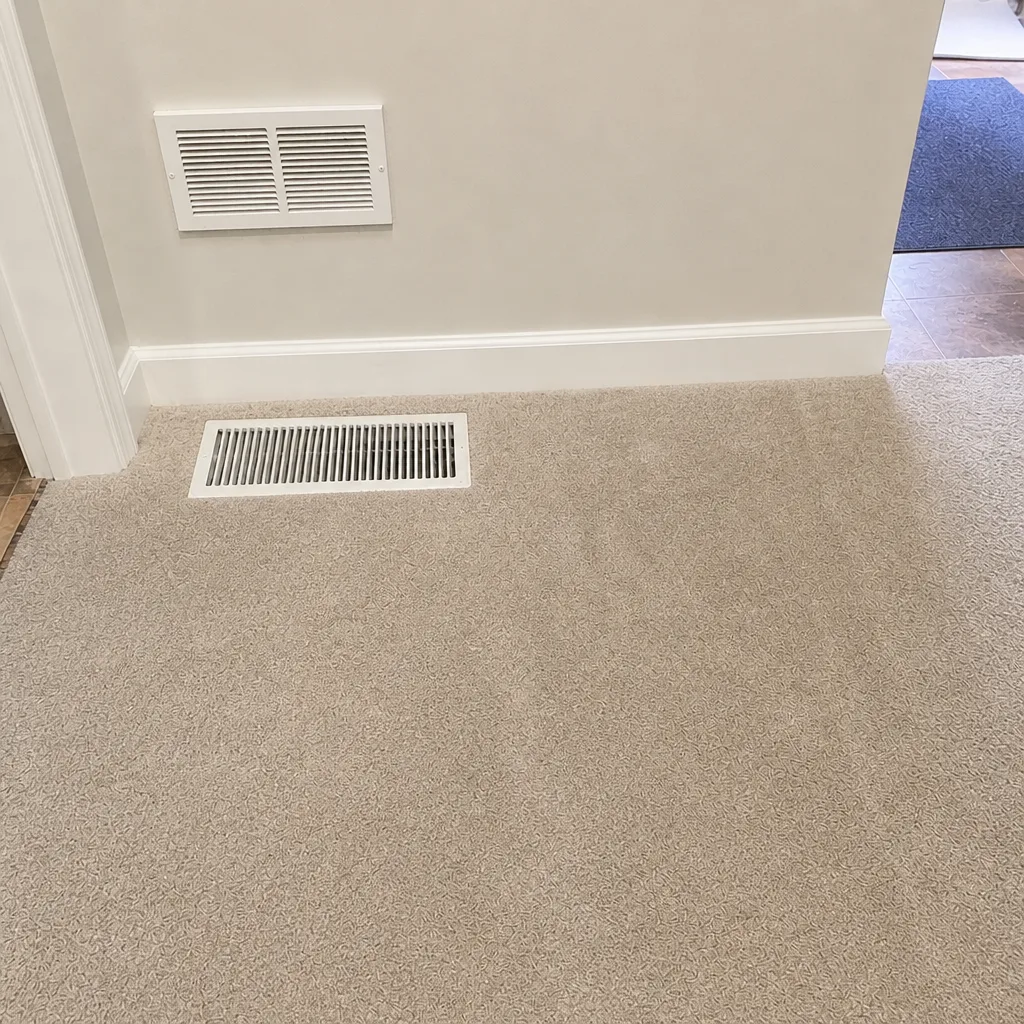
Whole-system duct and dryer vent check with before-and-after photos - you see exactly what came out of your vents
That "$99 whole-house special" is a bait ad - the real number appears once they are in your hallway, or the "clean" is a shop-vac at the register. We photograph the inside of your ducts before and after instead.
Seasonal Air Duct Cleaning Care for Richmond: Year-Round Homeowner’s Guide
Most homeowners treat duct cleaning as a once-every-few-years decision made on a whim or when a coupon shows up. That approach misses what’s actually happening inside the system. Richmond doesn’t have one pollution season that builds up and clears. It has four, each loading your ducts with a different kind of material. Spring drops oak and grass pollen into return air. Summer puts humidity against cold duct surfaces. Fall pushes mold spores off decaying leaves. Winter seals the house tight and concentrates everything you generate indoors. This guide maps each season, explains what accumulates, and shows how to time professional service around those cycles instead of guessing at a month.
Quick Answer
The best time to schedule air duct cleaning in Richmond is late fall or early winter, after pollen and leaf debris have settled but before the heating season pushes concentrated indoor air through the system for months. Homes with allergy concerns often benefit from a second spring cleaning. Timing matters more than frequency: cleaning at the right points in Richmond’s seasonal cycle removes more contamination per service than cleaning on an arbitrary calendar.
Styles & brands we work with
- Whole-home duct cleaning
- Dryer vent cleaning
- Camera inspection
- Sanitizing & deodorizing
Table of Contents
- Why Richmond’s Four Seasons Each Affect Your Ducts Differently
- Spring: Pollen Loading and What Filters Can’t Stop
- Summer: Humidity, Condensation, and Microbial Growth in Flex Duct
- Fall: Spore Season and the October Boot Inspection
- Winter: Tight Envelopes and Concentrated Indoor Particulates
- How to Time a Professional Cleaning Around the Cycle
- Duct Repair Signals That Show Up Seasonally
- Common Mistakes to Avoid
- When to Call a Professional
- Frequently Asked Questions
Why Richmond’s Four Seasons Each Affect Your Ducts Differently
Richmond sits in a climate zone where every season produces a distinct contamination event. That’s not marketing language. It’s a description of what the air around your house does over twelve months.
Spring brings one of the heaviest tree pollen loads in the Mid-Atlantic. Oak is the dominant species across the region, and grass pollen follows close behind. Both are fine enough to travel through a standard return grille and fine enough to pass through many furnace filters. What lands on the duct surfaces stays there unless it’s physically removed.
Summer pushes humidity into ranges that interact with cooled metal and flex duct surfaces. When warm moist return air meets a cold supply plenum or an uninsulated section of flex, condensation forms. Wet surfaces inside a dark, still-air duct are ideal conditions for microbial growth.
Fall reverses the cycle. As leaves decay across the region, mold spore counts in outdoor air rise. Those spores enter the system the same way pollen did in spring, and they settle in the same places.
Winter changes the mechanism entirely. Homeowners seal windows, run the heat, and spend more hours indoors. Particulates generated inside the home – cooking aerosols, dust from carpet and upholstery, shed skin cells – concentrate because there’s less fresh air exchange. That concentration drives duct surface buildup faster than people expect.
Richmond’s housing stock adds a wrinkle. Older neighborhoods like the Fan, Church Hill, and Ginter Park have homes with original duct systems, often retrofitted during renovations. Duct surfaces in those homes see decades of layered accumulation, and the seasonal cycles compound on top of it. Newer construction in Short Pump and Midlothian typically has tighter envelopes, which means the winter concentration problem shows up faster.
Understanding which season is loading your ducts tells you when cleaning actually pays off. That’s the framework this guide builds on.
Spring: Pollen Loading and What Filters Can’t Stop
Richmond’s spring pollen season is real, and it’s heavy. Oak pollen peaks first, followed by grasses well into the early summer. Every open window, every door swing, and every return air draw pulls that pollen into the system. The HVAC filter catches some of it. The rest lands on duct surfaces.
Here’s what most homeowners don’t realize: a furnace filter’s MERV rating tells you what it can trap, but it says nothing about where that trapped material goes. High-MERV filters catch smaller particles, and they also load up faster. When a filter is loaded, air finds other paths. That often means return duct leaks, gaps at boots, or the plenum itself.
Ducts also trap pollen in places a filter never touches:
- Return duct surfaces downstream of the grille
- Boot interiors where the duct meets the floor or ceiling
- Plenum walls where airflow slows
- Flex duct corrugations that act as a settling field
What a MERV rating can and cannot do:
- Can reduce the load entering the air handler if the filter is sized correctly for your system and changed on schedule.
- Can trap pollen particles at the 10-micron range and larger.
- Cannot clean what’s already accumulated on duct surfaces.
- Cannot stop pollen from entering through return leaks, open windows, or gaps around boots.
- Cannot reach flex duct corrugations where fine particles settle.
For homes with allergy concerns, spring is a legitimate second cleaning window. Rotobrush contact cleaning physically lifts what’s accumulated on duct surfaces, and HEPA-grade filtration equipment captures what’s dislodged. We’ve used Abatement Technologies filtration units specifically because the negative-air setup keeps fine pollen and dust from recirculating through the house during cleaning.
Air duct cleaning in the spring works well in Richmond because the cleaning coincides with the season that produces the most visible indoor symptoms – sneezing, scratchy throat, dust on vents. It’s a satisfying time to see results. But spring cleaning isn’t automatic. Homes with older duct systems in Fan or Church Hill might benefit more from a fall cleaning that follows a full summer of moisture exposure.
Summer: Humidity, Condensation, and Microbial Growth in Flex Duct
Richmond’s July humidity is the most consequential summer variable for duct health. Warm, moist return air meeting cold supply surfaces creates condensation. Where that moisture lands inside the duct system, it stays.
The physics matter. Cooled duct surfaces sit well below the dew point of Richmond summer air. Flex duct with damaged or compressed insulation loses its vapor barrier, and condensation forms on the inner surface. That surface stays wet for hours, then dries slowly. Repeat the cycle daily for a summer season and you have a persistent moisture environment inside a dark, still-air space.
That’s the setup for microbial growth. It doesn’t require a flood or a leak. It just requires moisture and food – dust, pollen residue, and skin cells provide the food.
What to watch for during Richmond summers:
- Musty or earthy odor when the system first starts
- Visible condensation on flex duct runs in the attic or crawlspace
- Damp spots where flex duct bends sharply
- Duct surfaces that seem to have dark spotting at low-traffic sections
- Worsening allergy symptoms during cooling season
Environmental remediation contractors use HEPA filtration and negative air pressure specifically because mold spores become airborne easily. We use the same category of Abatement Technologies filtration equipment for the same reason. When duct surfaces that have undergone a summer moisture cycle are disturbed without containment, dislodged spores circulate through living space.
Flex duct repair also matters here. Flex duct that’s kinked, sagging, or has lost its outer jacket is a condensation engine. Cleaning the surfaces without addressing the underlying duct condition means the problem returns with the first cool, humid night. Abatement-grade filtration and correct duct repair are the two parts of summer duct health.
If you’re a property manager overseeing units in Richmond apartments or townhomes, summer is the season to schedule inspection. Cooling season produces the moisture cycles that are invisible until smell or health complaints surface.
Fall: Spore Season and the October Boot Inspection
October is the most overlooked month on Richmond’s duct maintenance calendar. As leaves fall and decay across the region, mold spore counts in outdoor air rise. Those spores enter the system the same way spring pollen did – through returns, open doors, and any duct leak.
Fall is the right time to look at the visible end of the duct system. Grilles and boots are where the duct meets the living space, and they show what the season is doing to the inside of the system. What to check in October:
- Pull each return grille and look at the boot interior. Accumulated dark dust or spotting is worth noting.
- Check supply registers for dust streaks that start at the grille and extend onto the room surface.
- Look at boots in humid rooms – bathroom, kitchen, laundry – because those locations see higher seasonal humidity.
- Note any grille that shows fine, powdery accumulation versus sticky or clumped debris; the two point to different problem sources.
- Test the airflow at each register with a piece of tissue to confirm every run is actually delivering air.
Why October specifically? Two reasons. First, spore counts peak as leaf decay accelerates. Second, the system is still running in cooling mode some days and heating on others, so you’re capturing the system at its most active transition. What you find in October typically reflects what accumulated through spring and summer.
Fall is also the most useful season for professional cleaning in homes where summer moisture exposure is suspected. Cleaning before the heating season starts means the system enters winter with clean surfaces, and the heating season pushes the cleanest possible air through for months. Any duct repair identified in the fall can be completed before winter demand.
Richmond is an oak and pine region, and leaf decay is real work for the outdoor air. The same spores that make October miserable for allergy sufferers are the same spores looking for a place to settle. Grilles and boots are where the system is most exposed. Inspect them.
Winter: Tight Envelopes and Concentrated Indoor Particulates
Winter changes the mechanism of duct contamination in Richmond without changing the amount. When windows stay closed and heat runs for months, airborne particulates generated inside the house concentrate. What was a low-grade background problem in spring becomes a heavier load in January.
Sources of indoor particulates in Richmond winters:
- Cooking aerosols from daily meals
- Dust disturbed by increased time at home
- Shed skin cells and hair from pets
- Fabric fibers from carpet, upholstery, and bedding
- Combustion byproducts from fireplaces and candles
Every one of those particles passes through the return duct eventually. Higher-MERV filters reduce the load, but the same physics applies: what gets past the filter lands on duct surfaces. Cold-snap weeks with heavy heating demand push more air through the system at higher velocity, which drives more deposition on duct walls.
Winter is also when duct leaks matter most. Supply duct leaks in a heated, tight home push conditioned air into an attic or crawlspace that is much colder. That air escapes, and return leaks pull in attic or crawlspace air instead – unfiltered, unheated air. The consequence is a hotter furnace, a colder floor, and duct surfaces seeing air they should never see.
What winter should trigger in a Richmond home:
- Noticeable dust accumulation on surfaces after a few days of cleaning
- Static shocks that seem worse than usual
- Dry air symptoms despite a whole-home humidifier
- Uneven heating between floors
- A persistent dusty odor when the system starts
If you have a Honeywell or Aprilaire whole-home humidifier, winter is the season those systems are working hardest. Duct repairs that seal the envelope, plus clean surfaces upstream, are what make the humidifier effective. Without that, the humidifier is adding moisture to a leaky system that lets it escape.
How to Time a Professional Cleaning Around the Cycle
The single highest-value decision in Richmond duct maintenance is timing. Cleaning at the right moments removes more contamination per service than cleaning on an arbitrary schedule. Here’s the sequenced approach we recommend:
The Seasonal Cleaning Sequence
- Early spring (late March): Inspect and plan. Note pollen-season symptoms and grille conditions. Is a spring cleaning justified, or is the accumulated load light enough to defer to fall?
- Late spring (May): If spring cleaning is happening, this is the window. Pollen load is at its peak, and cleaning after peak season captures what’s accumulated through the bloom.
- Summer (June to August): Inspection window. Note musty odors, moisture issues in flex duct runs, and cooling-season health symptoms. If moisture damage is suspected, get a professional assessment rather than cleaning.
- Early fall (October): The boot and grille inspection. Look at return boots and supply registers. This is also the window to schedule a fall cleaning if summer moisture exposure is a concern.
- Late fall (November): The main cleaning window. Cleaning before heating season starts gives the home the cleanest surfaces for the months when indoor air concentrates.
- Winter (December to February): Monitor and repair. The system is working hardest. Duct repairs and sealing done now prevent leaks from driving expensive heating loses for the rest of the season.
The most common mistake is defaulting to “once every three years” or an arbitrary month. Both ignore what’s actually happening in your specific Richmond home. A home in a pine-heavy area, an older house with original ducts, or a residence with pets and carpet needs a different interval than a newer, tighter home with hard floors.
If you’re unsure what interval applies to your home, a professional inspection is a reasonable starting point. Rutherford Air Duct Cleaning offers free estimates in Richmond – call (855) 606-6205 and we’ll help you build a realistic schedule.
Duct Repair Signals That Show Up Seasonally
Cleaning is only half of duct health. Duct repair is the other half, and certain seasonal signs point to repair needs that cleaning cannot solve.
Common seasonal repair signals:
- Winter: Cold spots near supply registers, high heating bills, or a furnace running longer than expected – all signs of supply leaks in unconditioned space.
- Summer: Condensation on flex duct, musty odor when cooling starts, or sweating at duct connections – signs of missing or damaged vapor barriers and insulation.
- Fall: Airflow differences between rooms that used to be balanced, or register grilles with visibly dusty airflow concentrated on one side.
- Spring: Return air pulling dust from wall cavities or attic spaces, visible at grilles as continuous fine debris coming through even after grille cleaning.
Professional-grade inspection looks at duct connections, sock and boot integrity, flex duct condition, and pressure balance between supply and return. Where cleaning removes surface contamination, repair addresses the root cause that allowed contamination to accumulate faster than normal.
The work is worth doing properly. Poorly sealed duct systems waste energy year-round and amplify every seasonal problem we’ve described. Repair is the piece most homeowners skip when they should be scheduling both at once.
Common Mistakes to Avoid
- Cleaning on a fixed schedule instead of a seasonal cycle. A three-year interval sounds tidy, but it misses Richmond’s seasonal loading patterns entirely. A fall cleaning after a heavy summer, then a spring cleaning after peak pollen, removes more contamination than three yearly cleanings timed at random.
- Relying on high-MERV filters alone. A high-MERV filter traps particles but does nothing to clean duct surfaces. Worse, a filter that’s too restrictive for the system can starve the air handler and push air through duct leaks. The filter is part of the system, not a substitute for cleaning it.
- Ignoring summer moisture signals. A musty odor in August is not a small inconvenience. It’s an indicator that moisture is sitting on duct surfaces. Richmond humidity turns that moisture into a growth environment within a season. Get it addressed before fall.
- Skipping the October boot inspection. Boots and grilles are where seasonal contamination shows first. A quick October look at return boots gives you real information about what the summer did, and it’s free.
- Treating duct repair as optional. Cleaning a leaky duct system is like mopping under an open faucet. If the ducts are leaking – and in Richmond’s older homes, they often are – repairs come first or alongside cleaning, not later.
- Booking the cheapest quote without checking equipment. Entry-level shop vacuums and generalist setups can disturb accumulated contamination without containing it. The right equipment uses HEPA filtration and negative-air containment to keep the dislodged material out of your living space.
- Forgetting the dryer vent. Dryer vent cleaning is separate from duct cleaning but critical in the same seasonal sense. Lint buildup in the dryer vent is a fire risk, and it accelerates during heavy winter use. Fall is a sensible time to have both done.
When to Call a Professional
Call a professional when visible signals point to accumulated contamination that cleaning can address – dark dust streaks at grilles, a musty odor when the system starts, visible debris inside return boots, or HVAC inspection flags. Call when allergy or asthma symptoms worsen during cooling season, or when a recent renovation left drywall dust in the air that likely coated duct surfaces. Call for a professional inspection if you suspect summer moisture damage, since that requires diagnostic equipment, not just cleaning. And call if you’re unsure what interval your home needs – the seasonal cycle depends on the house, not the calendar.
Rutherford Air Duct Cleaning offers free estimates in Richmond – call (855) 606-6205. We use professional-grade Rotobrush and Nikro equipment with Abatement Technologies filtration, and we can diagnose and repair duct problems alongside cleaning. Our technicians have up to 9 years of experience. We answer 24/7. Fast dispatch from 7am to 7pm, Sunday through Friday.
Frequently Asked Questions
Most Richmond homes benefit from professional cleaning every two to four years, with the exact interval driven by the home’s construction, pets, occupants, and the seasonal loading described in this guide. Homes with allergy concerns or heavy pollen exposure sometimes clean more frequently, while newer tight homes with hard floors can often extend the interval. The right interval follows the home, not the calendar. Call (855) 606-6205 for a free estimate tailored to your home.
Late fall is generally the best single window because it sits after peak pollen and leaf-spore season and before the heating season pushes concentrated indoor air through the system. Homes with strong allergy symptoms often also schedule a spring cleaning in May. The most valuable approach is to match the cleaning to what your specific home accumulated, which is why an inspection is more useful than a default month. Call (855) 606-6205 for an exact quote – estimates are free.
Dirty ducts can worsen seasonal allergy symptoms because pollen, dust, and spores that settle on duct surfaces become airborne again when the system runs. Richmond’s oak and grass pollen season is heavy enough that filter changes alone rarely prevent duct-surface accumulation. Cleaning removes the accumulation at the source. If fall mold or winter dust symptoms are also an issue, a seasonal cleaning cycle is more effective than a one-time service. Call (855) 606-6205 for a free estimate.
Whole-system air duct cleaning in Richmond typically costs a few hundred dollars for a standard home, with the exact amount set per job by a written estimate once we assess the size and condition of your duct system. We don’t quote per-vent pricing, because that model hides the actual work. Every job is quoted at one flat price for the whole system before any work begins, and you get before-and-after photos of your own ducts. Call (855) 606-6205 for an exact quote – estimates are free.
The cheapest quotes usually reflect entry-level equipment, no containment, or per-vent pricing that grows once work starts. Professional-grade setups from Rotobrush and Nikro, combined with Abatement Technologies negative-air filtration, cost more to run – and they remove more. A cheaper quote often means you’re paying for a surface pass, not a cleaning. Ask what equipment will be used and whether the entire system is included in the flat price before you book. Call (855) 606-6205 for a competitive quote with the equipment specified up front.
Ask for before-and-after photos of your own duct surfaces, not stock images. A professional cleaning should also include visible evidence at the grilles, a check that every supply and return run has been cleaned, and a written summary of any repair issues found. We provide before-and-after photos of your system as part of every cleaning. Call (855) 606-6205 to schedule a free estimate.
The Bottom Line
Richmond’s four seasons each load the duct system differently, and that changes the right answer to “when should I clean my ducts?” Late fall and late spring are the most useful cleaning windows in most homes. October is the best inspection month. Summer is the season to watch for moisture damage. Winter is the season to address duct leaks. Timing a cleaning around these cycles removes more contamination per service than a fixed schedule, and pairing cleaning with proper duct repair keeps the system working as designed between cleanings. If you’re unsure where your home fits, start with a free estimate and build a plan from there.
Ready to schedule? Call (855) 606-6205. We answer 24/7. Fast dispatch from 7am to 7pm, Sunday through Friday. Every job is one flat price per system agreed before work starts, and you’ll get before-and-after photos of your own ducts. If you want to read more about our approach first, visit Rutherford Air Duct Cleaning, or dig into air duct cleaning and dryer vent cleaning for the detailed service pages.
Written by the team at Rutherford Air Duct Cleaning.
See the difference
 Before
 After
 Before
 After
 Before
 After